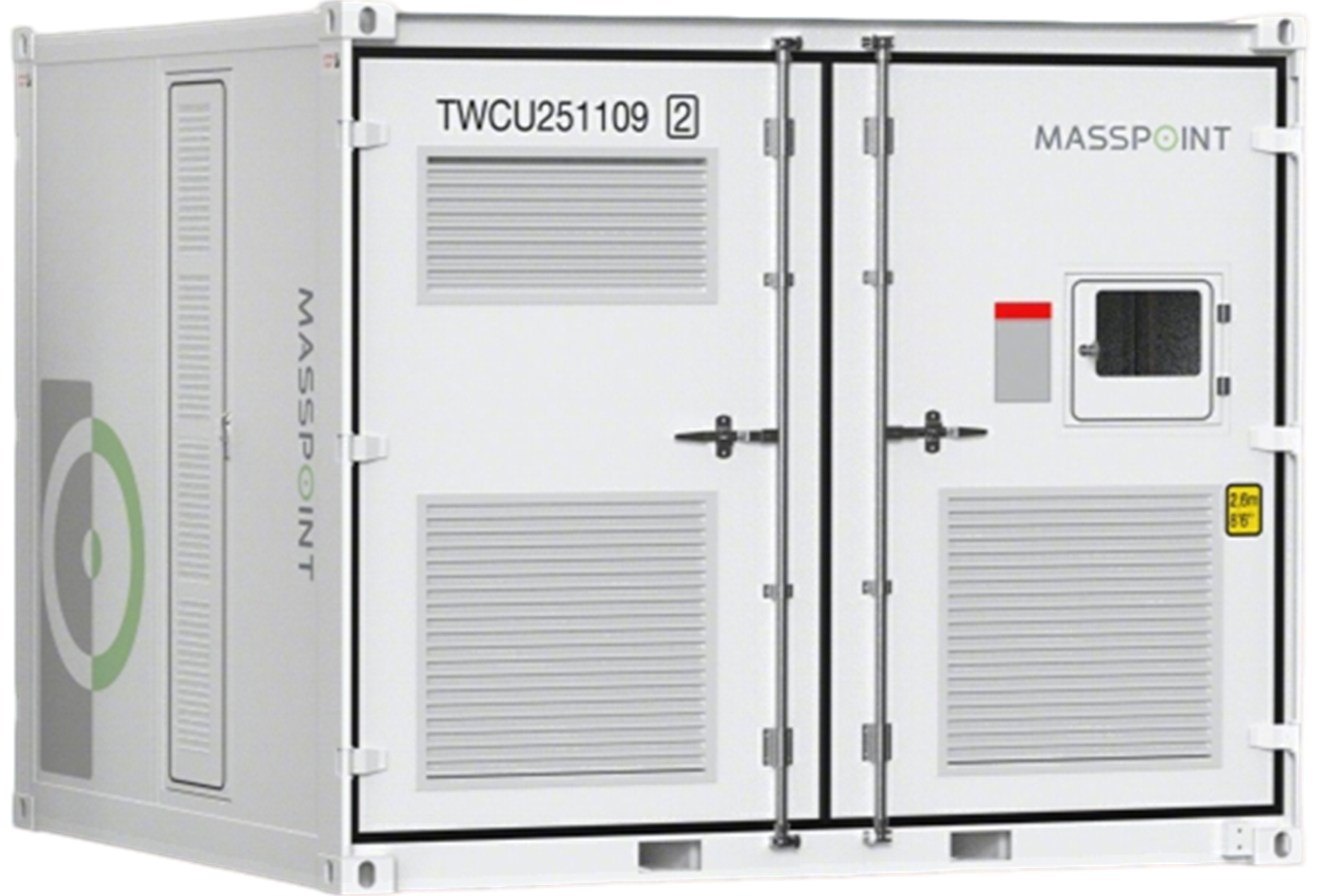
How to Choose a Microgrid Battery Storage System?
Picking out the right microgrid battery storage system isn't just about flipping through product brochures — it all starts with understanding the site itself. Whether it’s a remote clinic, a factory, or a university, each one needs a different approach. Plus, their energy needs don’t stay the same — they fluctuate hour by hour, change with the seasons, and depend on how things are running at that moment.
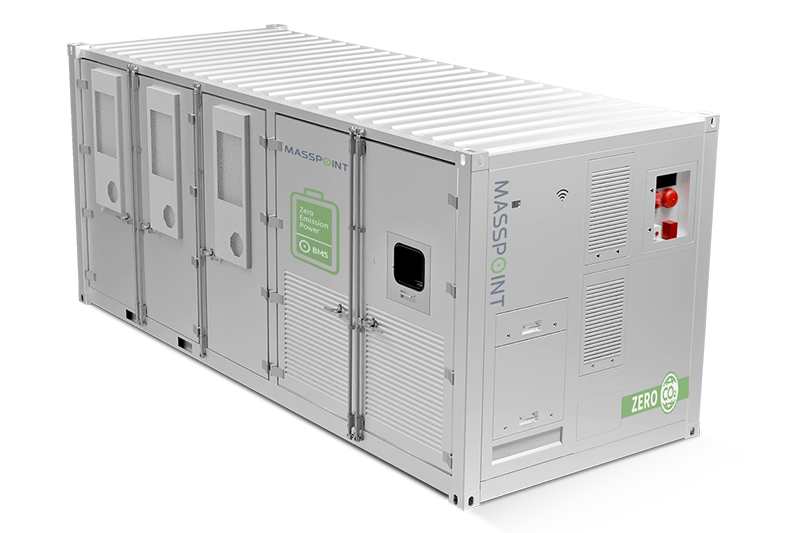
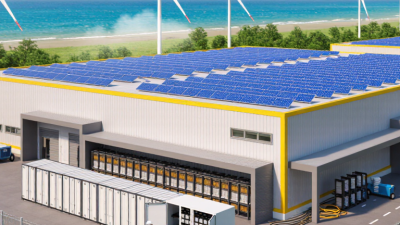
Imre Gyuk, who used to manage the U.S. Department of Energy’s Energy Storage Program, once said, ‘Energy storage is the key to unlocking the full potential of renewable energy.’ And honestly, that still rings true. The idea is to use storage to soak up extra solar energy when the sun’s shining, back up critical stuff like refrigeration and servers, and cut down on reliance on an unstable grid. When you team up a battery with a microgrid solar system — like the one available [here](https://www.masspointenergy.com/microgrid-solar-system) — it needs to handle cloudy days, evening demands, and unexpected outages without breaking a sweat.
Start by taking a close look at the load profile — ideally in chunks of 15 minutes or so. Pay attention to vital equipment: fridges, pumps, servers, motors — basically anything sensitive. Next, compare different battery options like lithium iron phosphate, nickel manganese cobalt, flow batteries, or newer tech. Each comes with its own pros and cons — safety, energy density, cycle life, maintenance, and price all come into play. For example, lithium iron phosphate batteries are pretty stable thermally, but they’re not always the best fit for every situation.
Also, think about how long you need the backup. A battery built for just two hours isn’t likely to keep things running overnight. Inverters matter too — they need to support islanding, black start capabilities, handling power quality issues, and making sure transitions go smoothly. And don’t forget about energy management software — it’s what keeps your battery, solar panels, generator, and utility connection working together seamlessly.
Sometimes, a low initial price might seem tempting — but beware. Always check what guarantees come with degradation, what’s covered in the warranty, how much it’ll cost to replace parts, and how quick the support is when things go wrong. Big names like Fluence, Tesla, and Schneider Electric do offer solid options, but every project has its unique conditions that affect how well things perform.
Here’s the truth — no system is perfect. That’s kind of the ugly reality. The best approach is to have a solid plan, outline your assumptions, test out worst-case scenarios, and leave some room for future upgrades. Ultimately, the best microgrid battery storage system is the one that keeps working reliably, even when your forecasts aren’t quite right.
Read more »