Leave Your Message
您的浏览器版本不支持canvas
0%

Picking out the best Solar Off Grid System manufacturer in China isn't just about comparing prices in a catalog. You’ve got remote clinics, farms, or telecom sites that need steady power, especially when those clouds hang around for days. The system has to be well-balanced—think solar panels, batteries, inverters, protection devices, and something local service can keep an eye on. Those tiny details really matter; for example, a loose terminal could stop a water pump cold.

And, honestly, the industry data makes it clear why you shouldn’t just go for the cheapest option. The International Energy Agency said that global renewable capacity jumped about 510 GW in 2023, and solar PV made up most of that. IRENA’s 2024 stats show global renewable capacity went over 3,870 GW at the end of last year. Yet, at the same time, the World Bank’s SDG 7 report noted around 685 million folks still don’t have reliable electricity—that’s a huge market demanding dependable off-grid power, not just cheap equipment.

So, this guide is here to help you spot a reliable Chinese supplier for a Solar Off Grid System. We’ll look at their engineering know-how, how safe their batteries are, inverter performance, environmental testing standards, warranty details, and support for spare parts. Good manufacturers should also meet IEC standards and provide clear test reports you can trace back. Visiting factories, testing samples yourself, and checking on past projects can really give you peace of mind. On the flip side, a fancy website doesn’t tell the whole story, and rankings might even be misleading. Even experienced suppliers can sometimes overlook things like battery aging in hot climates or delays in transportation. So, the best choice will depend heavily on your site conditions, how you use power, technical support, and total costs over time. China has a deep manufacturing base, but quality can vary a lot. That’s why thorough checks are still super important.
China Best Solar Off Grid System Manufacturer?

Definition of a Solar Off-Grid System

A solar off-grid system generates and stores electricity without relying on a public utility grid. It serves homes, cabins, farms, and remote facilities where grid access is unavailable or unreliable. Solar panels produce power during daylight. A charge controller manages battery charging. An inverter converts stored direct current into usable alternating current.

A typical system includes panels, batteries, an inverter, protection devices, mounting structures, and monitoring equipment. Battery capacity matters because cloudy weather can reduce solar production for several days. For example, a small Mini Off Grid Solar System may power lights, a router, a fan, and phone chargers. It may not support an electric heater or large pump continuously. Load calculations must come first.

Real installations often reveal overlooked details. Cable distance can create voltage loss. Dust on panels can lower output. Batteries also need suitable temperature control and ventilation, depending on their chemistry. A reliable design records daily energy use, peak power demand, local sunlight, and backup requirements. Oversizing every component wastes money, while undersizing creates frequent power shortages. This balance is not always obvious. Periodic inspection helps confirm whether the system still matches actual household habits. A careful installer should explain these limits clearly and provide test records, safety guidance, and maintenance instructions.

Key Components of an Off-Grid Solar System

China Best Solar Off Grid System Manufacturer?

An Off Grid Solar System Design begins with an honest load assessment. List every appliance, its wattage, and daily operating hours. Include startup surges from pumps, refrigerators, and power tools. A small spreadsheet can prevent expensive oversizing.

The solar array produces energy, while the charge controller regulates battery charging. The battery bank stores power for cloudy afternoons and nighttime use. An inverter converts stored direct current into household alternating current.

Cables, fuses, disconnects, mounting structures, and grounding equipment complete the system. Each component must match voltage, current, temperature, and expected duty cycles.

I have seen systems fail because installers focused on panel capacity and ignored cable losses. That mistake is easy to repeat.

Tips: Keep batteries in a dry, ventilated area. Leave space for inspection. Choose lithium batteries only after checking temperature limits and protection features. Lead-acid batteries may suit simpler budgets, but they need regular maintenance. Add monitoring equipment, then compare real production with your design estimate. Weather data is useful, but never perfect. A conservative design usually performs better during long cloudy periods. Test emergency shutdown procedures before daily operation. Safety deserves more attention than appearance.

How Solar Off-Grid Systems Work

China Best Solar Off Grid System Manufacturer?

How Solar Off-Grid Systems Work

An off-grid solar system produces and stores electricity without relying on a utility grid. Solar panels convert sunlight into direct current electricity. A charge controller regulates this energy before it reaches the battery bank. This protects the batteries from excessive charging and deep discharge.

During daylight, the system powers household appliances while charging the batteries. At night, stored energy flows through an inverter. The inverter changes direct current into alternating current for lights, refrigerators, pumps, and other standard equipment. It sounds simple, but it is not. Every component must match the expected load.

A practical design begins with daily energy use, not panel size alone. A small rural home may need 3–5 kilowatt-hours each day. Cloudy weather requires extra battery capacity or backup generation. Battery temperature, cable distance, and seasonal sunlight also affect performance. One common mistake is underestimating evening demand. A water pump starting suddenly can consume far more power than its running rating.

Reliable systems include fuses, disconnects, grounding, and clear monitoring. Installation should follow local electrical requirements and manufacturer instructions. Experienced technicians also check ventilation, battery placement, and moisture risks. Performance can still disappoint when users leave high-power heaters running overnight. That limitation deserves honest attention. A well-designed system is not limitless; it is carefully balanced around real habits, local weather, and responsible maintenance.

How Solar Off-Grid Systems Work: Typical Daily Energy Balance

A representative 5 kW off-grid solar system on a clear day, showing how energy moves between solar generation, household loads, battery storage, and system losses.

In this example, the solar array produces 18 kWh during daylight hours. About 12 kWh supplies household appliances, 4 kWh is stored in the battery for night-time or low-sun operation, and approximately 2 kWh is lost through inverter, wiring, and battery conversion processes. Actual results vary with weather, location, system size, battery chemistry, and electricity demand.

Main Types of Off-Grid Solar Solutions in China

China Best Solar Off Grid System Manufacturer?

Main Types of Off-Grid Solar Solutions in China

China’s off-grid market serves homes, farms, islands, and remote work sites. A practical design starts with the load, not the panel count. Household systems usually combine solar modules, batteries, an inverter, and protection devices. They can operate lights, refrigerators, water pumps, and small tools. Daily energy records matter more than optimistic estimates. Small systems often use lithium batteries, while budget projects may select lead-acid storage.

Agricultural solutions commonly power irrigation pumps, greenhouse ventilation, and electric fencing. Solar pumping systems can store water instead of storing all electricity. This approach reduces battery size and maintenance. Remote telecom and monitoring stations need stable power throughout the year. Their systems often include solar panels, battery banks, controllers, and backup generators. Larger villages may use a Complete Off Grid Solar System with distribution lines and shared storage.

Portable solar units support temporary construction areas, emergency communication, and outdoor operations. They usually include foldable panels, compact batteries, and integrated inverters. Coastal humidity, dust, winter temperatures, and transport conditions require careful equipment selection. Certified installers should check grounding, cable sizing, battery ventilation, and local electrical requirements. A perfect design rarely exists. Some projects still underestimate cloudy-week demand or future appliance growth. That mistake can force expensive upgrades. A reliable supplier should provide test records, clear warranties, replacement parts, and realistic performance data.

Criteria for Choosing a Chinese Solar System Manufacturer

China Best Solar Off Grid System Manufacturer?

Criteria for Choosing a Chinese Solar System Manufacturer

Choosing a Chinese manufacturer requires more than comparing panel prices. Start with your energy needs, including daily loads, seasonal changes, and backup hours. A reliable supplier should calculate these details before recommending an Off Grid Solar Electric System. Ask for load studies, battery sizing methods, inverter specifications, and complete wiring diagrams. Clear technical documents show stronger engineering discipline.

Visit the factory remotely or in person, if possible. Check assembly areas, testing equipment, quality records, and component traceability. Request certificates from recognized testing laboratories, not only printed claims. Review warranty terms carefully, including battery cycles, replacement procedures, and response times. Speak with several existing customers about installation support and actual system performance. Experience matters. Still, even experienced suppliers can miss local climate conditions or underestimate future electricity use.

Tips: Ask who performs final system testing. Confirm spare-part availability. Request a written production schedule. Compare usable battery capacity, not only battery size. A very low quote may conceal weaker protection devices or limited after-sales service. That deserves reflection. Evaluate communication during technical discussions, because unclear answers often become costly problems after delivery. A dependable manufacturer will explain limitations, identify risks, and adjust the design when your assumptions appear incomplete.

Manufacturing Standards and Quality Evaluation

China Best Solar Off Grid System Manufacturer? Manufacturing Standards and Quality Evaluation

A reliable off-grid system begins with controlled manufacturing, not attractive specifications. The IEA PVPS Trends 2024 report recorded more than 400 GW of global solar additions in 2023. This rapid expansion increases pressure on factories to prove consistency. Buyers should request traceable material records, calibrated test equipment, and documented inspection points. ISO 9001 supports process control, but it does not prove product performance by itself.

For solar modules, IEC 61215 addresses design qualification, while IEC 61730 focuses on safety. Inverters should be evaluated against IEC 62109 and relevant grid-independent operating requirements. Battery packs need appropriate protection tests, including overcharge, short-circuit, and thermal-abuse assessments. A serious factory should provide serial-level records, insulation tests, load tests, and burn-in results. Ask for the actual test report.

Numbers matter.

NREL field research commonly places median PV module degradation near 0.5% annually. Therefore, a manufacturer promising zero degradation deserves careful questioning. For an off-grid system, quality evaluation must also examine cold-start performance, battery temperature control, low-voltage protection, and standby consumption. Factory acceptance testing should reproduce real conditions: cloudy charging, sudden motor loads, and repeated night cycles. I have seen systems pass a short demonstration yet fail after several deep discharges. That gap is easy to miss. Independent sampling, warranty response records, and spare-parts availability reveal more than a polished factory tour.

Installation, Maintenance, and After-Sales Support

Choosing the best China solar off-grid system manufacturer requires more than comparing panel prices. Installation quality often determines real-world performance. A professional team should assess sunlight, roof strength, cable routes, daily energy use, and local weather before delivery. They should also size the battery for evening loads and several cloudy days.

During installation, technicians should label every cable and protect connections from moisture. The inverter needs clear ventilation, while batteries require a clean, stable, and accessible location. Proper grounding matters. So does testing. Installers should record voltage readings, charging behavior, protection settings, and system output before handover. A practical training session helps users understand alarms, battery limits, and safe shutdown procedures.

Maintenance should include monthly visual checks and periodic electrical inspections. Dust, loose terminals, unusual noise, or declining battery capacity can reveal problems early. Remote monitoring is useful, but it cannot replace physical inspection. After-sales support should provide reachable technicians, clear warranty terms, spare-part availability, and response times based on service records. Good manufacturers keep installation drawings and replacement history. This builds accountability.

Some projects still expose weaknesses. Load estimates may change, and users may add appliances without notice. A system that worked well last year can become undersized. Honest support teams review these changes instead of blaming the customer. They adjust settings carefully and explain the cost before any repair begins. Reliability comes from repeated checks, not confident promises.

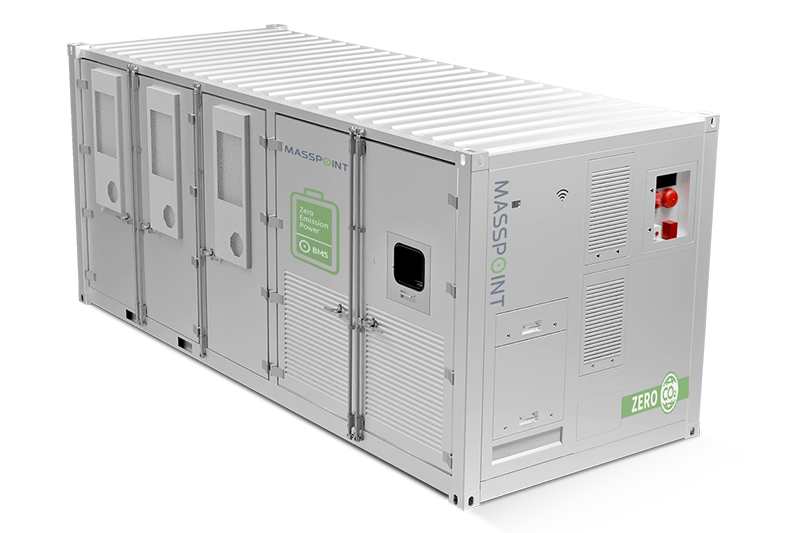
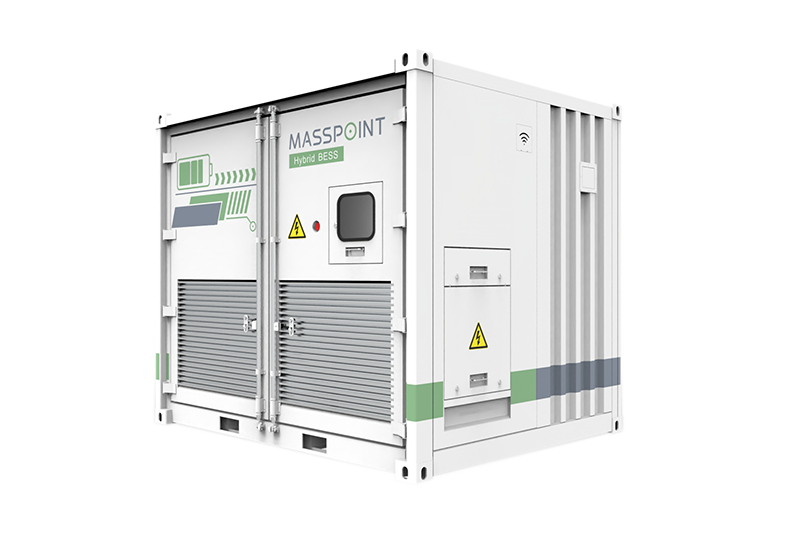
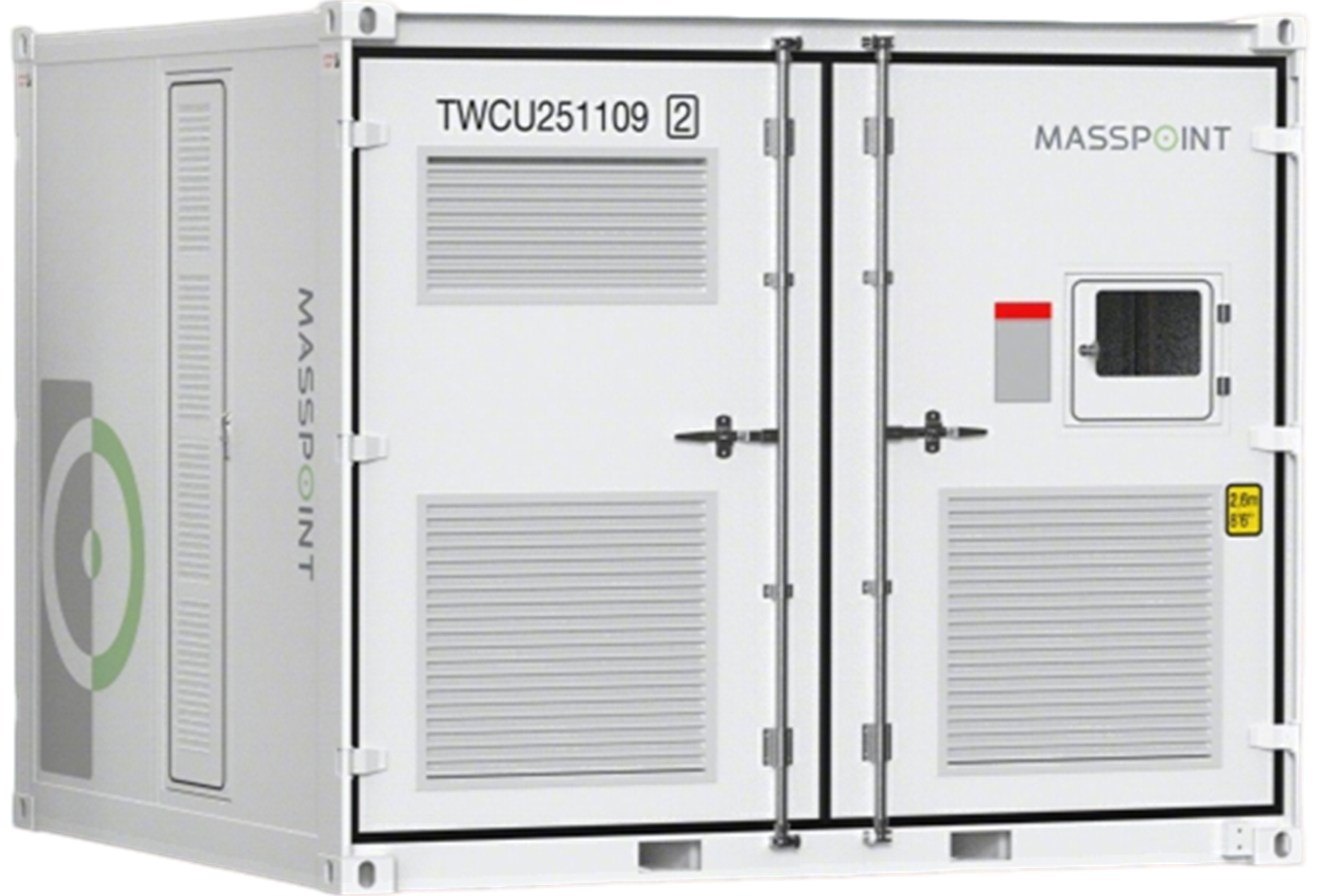
Hexa Battery Energy Storage System: Flexible Power Solutions for Homes, Businesses, and Industry

The Hexa Battery Energy Storage System offers flexible power solutions for homes, businesses, and industrial facilities that require reliable and efficient energy management. Its modular design allows users to configure storage capacity according to changing power demands, making it suitable for residential backup, commercial operations, construction projects, and remote sites. By storing electricity and releasing it when needed, the system can help reduce dependence on diesel generators, lower fuel consumption, and support quieter working environments.

Built for demanding conditions, the Hexa BESS Series can operate alongside generators or connect with local power grids to maintain a stable electricity supply. It is designed to support heavy machinery, temporary construction facilities, communication equipment, and other essential services where interruptions may affect productivity or safety. Quick deployment and scalable battery modules enable businesses to expand their energy capacity without replacing the entire system.

Intelligent remote monitoring and control functions make daily operation more convenient. Users can track power output, battery status, energy consumption, and system performance from a distance, helping improve maintenance planning and operational efficiency. Manufactured by experienced suppliers and factories in China, the system provides a practical approach to cleaner, quieter, and more adaptable power management for homes, businesses, and industrial applications.

FAQS

What are the main components of an off-grid solar system?

The system includes solar panels, a charge controller, batteries, and an inverter. Cables, fuses, disconnects, mounting parts, and grounding equipment are also essential. Every component must match voltage, current, temperature, and duty-cycle requirements.

How should I estimate the required system size?

List each appliance, its wattage, and daily operating hours. Include startup surges from refrigerators, pumps, and power tools. A simple spreadsheet can reduce costly oversizing.

Why do cable specifications matter?

Undersized cables create energy losses and may reduce system performance. Match cable size with current, distance, voltage, and temperature. Panel capacity alone does not determine reliability.

Where should batteries be installed?

Keep batteries in a dry, ventilated, and accessible area. Leave room for inspection and maintenance. Check temperature limits and protection features before selecting lithium batteries.

Are lead-acid batteries suitable for off-grid systems?

They may suit simpler budgets and smaller projects. However, they require regular maintenance and careful monitoring. The cheaper option is not always easier.

What should installers check before delivery?

They should assess sunlight, roof strength, cable routes, weather, and daily energy use. Battery capacity should cover evening demand and several cloudy days. Real conditions can challenge a neat design.

What testing should happen before system handover?

Technicians should label cables and protect connections from moisture. They should record voltage, charging behavior, protection settings, and output. Emergency shutdown procedures must be tested before daily use.

What maintenance does an off-grid solar system need?

Perform monthly visual checks and periodic electrical inspections. Look for dust, loose terminals, unusual noise, and reduced battery capacity. Remote monitoring helps, but it cannot replace physical inspection.

What should reliable after-sales support provide?

Support should offer reachable technicians, clear warranty terms, spare parts, and documented response times. Installation drawings and replacement records improve accountability. Promises alone are not enough.

Conclusion

A Solar Off Grid System is an independent power solution that generates, stores, and supplies electricity without relying on the public grid. It usually includes solar panels, an inverter, batteries, charge controllers, mounting structures, protection devices, and monitoring equipment. During daylight, the panels produce electricity for immediate use while charging the batteries. Stored energy can then support appliances and essential loads when sunlight is limited or unavailable. In China, common solutions include residential systems, mobile units, agricultural installations, and larger systems for remote commercial or industrial applications.

When selecting a Chinese manufacturer, buyers should evaluate product quality, production capacity, technical expertise, certifications, testing procedures, warranty terms, and customization capabilities. Reliable manufacturing should include strict material inspection, performance testing, safety controls, and compliance with applicable standards. Proper installation requires accurate system sizing, suitable placement, secure wiring, and professional commissioning. Regular maintenance, remote monitoring, battery checks, and timely after-sales support are also essential for long-term reliability, safety, and stable performance.

Sophia

Sophia

Sophia is a dedicated marketing professional with a profound expertise in advanced microgrid solutions. With over 12 years of experience in the power electronics and battery industry, she plays a pivotal role in promoting her company's innovative energy systems. Sophia is passionate about......
Previous China Best Industrial Energy Storage Manufacturers?