Industrial energy storage is really changing the game for how businesses handle their power needs. I mean, according to a report by the International Energy Agency (IEA), we’ll need that capacity to triple by 2040 if we’re serious about moving towards a low-carbon future. It’s a big deal because industries, especially those dealing with crazy fluctuating energy costs and the need for dependable power, are really feeling the pressure to adapt.
Plus, with renewables becoming more popular, the importance of storage solutions just keeps growing. The U.S. Department of Energy even points out that companies using energy storage could end up saving around 30% on their energy bills—that’s a pretty sweet deal. Big players like Tesla and Panasonic are definitely leading the way here. That said, jumping into industrial energy storage isn’t exactly a piece of cake. The upfront costs can be pretty steep, and let’s be honest, the tech can sometimes seem a bit complicated to get your head around.
But even with all those challenges, the perks are pretty clear. Good energy storage can cut down those peak demand charges and also serve as a backup during power outages—which is a lifesaver. As industries move more towards automation and smart tech, having reliable energy storage becomes even more critical. Companies need to rethink how they manage their assets, and it’s also about understanding how this all impacts overall efficiency and sustainability. It’s definitely an exciting shift, even if it comes with some hurdles along the way.

What is Industrial Energy Storage?
Industrial energy storage refers to systems that store energy for later use, especially in industrial settings. These technologies can include batteries, flywheels, and thermal storage systems. They capture excess energy generated during peak production and release it when demand is high. This capability helps stabilize energy supply and supports continuous operations.
In many industries, energy costs are fluctuating. Businesses can save money by using stored energy during peak pricing hours. Energy storage systems allow for more efficient resource management. Companies can reduce their carbon footprint as well. However, initial setup costs can be daunting for some businesses. Evaluating the long-term benefits versus these costs is essential.
Many firms still face challenges in integrating energy storage into existing operations. Workforce training may be necessary to ensure safety and efficiency. Despite these hurdles, the potential savings and sustainability benefits are significant. Embracing energy storage requires an open mindset and a willingness to adapt. This investment can lead to a more resilient and efficient energy strategy. Businesses are encouraged to explore these possibilities.
What is Industrial Energy Storage and How Does it Benefit Businesses?
| Dimension |
Description |
Benefit |
| Energy Density |
The amount of energy stored relative to its volume or mass. |
Allows businesses to maximize space and reduce storage costs. |
| Response Time |
The speed at which the energy storage system can respond to demand changes. |
Enables efficient energy usage during peak demand, lowering costs. |
| Cycle Life |
The number of charge and discharge cycles a storage system can perform before capacity degrades. |
Increases long-term savings as systems require less frequent replacement. |
| Scalability |
The ability to increase storage capacity as business needs grow. |
Facilitates investment flexibility, adapting to future business demands. |
| Environmental Impact |
The influence of energy storage systems on the environment. |
Reduction in carbon footprint through efficient energy use and integration of renewable sources. |
Types of Industrial Energy Storage Systems
Industrial energy storage plays a crucial role in enhancing energy efficiency and cost savings. Various systems, each with unique advantages, address the diverse needs of businesses. Common types of industrial energy storage systems include battery storage, flywheels, and thermal storage. According to a 2022 report by the International Energy Agency, battery storage capacity has been increasing by an annual rate of over 20%, driven by technological advancements and cost reductions.
Battery energy storage systems are popular due to their versatility. They can store excess energy generated during peak production times and be utilized when demand spikes. Flywheel systems offer rapid response times, making them ideal for stabilizing energy grids and providing backup power. Meanwhile, thermal energy storage systems capture heat for later use, which can be particularly advantageous in manufacturing environments where consistent temperatures are crucial.
Improper implementation can result in inefficiencies. Understanding specific energy requirements is essential. Evaluate your facility's grid connection and peak demand patterns to choose the right system. Regular maintenance of chosen systems ensures optimal performance. Collecting data on energy use can guide you in making informed decisions that maximize the benefits of industrial energy storage.
How Industrial Energy Storage Works
Industrial energy storage systems play a crucial role in managing energy consumption. They store excess energy produced during off-peak times. This stored energy is then utilized during peak demand. This mechanism helps balance supply and demand effectively.
The technology typically uses batteries or other storage mediums. These systems convert electrical energy into a storable form. Later, this energy can be released back into the grid or used directly in operations. The efficiency of these systems can vary. Maintaining optimal performance requires regular monitoring.
However, implementing energy storage isn't without challenges. Initial costs can be high, and ongoing maintenance is necessary. Businesses must evaluate their energy needs carefully. A well-planned system can lead to significant savings and increased reliability. The decision should consider future growth and energy trends. Making adjustments can greatly enhance performance and sustainability.
Benefits of Implementing Energy Storage in Businesses
Implementing industrial energy storage offers several key benefits for businesses. According to the U.S. Department of Energy, energy storage systems can reduce energy costs by up to 30%. This reduction is primarily due to peak shaving, where businesses store energy during off-peak hours and use it during peak demand times. The balance of supply and demand helps companies avoid high energy prices.
In addition to cost savings, energy storage enhances grid resilience. The National Renewable Energy Laboratory reports that facilities with energy storage show a 60% improvement in reliability during outages. This reliability is crucial for industries dependent on continuous operations, such as manufacturing and data centers. Furthermore, energy storage supports sustainability goals. By integrating renewable energy sources, companies can reduce their carbon footprint. According to a recent study, 75% of organizations see a positive impact on their sustainability efforts when they adopt energy storage solutions.
However, integrating these systems can present challenges. The initial capital costs may deter some businesses. Additionally, not all companies have the technical expertise to implement these systems effectively. Yet, the long-term financial and environmental benefits frequently justify the investment. Businesses must weigh these factors carefully when considering energy storage solutions.
Cost Savings and Efficiency Improvements
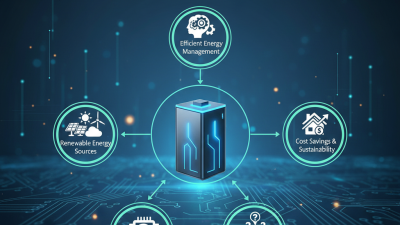
Industrial energy storage systems are revolutionizing how businesses manage energy costs. By storing energy during off-peak hours, companies can reduce expenses significantly. This leads to lower utility bills and improved cash flow. For example, businesses can draw on stored energy during peak times when rates are higher. A practical approach to managing these systems can yield cost savings and operational efficiency.
Consider implementing energy management software to monitor usage patterns. This tool can help identify the best times to store and use energy. Regularly reviewing your energy consumption also allows for adjustments that enhance savings.
Companies should not overlook the potential of integrating renewable sources to further offset costs.
It’s essential to analyze your unique energy needs. Understand that energy storage solutions require an initial investment, but the long-term benefits often outweigh the upfront costs. Reflect on your current energy strategy. Are there areas for improvement? Adopting a smarter energy storage system may lead to enhanced efficiency, but it’s not a one-size-fits-all solution. Each business must tailor its approach to maximize both savings and performance.
Environmental Impact and Sustainability Benefits
Industrial energy storage plays a crucial role in promoting sustainability. It allows businesses to efficiently store energy during off-peak hours. This can reduce waste and minimize emissions. Companies can use renewable sources, like solar and wind. They can store excess energy for later use. This approach not only cuts costs but also enhances environmental responsibility.
The environmental impact of energy storage systems is significant. They help stabilize energy grids, reducing reliance on fossil fuels. This can lead to a decrease in greenhouse gas emissions. By integrating energy storage, industries can manage their energy more effectively. However, challenges remain in technology adoption and infrastructure investment. Many businesses struggle to justify the initial costs, despite long-term savings.
Nonetheless, the benefits of industrial energy storage are clear. It supports regulatory compliance in many regions. As companies strive for greener operations, energy storage stands out as a vital solution. It encourages a more sustainable industrial landscape, pushing businesses to reflect on their energy practices and make necessary improvements.
Future Trends in Industrial Energy Storage Solutions
Future trends in industrial energy storage solutions indicate a robust evolution towards sustainability and efficiency. As businesses face pressure to reduce carbon footprints, advanced storage technologies are leading the way. Renewable energy sources like solar and wind are crucial, but they require effective storage for reliable delivery. Battery systems and thermal storage are becoming increasingly popular due to their versatility. They allow companies to utilize excess energy generated during peak production times.
Many businesses are exploring grid-independent energy solutions. This shift reduces dependency on traditional power sources. Utilizing local energy storage can enhance resilience against utility outages. Emerging technologies, such as liquid air storage and hydrogen-based systems, show promise for large-scale applications. These innovations could substantially lower costs in the long run.
For companies considering energy storage, a few things may help. Understanding energy consumption patterns is essential. This can guide where and how much to invest. Regularly assessing energy needs is crucial; the landscape continues to change. Collaborating with industry experts can unveil tailored solutions to maximize ROI. Engaging in pilot projects may help in testing new technologies without significant risks.
FAQS
: Industrial energy storage systems store energy for later use, especially in industrial settings. They include batteries and thermal storage.
They help save on energy costs by using stored energy during peak pricing hours. This leads to financial savings.
Common systems include battery storage, flywheels, and thermal storage. Each has unique advantages for different needs.
Initial setup costs can be high. Integrating systems into existing operations may require workforce training to ensure efficiency.
Energy storage reduces waste and emissions. It allows the use of renewable sources and enhances environmental responsibility.
Regular maintenance ensures optimal performance. Neglecting this can lead to inefficiencies and reduced effectiveness over time.
Understanding specific energy requirements and peak demand patterns is essential when choosing the right system for your facility.
Yes, flywheel systems offer rapid responses, stabilizing energy grids. This is important for providing backup power when needed.
Improper implementation can result in inefficiencies. Companies must carefully evaluate their options to avoid wasted resources.
Reflecting on long-term benefits versus initial costs is essential. A willingness to adapt is key to successful integration.
Conclusion
Industrial Energy Storage refers to systems designed to capture and store energy for later use, significantly benefiting businesses by enhancing their operational efficiency. Various types of energy storage systems, including batteries, flywheels, and pumped hydro, can effectively manage energy consumption, reduce peak demand charges, and ensure a reliable power supply.
Implementing Industrial Energy Storage can lead to notable cost savings, improved energy efficiency, and a lower carbon footprint. By minimizing reliance on traditional energy sources, businesses can contribute to environmental sustainability while also preparing for future trends that push towards more innovative and integrated energy solutions. As the industrial sector increasingly adopts these technologies, the potential for enhanced performance and sustainability is immense.

 Products
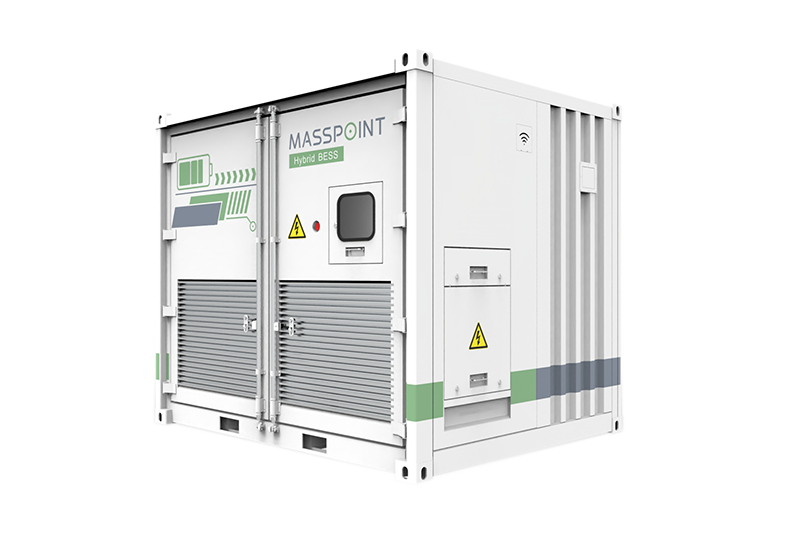
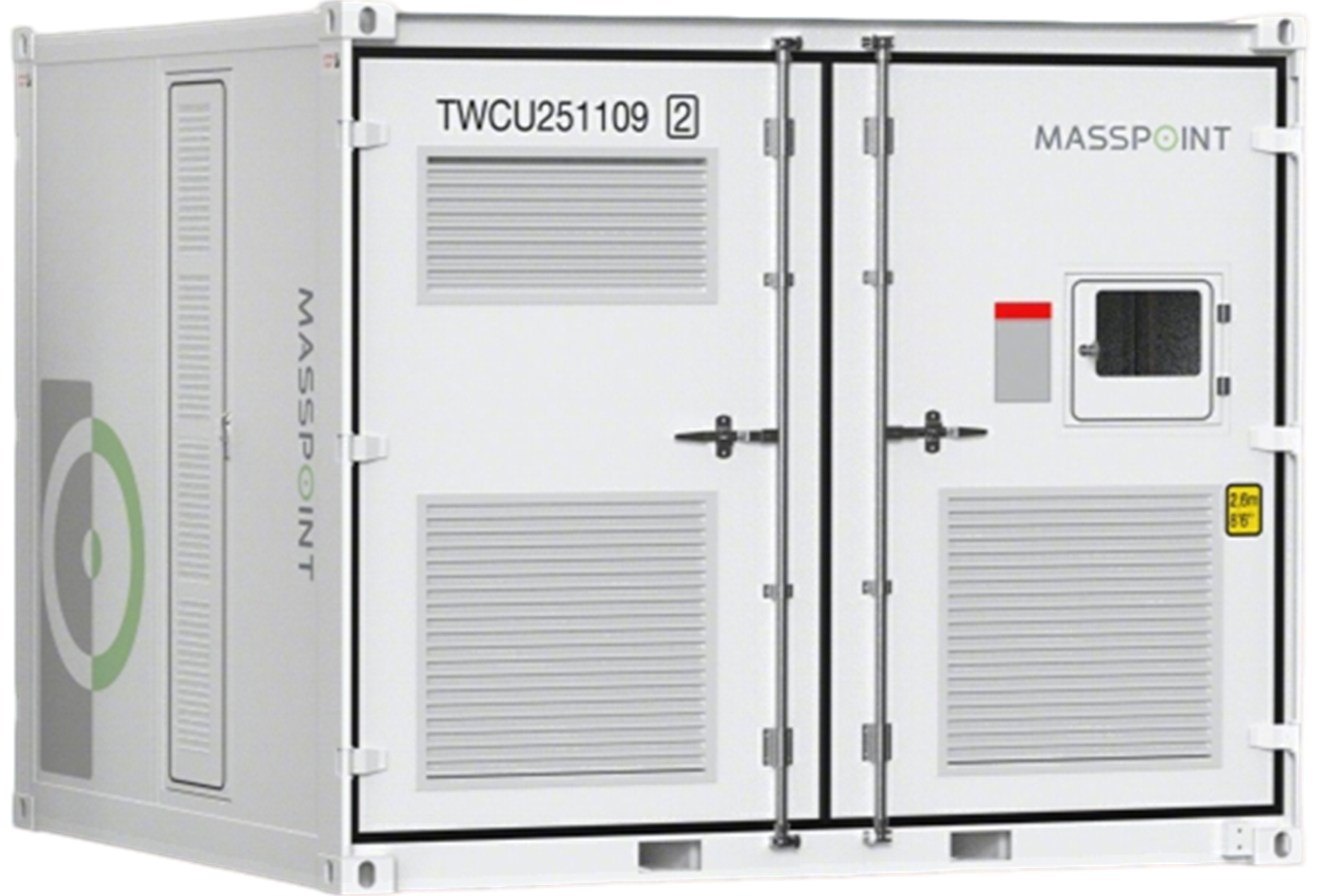 Industrial Hybrid BESS
 Hexa 125KW/241KWH-500KW/482KWH
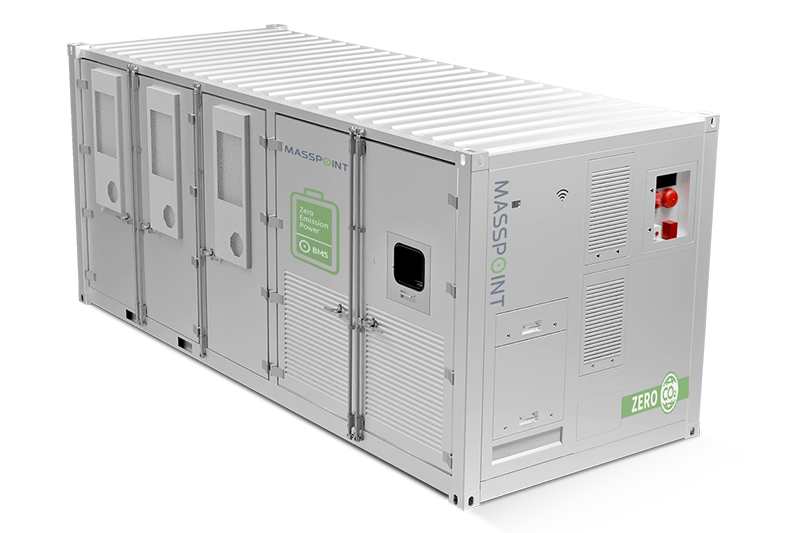 Micro-Grid BESS