Picking Microgrid Power Systems isn't just about comparing battery capacity or inverter prices. If you're buying globally, you've got to match the system to the local weather, grid quirks, what you actually need it to do, and who'll maintain it. A factory on the coast might need enclosures that won't corrode; a remote clinic might care way more about long battery autonomy and controls that are simple enough to use without a specialist. Honestly, those details affect reliability more than any glossy brochure.
Most experienced project teams dig into load profiles before they even ask for a quote. They look at peak demand, motor-starting current, how production shifts with the seasons, and what outages cost them. They also check whether the system plays nicely with solar panels, wind turbines, generators, and whatever distribution gear is already there. Standards from IEC, IEEE, and similar groups can help guide the technical review, but local grid rules still matter. Just having a certification doesn't mean it'll work flawlessly.
Service capability deserves just as much attention. Who's going to commission the system? Who replaces failed parts? Who handles software updates after it's installed? A supplier with regional technicians can cut downtime, even if the upfront price stings a bit more. Schneider Electric, Siemens, and other big names are useful reference points, sure—but each proposal still needs to be checked against site-specific evidence. A famous logo alone isn't enough.
No checklist is ever perfect. Real sites change. Dust, heat, shaky communications, limited spare parts—they can all throw off the original design. So buyers should ask for performance assumptions, warranty limits, response times, and clear ownership of monitoring data. Leave room for future expansion, too. A smart decision ties technical performance to practical support, financial resilience, and responsible energy planning. This guide should help you compare Microgrid Power Systems with more confidence, but remember: every project still needs professional verification.
Defining Microgrid Power System Types and Core Components
How to Choose Microgrid Power Systems for Global Buyers?
Defining the system type is the first practical decision.
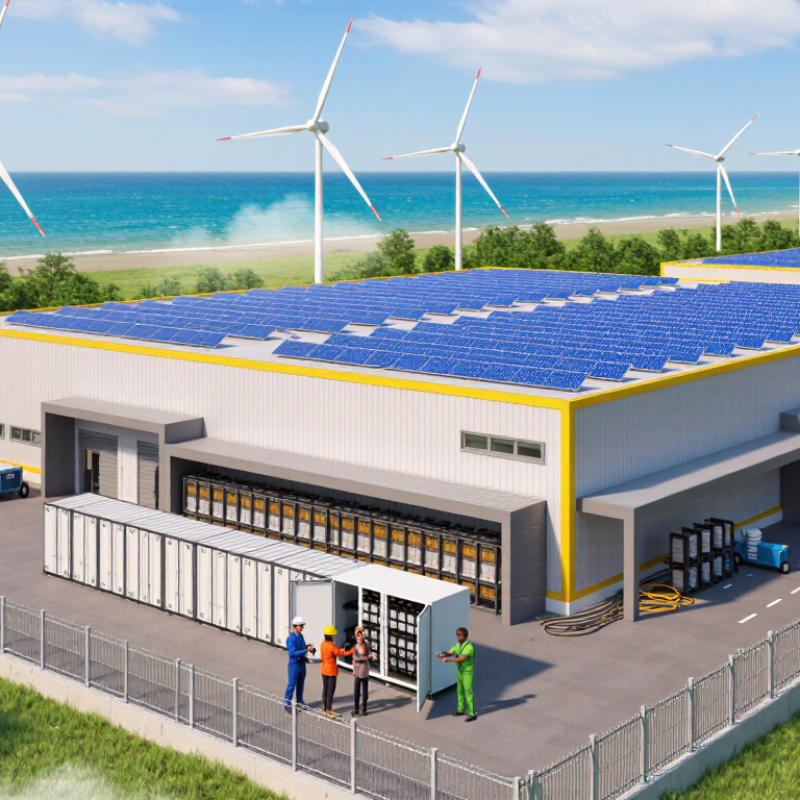
A grid-connected microgrid imports utility power during normal operation. It can reduce peak demand and support local renewable generation. An islanded system operates independently, which suits remote clinics, mines, and emergency facilities. Hybrid systems combine both modes. They require careful transition controls. Remote projects often use solar arrays, wind turbines, batteries, and backup generators. Climate and fuel access strongly influence this choice.
Core components must work as one coordinated system.
Distributed energy resources produce electricity, while inverters convert and regulate power. Battery energy storage manages short-term fluctuations and evening demand. An energy management system balances generation, loads, and reserve capacity. Protection devices, switchgear, meters, and communication networks support safe operation.
In coastal locations, enclosures need corrosion resistance. In dusty areas, cooling and filtration deserve equal attention.
During technical evaluations, buyers should examine load profiles, black-start capability, maintenance access, and spare-parts availability.
Local electrical codes and interconnection rules also affect equipment selection. A larger battery is not always better; replacement cost and temperature control may outweigh its capacity. Designers sometimes underestimate motor-starting currents. That mistake can cause nuisance trips. Real operating data is valuable, but incomplete data still appears in many projects. A short monitoring period may distort the final design. Independent testing, qualified engineers, and documented performance assumptions make comparisons more reliable. A system that looks efficient on paper may feel very different at 45°C, during a cloudy week, or after several years of battery degradation.
Assessing Energy Needs, Load Profiles, and Operating Conditions
Choosing a Power Microgrid starts with measured demand, not a catalog rating. Record hourly consumption for several weeks, including weekends and unusual production days. A cold-storage site may draw steady power, while a workshop creates sharp motor-starting peaks. Note critical loads, flexible loads, and equipment that can shut down safely. Measure before choosing.
Build a load profile from meters, invoices, and operator interviews. Mark the morning surge, evening drop, and seasonal changes. Then test the worst realistic hour. Do not rely only on average consumption. An average demand of 80 kW can hide a 180 kW starting demand. Battery capacity, generator response, and inverter power must match these events. Keep essential circuits separate from comfort loads, such as air conditioning or water heating.
Operating conditions often determine whether the system performs reliably. At high altitude, engines may deliver less power. Heat can reduce battery performance, while dust can restrict cooling airflow. Coastal sites may require stronger protection against salt exposure. For remote locations, assess fuel access, spare parts, technician skills, and communications. Grid outages may last minutes or several days. That difference changes storage and backup requirements. Request tested efficiency curves, protection settings, and maintenance procedures. Field experience matters. Still, no assessment is perfect. Recheck assumptions after the first operating season.
Comparing Renewable, Storage, and Backup Generation Options
Choosing a microgrid power system starts with the site, not the equipment catalogue. Measure hourly demand, seasonal sunlight, critical loads, and generator fuel access. A rural clinic may need only 25 kilowatts, but its vaccine refrigerator cannot tolerate interruptions. A construction camp may require short bursts of heavy machinery power.
Renewable generation lowers fuel use and operating noise. Off Grid Solar Power Systems work well where sunlight is reliable and land is available. However, solar output falls during storms and disappears at night. Battery storage fills these gaps, supports smooth switching, and reduces generator start-ups. Select capacity from measured load data, not optimistic estimates. Battery temperature, cycle life, fire protection, and replacement access deserve careful review.
Backup generation remains valuable for long cloudy periods and emergency loads. Diesel or gas units can provide strong output, yet fuel delivery, maintenance, emissions rules, and noise may limit their usefulness. In field projects, automatic controls and regular testing often matter as much as rated capacity. Ask installers for performance records, protection settings, maintenance schedules, and local code compliance. A hybrid design usually offers better resilience than one technology alone. Still, it may cost more and require trained operators. Perfect planning is rare. I would leave spare capacity, but not pay for equipment that sits unused.
Evaluating System Control, Monitoring, and Grid Connectivity
For global buyers, microgrid selection should begin with control logic, not battery size.
IRENA reported 473 GW of renewable capacity additions in 2023. Renewables represented 86% of new global power capacity. This growth increases control complexity. A capable system should coordinate solar, storage, generators, and flexible loads. Hierarchical controls matter. Local loops must protect voltage and frequency when cloud links fail. Supervisory controls should manage forecasts, reserves, and changing demand. They should also support black start and seamless islanding. A perfect architecture rarely exists. Test it under ugly conditions.
Monitoring should produce decisions, not attractive dashboards. Require timestamps, event logs, power-quality records, state of charge, and alarm escalation. The IEA Renewables 2024 report forecasts nearly 5,500 GW of renewable capacity additions from 2024 to 2030. Variable generation therefore requires faster visibility and stronger dispatch decisions. Ask for measured latency, data retention, open APIs, role-based access, and offline operation. For grid connectivity, verify protection studies, anti-islanding, fault ride-through, synchronisation, and reconnection sequences. Local interconnection rules vary widely. A certificate alone cannot prove site readiness.
Tips:
Run a live acceptance test. Briefly disconnect communications. Change the load suddenly. Simulate low battery charge and a utility outage. Check whether local controls remain safe. Compare promised response times with logged results. Keep a human override. It may feel old-fashioned, but emergencies expose elegant assumptions. Require cybersecurity practices aligned with IEC 62443 principles, clear patch ownership, and incident procedures. Choose systems that expose raw data. Locked dashboards weaken independent verification.
Checking Safety Standards, Certifications, and Local Regulations
Choosing a microgrid power system starts with safety, not output ratings. Battery Power Storage Systems should match the electrical risks of the installation site. Check battery chemistry, enclosure ratings, thermal protection, grounding, and emergency shutdown access. A cabinet beside a warehouse wall needs different fire planning than a remote solar station.
Ask for current test reports from accredited laboratories. Useful evidence may cover inverter safety, battery safety, electromagnetic compatibility, and anti-islanding performance. Transport documents, such as UN 38.3 test records, may also matter when batteries cross borders. Certificates must identify the exact model, revision, and factory. A similar certificate is not enough.
Local rules can change the buying decision. Confirm grid-connection procedures, protection settings, inspection duties, and limits on exporting electricity. Some regions require a licensed engineer to approve drawings before installation. Others demand fire separation, ventilation, or a dedicated emergency response plan. During project reviews, I have seen buyers trust a familiar certificate without checking its local acceptance. That mistake delayed commissioning by several weeks. Certification is evidence, not permission. Regulations also change, so confirm requirements with the utility and a qualified local authority before signing the purchase contract. Keep the paperwork organized. It helps inspectors, installers, and future operators find critical details quickly.
Calculating Total Cost, Scalability, and Long-Term Maintenance
How to Choose Microgrid Power Systems for Global Buyers?
Total cost begins with more than the purchase invoice. Buyers should calculate equipment, installation, transport, financing, fuel, software, replacement parts, and downtime. Lazard’s 2024 Levelized Cost of Energy report estimates utility-scale solar at roughly 29–92 dollars per megawatt-hour. However, batteries, controls, and backup generation can change the result significantly. A spreadsheet can still lie. Test several fuel-price and outage scenarios before approving the design.
Scalability depends on the first site layout. Leave space for additional inverters, batteries, switchgear, and cooling capacity. A modular system can expand without replacing its central control platform. The International Renewable Energy Agency reported that 81% of utility-scale renewable projects commissioned in 2023 produced power below the cost of new fossil-fuel alternatives. Yet this advantage may shrink when local logistics are expensive. A remote, dusty site needs different assumptions than a clean urban facility.
Long-term maintenance deserves a physical inspection plan. Check battery temperature, cable connections, inverter filters, generator starts, and protection settings. Salt air can corrode terminals. Fine dust can block ventilation. Spare-parts availability may matter more than a small efficiency gain. The U.S. National Renewable Energy Laboratory’s Annual Technology Baseline shows that storage cost and performance assumptions vary by duration and operating conditions. Use site-specific data, not generic brochures. Some forecasts will be wrong. Review them annually, record failures, and adjust the maintenance budget before small defects become outages.
How to Choose Microgrid Power Systems for Global Buyers?
This comparison uses representative 2024 planning benchmarks in USD per kW of rated generation capacity. Solar-plus-battery systems generally require higher upfront investment, while diesel-heavy systems usually create greater long-term fuel and maintenance exposure. Hybrid designs can balance scalability, resilience, and total cost over a 10-year operating period.
Data basis: representative international market ranges for utility-scale solar PV, lithium-ion battery storage, diesel generation, balance-of-system equipment, installation, scheduled maintenance, and fuel-related operating costs. Actual costs vary by location, financing, logistics, system size, and operating profile.
Selecting Suppliers and Planning Deployment for Global Markets
Global buyers should evaluate suppliers beyond equipment prices. For Off Grid Power Generation Systems, request verified performance data, factory test records, and clear maintenance procedures. Ask how the system performs in heat, dust, humidity, and unstable transport conditions. A supplier with regional engineers can respond faster when a controller fails during a remote-site inspection.
Deployment planning starts with an accurate load profile. Record daytime peaks, motor starting currents, seasonal changes, and critical equipment. Then compare solar, storage, backup generation, and demand controls. Supplier documents should address local grid codes, electrical safety rules, import duties, and recycling requirements. Confirm whether replacement batteries and control components are available locally. Delays often come from one small missing component.
Do not rely on impressive brochures. Visit an operating installation when possible. Review uptime records, repair times, training plans, and warranty exclusions. A pilot site can expose problems before a large purchase. It may also reveal that the planned battery size is too small during cloudy weeks. That is uncomfortable, but useful. Buyers should keep written acceptance tests and require supplier support during commissioning. Independent engineering review adds credibility, especially when several countries use different permits and technical standards. Planning is rarely perfect. Recheck assumptions after the first month of operation.
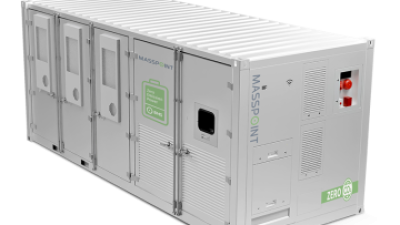
China NX10 Microgrid BESS: Clean Energy Insights from IEA and BloombergNEF Reports for Reliable Suppliers and Factories
China’s microgrid market is entering a period of rapid development as manufacturers seek cleaner, more reliable power. The *World Energy Investment 2024* report estimates that global clean-energy investment will exceed USD 2 trillion, highlighting the accelerating shift toward solar generation, battery storage, and efficient power management. For factories operating in remote areas or regions with unstable grids, an integrated battery energy storage system (BESS) can reduce dependence on diesel generation while improving power quality and resilience.
Industry analysis published in the *Energy Storage Market Outlook 2024* projects strong growth in global stationary-storage deployments, driven by falling battery costs, renewable-energy expansion, and rising demand for flexible electricity systems. Designed for Chinese industrial applications, this microgrid platform combines solar PV, battery storage, and generator sets within one intelligent architecture. Its flexible PV coupling options support AC-coupled integration with existing infrastructure, helping suppliers and manufacturers adapt the system to different project conditions.
With user-friendly energy management and fully controllable operation, the system can coordinate renewable generation, stored electricity, and backup power according to real-time demand. This approach helps lower fuel consumption, operating noise, and carbon emissions while maintaining a dependable electricity supply. Modular configuration also allows capacity to expand as energy needs increase, making the solution suitable for factories, construction sites, agricultural facilities, and other off-grid or weak-grid environments.
FAQS
Evaluate control logic before battery size. The system must coordinate solar, storage, generators, and flexible loads.
Local controls protect voltage and frequency when communications fail. Supervisory controls manage forecasts, reserves, demand, and islanding.
Require timestamps, event logs, power-quality records, battery charge levels, and alarm escalation. Attractive dashboards are not enough.
Ask for measured latency, data retention, open interfaces, user permissions, and offline operation. Raw data supports independent checking.
Verify protection studies, anti-islanding, fault ride-through, synchronisation, and reconnection sequences. A certificate cannot prove site readiness.
Briefly disconnect communications, change the load suddenly, and simulate low battery charge. Then test a utility outage.
Include equipment, installation, transport, financing, fuel, software, replacement parts, and downtime. One spreadsheet can still mislead you.
Reserve space for extra inverters, batteries, switchgear, and cooling. Modular expansion is useful, but the layout may still limit growth.
Inspect battery temperatures, cable connections, filters, generator starts, and protection settings. Salt air corrodes terminals. Dust blocks ventilation.
Keep human override, define patch ownership, and prepare incident procedures. Review forecasts annually. Some assumptions will fail.
Conclusion
Choosing the right Microgrid Power Systems requires a structured evaluation of technical, operational, and commercial factors. Buyers should first understand system types and core components, then assess energy demand, load profiles, climate, site conditions, and expected operating modes. Renewable generation, battery storage, and backup generators should be compared according to reliability, fuel availability, emissions goals, response time, and future expansion needs. Control platforms, monitoring functions, islanding capabilities, and grid-connection requirements are also essential for stable and efficient operation.
Safety standards, certifications, and local regulations must be confirmed before procurement, especially for cross-border projects. A complete cost assessment should include equipment, installation, transportation, commissioning, maintenance, replacement cycles, and scalability. Finally, buyers should select suppliers with strong engineering support, transparent documentation, dependable after-sales service, and relevant international project experience. Careful deployment planning, including site surveys, staff training, testing, and performance monitoring, can reduce risks and help ensure long-term value across different global markets.

 Products
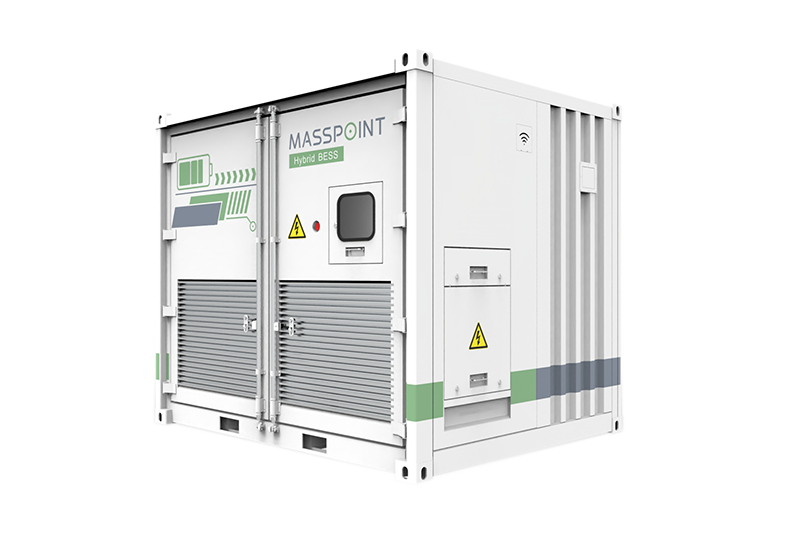
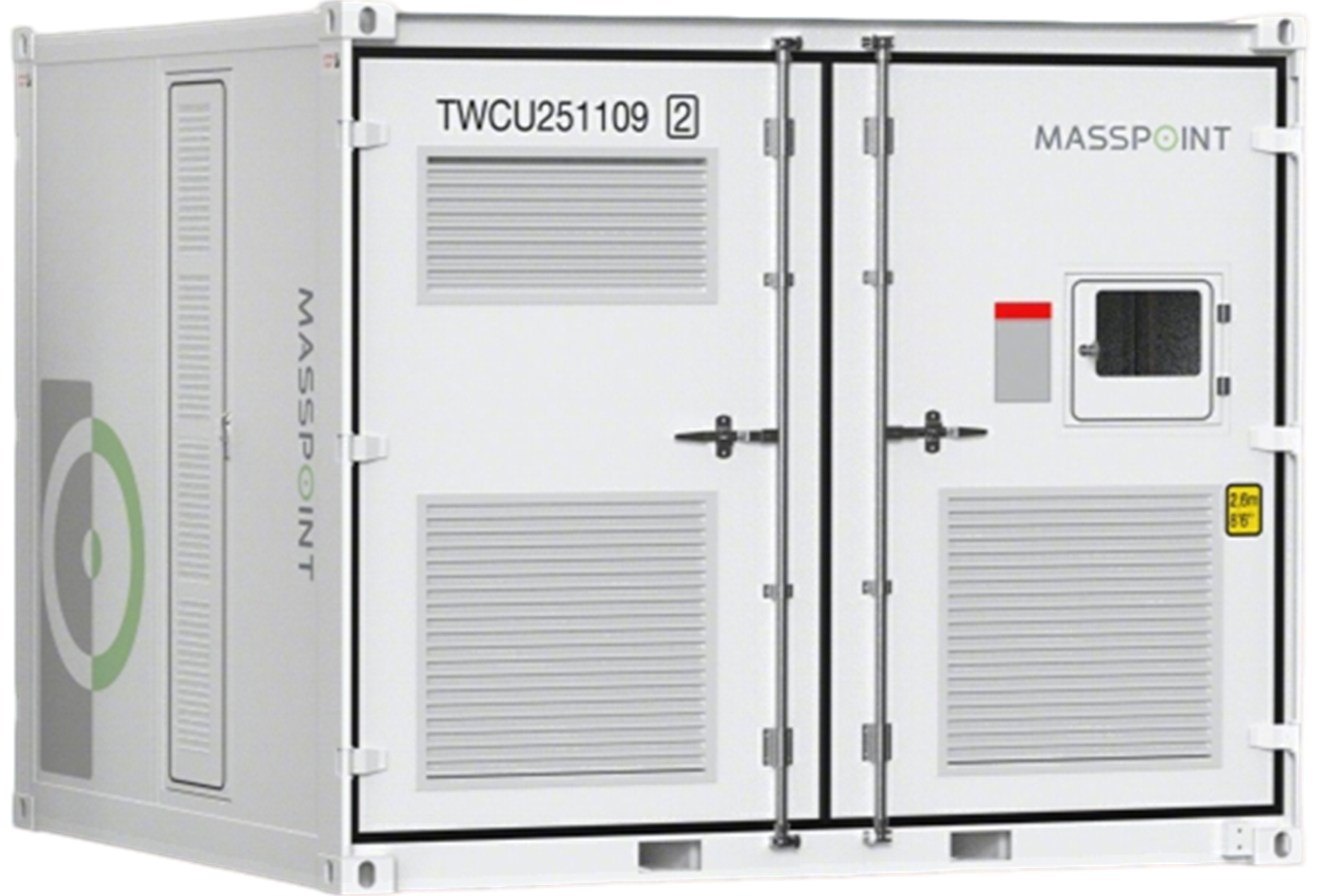 Industrial Hybrid BESS
 Hexa 125KW/241KWH-500KW/482KWH
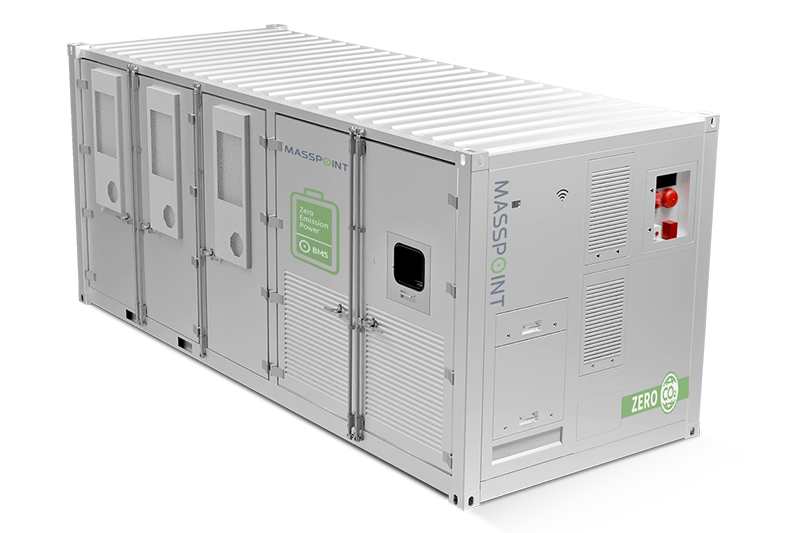 Micro-Grid BESS