Lately, Minigrids have really become a key solution for getting energy to those hard-to-reach or underserved areas. These decentralized setups are pretty much game-changers, but let’s be honest, running them smoothly isn’t all sunshine and rainbows — it takes careful planning and some serious know-how. A lot of folks involved often hit snags when it comes to procurement, and understanding what works best can make a huge difference pretty quickly.
Getting the energy procurement right for Minigrids isn’t exactly something you can just wing. Companies like SolarGrid Solutions have been at the forefront, pushing the envelope with innovative projects and sharing some real goldmine insights on what works. Their experiences show how vital it is to tap into local resources and get everyone involved — leaving these out can lead to wasted resources and higher costs, definitely not what you want.
Of course, the journey isn’t without its hurdles. Many Minigrid projects run into trouble because of poor planning or not enough good data. It’s pretty clear that we need to learn from those missteps to do better next time. Building trust, working together openly, and keeping everyone in the loop during procurement can help cut down on risks and get better results. At the end of the day, in this fast-changing scene, having the right knowledge isn’t just a bonus — it’s what keeps these projects moving forward and making a real difference.

Understanding the Benefits of Minigrids in Local Energy Procurement
Minigrids offer a transformative approach to local energy procurement. As reports indicate, about 600 million people in sub-Saharan Africa live without reliable electricity. Minigrids can bridge this gap, providing not just power, but also enhanced energy security for local communities. These systems often utilize renewable sources, reducing reliance on fossil fuels and minimizing carbon footprints.
The economic benefits are significant. Research shows that communities can save up to 30% on energy costs with minigrids compared to conventional sources. Furthermore, they often create local jobs for installation and maintenance. However, the implementation isn't without challenges. Issues like initial financing and technological reliability can hinder projects. Reflecting on these shortcomings highlights the importance of stakeholder engagement and transparent communication.
Reliable data is vital. According to a 2022 report from the International Renewable Energy Agency, well-planned minigrids can achieve payback periods of three to five years. This means they can be self-sustaining relatively quickly, but ongoing support is crucial for long-term success. Balancing these aspects can lead to a more sustainable energy future while empowering local economies.
Top 10 Minigrid Tips for Efficient Energy Procurement
Current Trends in Minigrid Technology and Their Impact on Efficiency
Minigrid technology is evolving rapidly, reshaping how energy is procured and distributed in remote areas. According to a recent report by the International Renewable Energy Agency (IRENA), minigrids can reduce energy costs by up to 30% compared to traditional diesel generators. This shift reflects a growing trend towards sustainability and efficiency. Increased reliance on renewables like solar and wind in minigrid systems leads to lower operational costs over time.
Recent developments focus on integrating advanced energy management systems. These systems optimize energy distribution and monitor demand in real-time, enhancing efficiency. Research from the World Bank indicates that effective energy management can improve system reliability by at least 25%. However, many minigrids face operational challenges. Inadequate financing and maintenance issues often hinder their full potential.
Investing in training for local technicians is crucial. Skilled personnel can address technical failures faster, reducing downtime. The World Economic Forum notes that technical support significantly increases community trust in these systems. This trust is vital for user commitment, ensuring long-term efficiency and sustainability of minigrid projects.
Top 10 Minigrid Tips for Efficient Energy Procurement
| Tip Number |
Tip |
Description |
Expected Impact |
| 1 |
Conduct Regular Audits |
Assess energy consumption periodically to identify inefficiencies. |
High |
| 2 |
Invest in Smart Meters |
Use smart meters to track real-time energy usage. |
Medium |
| 3 |
Optimize Storage Solutions |
Ensure battery systems are properly sized and managed. |
High |
| 4 |
Diversify Energy Sources |
Mix various renewable sources to enhance reliability. |
High |
| 5 |
Implement Demand Response |
Adjust consumption patterns based on grid conditions. |
Medium |
| 6 |
Engage Local Community |
Collaborate with community members to increase efficiency. |
Medium |
| 7 |
Leverage Financial Incentives |
Take advantage of subsidies or rebates for efficiency upgrades. |
Low |
| 8 |
Regular Maintenance |
Ensure all equipment is regularly serviced for optimal performance. |
High |
| 9 |
Monitor Energy Cost Trends |
Keep track of energy price fluctuations to make informed decisions. |
Medium |
| 10 |
Educate Users |
Provide training for users on energy-saving practices. |
High |
Evaluating Renewable Energy Sources for Minigrid Integration
In the quest for efficient minigrid integration, evaluating renewable energy sources is crucial. Solar energy remains the leading choice due to its scalability and decreasing costs. As reported by the International Renewable Energy Agency, solar power prices have fallen by over 80% in the past decade. Such trends emphasize the financial viability of solar installations in various settings.
Wind energy also deserves attention. However, its effectiveness can fluctuate based on location. For instance, areas with consistent wind patterns can yield significant returns, while others may not. According to the U.S. Department of Energy, even a 10% variability in wind resources can impact energy procurement strategies significantly.
Biomass and hydropower offer alternative solutions. Biomass can utilize waste materials, promoting sustainability. However, the efficiency of converting biomass to energy can be inconsistent, requiring careful management.
Hydropower presents another challenge; seasonal variations in water flow can lead to unreliable energy supplies. Each renewable source has unique challenges that need addressing to achieve optimal minigrid performance. Experimentation and adaptation are key in this evolving landscape.
Key Financial Models for Successful Minigrid Investment and Procurement
Successful minigrid investment hinges on understanding key financial models. Clear awareness of these models allows stakeholders to minimize risks and optimize returns. Investors should consider hybrid financing approaches, combining grants and loans. This blend can help secure sufficient funding while keeping costs manageable.
When approaching energy procurement, remember to assess your local market conditions. Local demand, pricing structures, and regulatory frameworks influence your procurement strategy. Customizing your approach based on these factors is vital. Engaging local partners can also provide valuable insights into best practices.
It’s essential to evaluate performance metrics continuously. This evaluation helps in identifying areas for improvement. Consider the long-term maintenance costs versus initial investments. Sometimes, cutting costs in one area leads to increased expenses elsewhere. Keeping an open mind to these complexities will strengthen your procurement strategy.
Analyzing Load Management Strategies for Minigrid Optimization
Load management strategies are essential for optimizing minigrid performance. Analyzing energy consumption patterns can reveal valuable insights. Understanding peak loads provides a clearer path to efficiency. This data-driven approach helps to balance supply and demand effectively. For instance, shifting usage to off-peak times reduces strain on resources. It also can lead to cost savings.
Implementing demand response programs can foster participation and engagement. Users are encouraged to modify their energy habits during high demand periods. Incentives for reducing energy use contribute to a more stable grid. However, challenges abound. Not all users may be willing to change their routines. Educating stakeholders about benefits is crucial for success.
Another critical aspect is integrating renewable energy sources. Solar and wind can provide cleaner alternatives. However, these sources are not always consistent. Establishing reliable energy storage solutions can mitigate this issue. Yet, the technology is not without concerns. Maintenance and lifecycle costs can deter investment. Exploring local resources and conditions can guide better decision-making. Each minigrid is unique, requiring tailored solutions. Adjusting strategies based on specific needs can enhance overall performance.
Regulatory Challenges and Opportunities in Minigrid Procurement
Regulatory challenges are a significant hurdle in minigrid procurement. Navigating these regulations requires a deep understanding of local laws. These laws can impact financing, operational flexibility, and even the technology choices available. Compliance can be daunting for new entrants. In some regions, the red tape can delay project timelines. This complexity often deters potential investors, affecting energy access.
On the flip side, regulatory frameworks can also provide unique opportunities. Policies promoting renewable energy can drive innovation. Some governments offer incentives to lower upfront costs for minigrid projects. Furthermore, streamlined licensing processes can encourage faster deployment. Companies should engage with local authorities to understand these benefits fully. Building strong relationships enables better navigation of the regulatory landscape. It also contributes to the long-term success of minigrids.
While regulatory barriers remain, careful planning can mitigate their impact. A proactive approach can identify potential roadblocks early. Companies must remain adaptable. Learning from challenges is crucial. The evolving landscape offers lessons that can refine strategies. This reflects the dynamic nature of the energy sector. Embracing this evolution can lead to more effective energy procurement practices.
Case Studies of Successful Minigrid Projects and Their Best Practices
Minigrid projects have emerged as vital solutions for enhancing energy access in remote areas. A notable case study is the mini-grid system launched in Sub-Saharan Africa, which demonstrates significant success in providing electricity to off-grid communities. According to the World Bank, over 600 million people in the region lack access to reliable energy. However, projects like the one in Tanzania have shown a 30% increase in local businesses' productivity after implementing minigrids, directly benefiting economic growth.
Another noteworthy example comes from India, where a cluster of mini-grids was established in rural areas. These installations achieved a 25% reduction in household energy costs, making electricity more affordable. The report from the International Renewable Energy Agency highlights that minigrids can reduce CO2 emissions by 80% when using renewable sources. Yet, challenges remain in system maintenance and local engagement. Some minigrids struggle to sustain operations due to the lack of continuous community involvement and training. Addressing these issues is critical for maximizing the potential of minigrids and ensuring their long-term viability.
Successful projects emphasize community ownership and trained local operators. Empowering residents fosters a sense of responsibility. It also promotes a culture of energy stewardship. The potential for minigrids is immense, but ongoing evaluation and adaptation of strategies are essential. This ensures they meet the evolving needs of the populations they serve.
FAQS
: Minigrids are localized energy systems that provide electricity, often using renewable sources.
They provide reliable power, enhance energy security, and can reduce energy costs by up to 30%.
Challenges include initial financing, technological reliability, and inadequate maintenance which can hinder effectiveness.
Reliable data helps in planning and can lead to quicker payback periods of three to five years.
Trained personnel can quickly fix issues, reducing downtime and increasing the community’s trust in the system.
Analyzing energy usage patterns can optimize supply and demand, leading to cost savings and better resource management.
Yes, demand response programs encourage users to reduce energy use during peak times, stabilizing the grid.
Solar and wind are popular options, but they can be inconsistent without reliable storage solutions.
They create employment opportunities in installation and maintenance within the community.
Engaging stakeholders fosters commitment and ensures that the systems are used effectively and sustainably.
Conclusion
Minigrids are emerging as a vital solution for local energy procurement, offering numerous benefits such as improved access to electricity and enhanced resilience. This article outlines the current trends in minigrid technology, highlighting their role in promoting efficiency while integrating renewable energy sources. To ensure successful minigrid implementation, it is essential to evaluate different financial models and adopt effective load management strategies. Additionally, understanding the regulatory challenges and opportunities in minigrid procurement can facilitate better planning and execution.
The article also provides insights from various case studies of successful minigrid projects, showcasing best practices that can guide future developments. By leveraging these strategies and understanding the unique aspects of minigrid systems, stakeholders can optimize energy procurement processes and contribute to a more sustainable energy future.

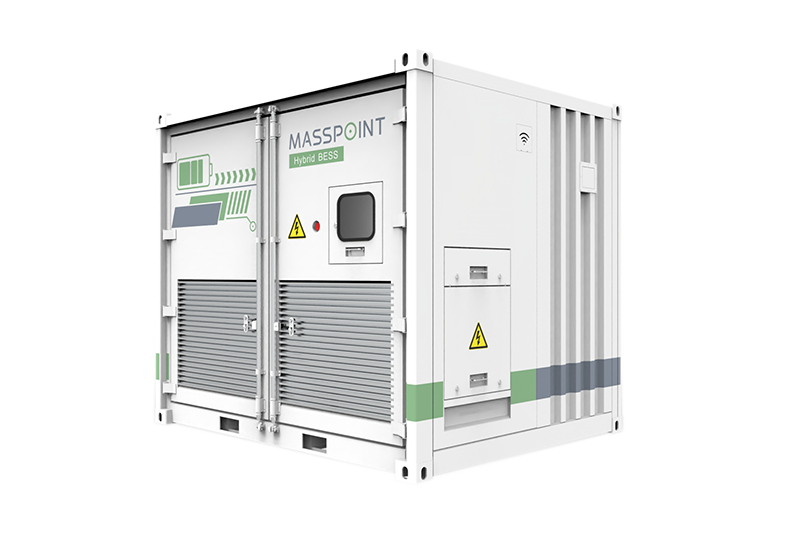 Products
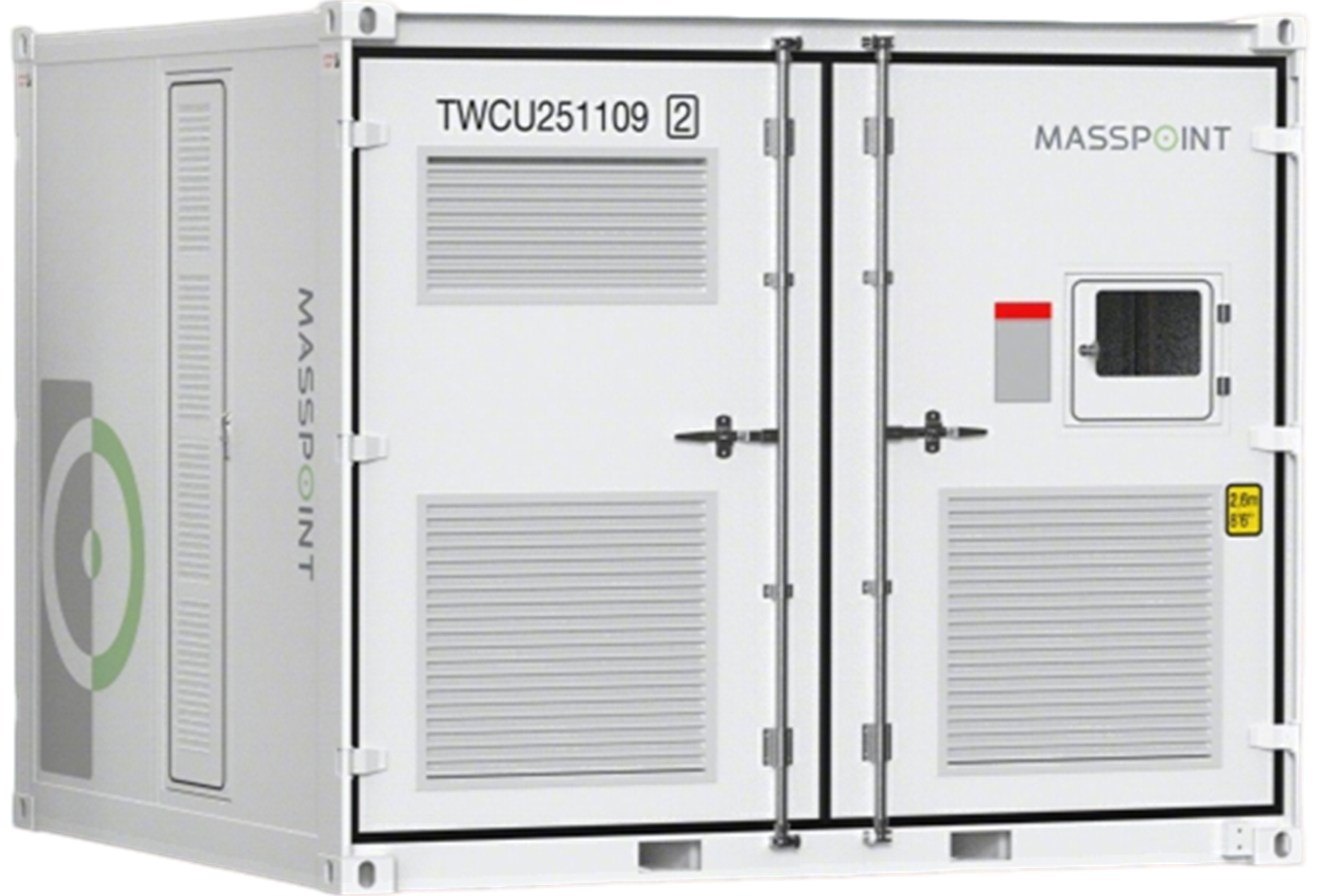 Industrial Hybrid BESS
 Hexa 125KW/241KWH-500KW/482KWH
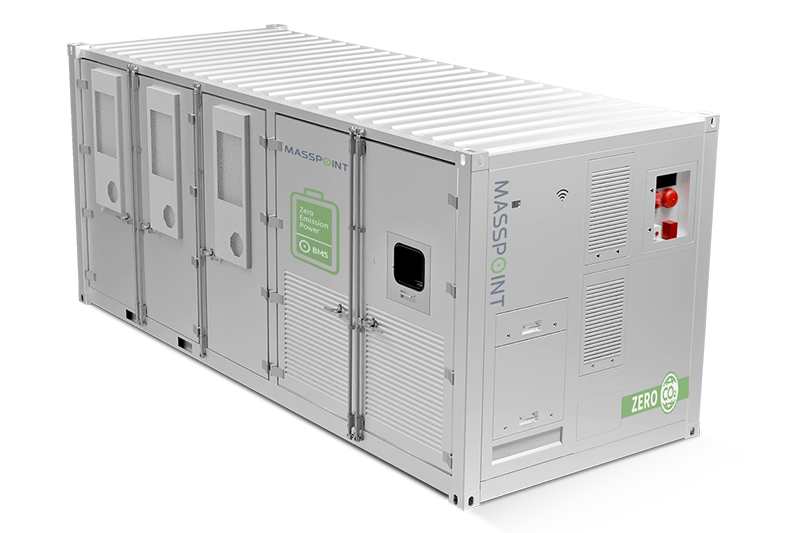 Micro-Grid BESS