Leave Your Message
您的浏览器版本不支持canvas
0%

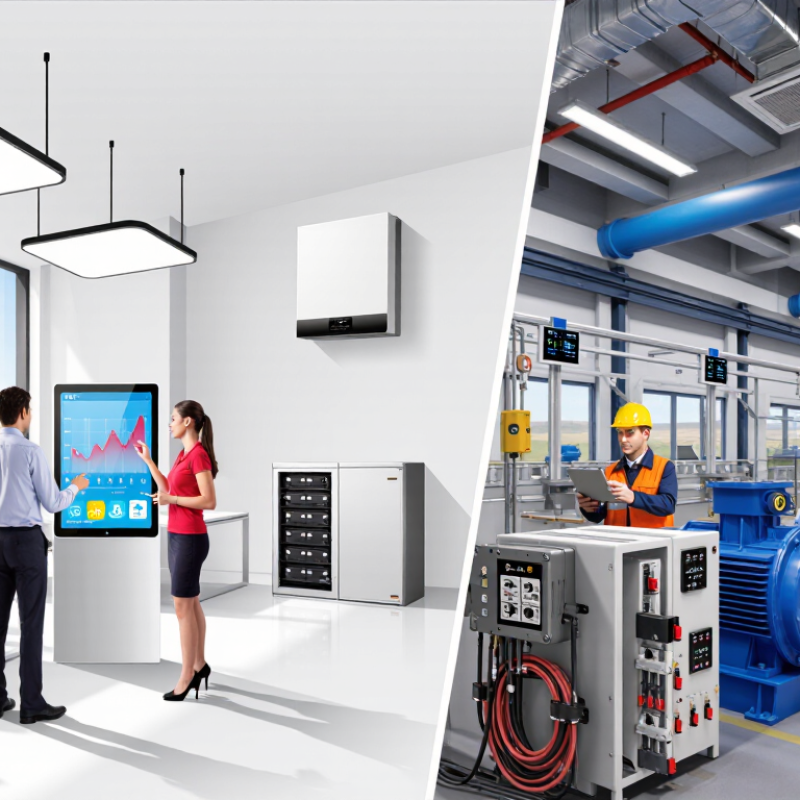
Picking out Energy Efficiency Systems in 2026 isn’t just about shopping around for the lowest equipment prices. You really need to get a clear picture of how energy is actually being used, how people are operating things, and what kind of performance you’re likely to see over the long haul. For example, a modern office might benefit from smart lighting, heat pumps, building controls, or even on-site battery storage. Meanwhile, a factory’s needs could include motor upgrades, waste-heat recovery systems, and real-time monitoring tools. The key is to look at actual demand and usage—forget about those glossy brochures with pretty pictures.

Good decision-making starts with real data. That’s where a qualified energy auditor comes in. They can review your utility bills, look at production schedules, inspect building layouts, and consider seasonal temperature swings. Submetering can even surprise you—sometimes, one cooling unit might be gobbling up more power than your entire lighting setup! Plus, it’s smart to consider independent test results, maintenance logs, and the warranty details from suppliers. When evaluating Energy Efficiency Systems, think about the entire lifecycle costs, how much you’ll save, how durable the equipment is, cybersecurity risks, and whether it’s compatible with what you already have.

Honestly, there’s no one-size-fits-all perfect fix. Even a super-efficient system can fall flat if sensors aren’t placed correctly or if staff haven’t been trained properly. I’ve seen projections look great on paper, only to fall apart once the system hits real-world conditions. That’s why it’s so important to run pilot projects, do proper commissioning, and review performance after everything’s installed. The experts should be upfront about their assumptions and admit when they’re uncertain. They also need to keep track of how things perform over time compared to what they promised.

The best approach combines solid technical knowledge with practical experience. Think about energy prices in your area, the local climate, available space, your team’s maintenance skills, and any plans for future expansion. Sometimes, a smaller upgrade can actually give you better bang for your buck than a complete overhaul. Come 2026, relying on careful measurement and real-world data will always beat being wowed by trendy tech. Remember, energy efficiency isn’t just about buying the latest gadgets; it’s an ongoing management effort that requires attention and smart decision-making every step of the way.
How to Choose Energy Efficiency Systems in 2026?

Define Energy Efficiency Goals for 2026

Defining energy efficiency goals for 2026 should begin with a measured baseline, not a hopeful percentage. Review twelve months of electricity, heating, cooling, and operating-hour data. Check weather, occupancy, and unusual production changes. A small office may target a 15% reduction in energy use per occupied square meter. A workshop may need a different metric. Context matters. It does.

Turn broad intentions into measurable targets. Each goal should name the system, expected reduction, deadline, and responsible person. “Reduce peak demand by 10% before December” is clearer than “use less energy.” Include a budget range and verification method. Smart meters provide useful evidence, but readings still need careful interpretation. Compare monthly results with a weather-adjusted baseline. Ask a qualified energy auditor to review major assumptions. Reliable evidence beats attractive dashboards.

Choose efficiency systems only after defining these boundaries. Prioritize options by energy impact, maintenance needs, payback period, and operational risk. Automated controls may save energy, yet poor commissioning can create uncomfortable rooms and higher consumption. That mistake is easy to miss. Set 90-day checkpoints for installation, performance, and user feedback. Record indoor temperatures, equipment runtime, and unexpected faults. If savings remain below target, investigate before expanding the project. A revised target may be more credible than an impressive but unsupported promise.

Assess Your Building’s Energy Use and Operating Patterns

Choosing an energy efficiency system should begin with your building’s actual energy behavior. An Energy Efficiency Review reveals where electricity, heating, and cooling are being consumed. Do not rely on annual utility bills alone. They hide short spikes and seasonal waste.

Walk through the building during occupied and unoccupied hours. Record room temperatures, lighting schedules, equipment use, and ventilation settings. A small office may waste energy when meeting rooms stay conditioned overnight. A warehouse may lose heat through loading doors opened repeatedly. Smart meters and submetering can expose these patterns, but readings need careful verification.

Operating habits matter as much as equipment age. Compare weekday, weekend, and holiday consumption. Speak with maintenance staff because they often notice problems before dashboards do. A system that saves energy during quiet hours may perform poorly during morning demand peaks. That trade-off deserves testing. Initial measurements can also mislead when weather changes suddenly or sensors are poorly placed. The review may remain imperfect, but repeated checks improve confidence. Choose controls and equipment that match occupancy, maintenance skills, and local climate, rather than selecting the most complex option.

Compare Major Energy Efficiency System Types

How to Choose Energy Efficiency Systems in 2026?

Compare Major Energy Efficiency System Types

Choosing an efficiency system starts with the building, not the sales brochure. The International Energy Agency reports that buildings consume about 30% of global final energy. Heating, cooling, and ventilation usually create the largest operational load. High-efficiency HVAC systems can reduce consumption, but only when controls, filters, and commissioning work properly. A poorly balanced system wastes energy quietly.

Lighting upgrades are simpler. LED systems with occupancy and daylight sensors can cut lighting demand dramatically in offices, warehouses, and schools. The U.S. Department of Energy reports that lighting controls can deliver significant savings, especially in intermittently occupied spaces.

Building-envelope improvements offer another route. Sealing door gaps, insulating roofs, and improving glazing reduce heat transfer before equipment operates. Energy management systems then connect these measures, revealing nighttime loads and unusual temperature patterns.

Tips: Compare measured annual savings, maintenance needs, and payback periods. Ask for independent verification, not only projected figures. For batteries and thermal storage, evaluate Energy Storage Efficiency through round-trip performance, usable capacity, and seasonal losses. The IEA’s Energy Efficiency 2023 report recorded a 2.1% improvement in global energy intensity during 2022, yet progress remains uneven. A mistake I still see is choosing the most advanced system first. Sometimes better scheduling beats expensive hardware. The result may look less impressive, but it can perform better.

Evaluate Performance, Compatibility, and Smart Control Features

Choosing energy efficiency systems in 2026 requires more than comparing advertised savings. Performance data should come from recognized testing methods, measured operating conditions, and realistic climate assumptions. Look for seasonal efficiency, standby consumption, response time, and maintenance requirements. A system promising Highest Energy Efficiency may perform poorly in a dusty workshop or poorly insulated home. During a previous site review, actual energy use exceeded the estimate because doors opened frequently. The model was not wrong, but the assumptions were incomplete.

Compatibility deserves equal attention. Check electrical capacity, available space, ductwork, plumbing, software connections, and existing control equipment. Ask a qualified installer to inspect the site before purchase. A technically advanced system may need expensive modifications. Open communication protocols can reduce future replacement risks, but compatibility claims still require verification. Request installation records, warranty conditions, service intervals, and independent performance documents. I have learned that a neat specification sheet does not guarantee a smooth installation.

Smart controls can improve results when they respond to occupancy, temperature, daylight, and operating schedules. Useful systems show live energy data and explain unusual changes. Clear alerts matter more than decorative screens. Manual overrides should remain available for emergencies or unusual work patterns. Remote access also needs strong passwords, software updates, and controlled user permissions. Automation is not always intelligent. A sensor placed near a heater can trigger poor decisions, while a delayed connection can create uncomfortable rooms. Test the controls for several weeks, compare measured consumption, and adjust settings based on evidence rather than excitement.

How to Choose Energy Efficiency Systems in 2026? — Evaluate Performance, Compatibility, and Smart Control Features
System Type Primary Application Typical Efficiency Performance Low-Temperature Performance Compatibility Requirements Smart Control Features Installation and Operating Considerations Best-Fit Use Case
Air-Source Heat Pump Space heating and cooling; domestic hot water with suitable equipment Seasonal coefficient of performance commonly ranges from 2.4–3.5 in heating mode.
Seasonal energy-efficiency ratio commonly ranges from 4.5–6.5 in cooling mode.
Capacity and efficiency decline as outdoor temperature falls. Cold-climate models are designed to operate at approximately −15°C to −25°C, depending on the model. Works best with well-insulated buildings, appropriately sized electrical service, low- or medium-temperature emitters, and adequate outdoor-unit clearance. Weather compensation Remote scheduling Demand response Defrost monitoring Correct sizing is essential. Oversizing can reduce comfort and increase cycling. Backup heat may be required in very cold climates or during electrical outages. Homes and light commercial buildings seeking one system for efficient heating and cooling.
Ground-Source Heat Pump High-efficiency space heating and cooling Seasonal coefficient of performance commonly ranges from 3.5–5.0 in heating mode, with generally stable performance throughout the year. Ground-loop temperatures are more stable than outdoor air temperatures, so efficiency usually varies less during cold weather. Requires suitable land or drilling access, a closed- or open-loop ground system, and compatible indoor distribution equipment. Loop-temperature sensors Weather compensation Zone control Remote diagnostics Higher initial installation cost and site-specific design requirements. Ground-loop permitting and geology can materially affect project feasibility. Long-term installations where land, drilling access, and stable year-round efficiency justify the investment.
Condensing Gas Boiler Hydronic space heating and domestic hot water Rated annual fuel utilization efficiency commonly ranges from 90%–98% when operated with return-water temperatures low enough to enable condensing. Delivers reliable high-temperature heat in cold conditions, but condensing efficiency decreases when return-water temperature is too high. Requires a gas connection, condensate drainage, compliant flue system, and hydronic distribution such as radiators or underfloor heating. Outdoor reset Modulating burner Room sensors Fault alerts Best efficiency is achieved with low-temperature emitters and properly balanced water flow. Fuel availability and future fuel-price exposure should be assessed. Existing hydronic buildings that require dependable high-temperature heating and already have gas service.
High-Efficiency Electric Resistance Heating Supplemental, zonal, or occasional space heating Point-of-use conversion efficiency is approximately 100%, but operating cost can be higher than heat pumps because one unit of electricity produces roughly one unit of heat. Output is generally unaffected by outdoor temperature, provided electrical capacity is available. Requires sufficient electrical capacity and compatible wiring, controls, and safety protection. Thermostatic control Time-of-use scheduling Occupancy sensing Load shedding Simple installation and low equipment cost, but annual energy use may be substantial in cold climates. Small zones, backup heating, highly efficient buildings, or locations with limited equipment space.
Solar Photovoltaic System On-site electricity generation Commercially available modules commonly convert approximately 19%–23% of incident sunlight into electricity under standard test conditions. Cold temperatures can improve module efficiency, but snow cover, shorter winter daylight, and low solar angles can reduce seasonal output. Requires suitable roof or ground area, structural capacity, electrical interconnection, shading assessment, and compliance with local grid rules. Production monitoring Inverter alerts Export limitation Time-based control Output depends on orientation, tilt, shading, local solar resource, and system losses. Inverters normally require replacement sooner than the mounting structure. Buildings with suitable solar exposure that want to reduce grid electricity purchases or support electrification.
Battery Energy Storage Load shifting, backup power, solar self-consumption, and peak-demand reduction Typical round-trip efficiency is approximately 85%–95%, depending on battery chemistry, inverter, temperature, and operating conditions. Performance and available capacity can decline in very cold or hot environments unless thermal management is provided. Requires compatible inverter equipment, protection devices, usable installation space, ventilation or thermal management where applicable, and utility approval for grid-connected operation. Peak shaving Backup reserve Solar charging Dynamic tariffs Evaluate usable rather than nameplate capacity, power rating, cycle limits, warranty conditions, fire-safety requirements, and the financial value of the intended operating strategy. Buildings with variable electricity prices, backup requirements, solar generation, or demand charges.
Energy Recovery Ventilator Fresh-air ventilation with heat and moisture recovery Sensible heat-recovery effectiveness commonly ranges from 60%–90%, depending on the exchanger, airflow, and operating conditions. Reduces ventilation heat loss during winter and can moderate incoming air temperature, but requires frost protection in cold climates. Requires duct access, balanced supply and exhaust airflow, suitable filters, and coordination with the building envelope and HVAC system. CO₂ sensing Humidity control Demand ventilation Filter alerts Duct leakage, dirty filters, poor balancing, and excessive airflow can significantly reduce actual savings. Efficiently sealed homes, offices, schools, and other buildings requiring continuous mechanical ventilation.
Smart Building Energy Management System Monitoring and coordinated control of HVAC, lighting, storage, and flexible loads Energy savings are highly site-dependent. Properly commissioned control programs often target approximately 5%–20% reduction in building energy use, but results vary by baseline and operating behavior. Can optimize equipment operation during extreme weather, but cannot compensate for undersized, poorly maintained, or incompatible mechanical systems. Requires interoperable meters, sensors, thermostats, gateways, and control protocols. Common integration methods include BACnet, Modbus, MQTT, and open application programming interfaces. Automated fault detection Occupancy analytics Tariff optimization Carbon-aware scheduling Data quality, cybersecurity, user permissions, commissioning, and ongoing maintenance are critical. Open protocols reduce the risk of long-term system isolation. Multi-zone buildings or projects combining several energy systems that need centralized optimization.
Evaluation note: Compare systems using the same climate, operating schedule, indoor comfort target, energy prices, and maintenance assumptions. Rated efficiency is not the same as annual real-world performance; sizing, installation quality, controls, weather, and occupant behavior can materially change results.
Data basis: Representative industry ranges aligned with commonly used efficiency metrics and test conventions, including COP, seasonal efficiency, AFUE, photovoltaic module efficiency, battery round-trip efficiency, and ventilation heat-recovery effectiveness. Actual values should be verified against current product documentation, local codes, climate data, and independent certification records before procurement.

Calculate Installation Costs, Savings, and Long-Term Value

How to Choose Energy Efficiency Systems in 2026?

Choosing Energy Efficiency Solutions should begin with measured needs, not attractive promises. Review twelve months of electricity and heating bills. Note peak usage, room temperatures, equipment age, and maintenance records. A qualified energy assessor can identify heat loss with infrared imaging and airflow testing. Small details matter. A drafty hallway may reveal poor sealing, not inadequate heating capacity.

Calculate the complete installation cost before comparing savings. Include equipment, labor, electrical upgrades, permits, controls, and future repairs. Request itemized quotations from licensed contractors. Then estimate annual savings using local energy prices and realistic operating hours. For example, a system costing $8,000 and saving $1,000 yearly has an eight-year simple payback. That figure changes when prices, weather, or usage changes. My first estimate was too optimistic because I ignored filter replacement and seasonal performance.

Long-term value requires more than payback. Check expected service life, warranty terms, replacement parts, noise levels, and maintenance access. A cheaper system may lose efficiency after neglected servicing. Compare lifetime costs over ten or fifteen years, using conservative savings assumptions. Include available rebates only after confirming eligibility with an official authority. Ask for documented performance data, not vague claims. A spreadsheet can show annual cash flow, but it cannot predict every repair. Leave a contingency budget of ten percent. Perfect forecasts do not exist.

How to Choose Energy Efficiency Systems in 2026?

Compare estimated installation costs, annual energy savings, and 10-year net value for common efficiency upgrades in a small commercial building.

Planning benchmark in 2026 USD: estimated project costs and savings are representative of a small commercial facility and exclude financing, tax credits, maintenance changes, and regional utility-rate differences. Ten-year net value equals estimated ten-year energy savings minus installation cost.

Verify Standards, Incentives, Maintenance, and Future Upgrade Options

How to Choose Energy Efficiency Systems in 2026?

Verify Standards, Incentives, Maintenance, and Future Upgrade Options

When I assess an energy efficiency system, I begin with its documented performance. Ask for test reports, safety certificates, and compliance with applicable building and electrical standards. An independent assessor can confirm whether laboratory claims match site conditions. Look for measured data, not only projected savings. A system that performs well on paper may fail in a poorly insulated building.

Incentives can reduce costs, but eligibility rules often change. Check official government or utility guidance before signing a contract. Confirm application deadlines, approved equipment lists, installation requirements, and inspection duties. Keep invoices and commissioning records. I once saw a project lose funding because the owner applied after installation. That mistake was avoidable.

Maintenance deserves equal attention. Request a clear schedule for filter replacement, sensor calibration, software updates, and safety checks. Ask about response times and spare parts availability. Keep monthly energy readings beside maintenance records. These details reveal declining performance early.

Plan future upgrades too. Choose systems with accessible data, common communication protocols, and spare electrical capacity. Modular components may simplify expansion. Avoid solutions that depend entirely on one supplier.

I have underestimated training costs before, so include staff time and future service fees in the budget. Efficiency is useful only when people can operate and maintain it correctly.

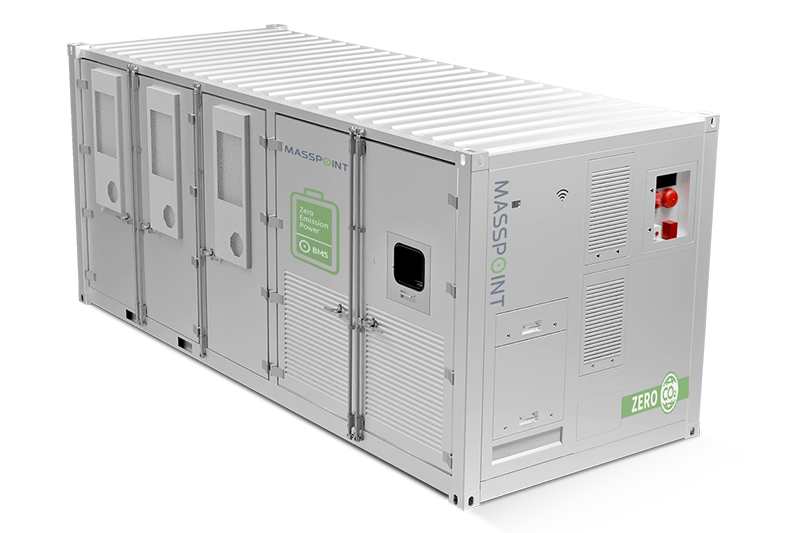
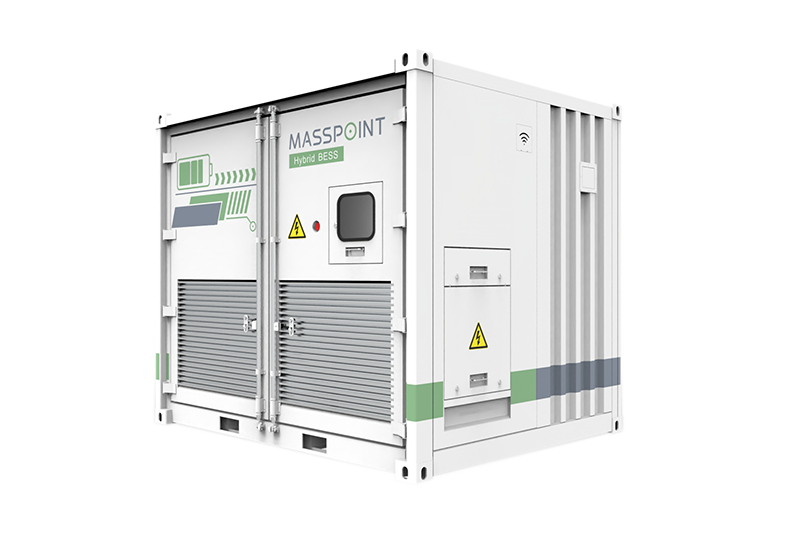
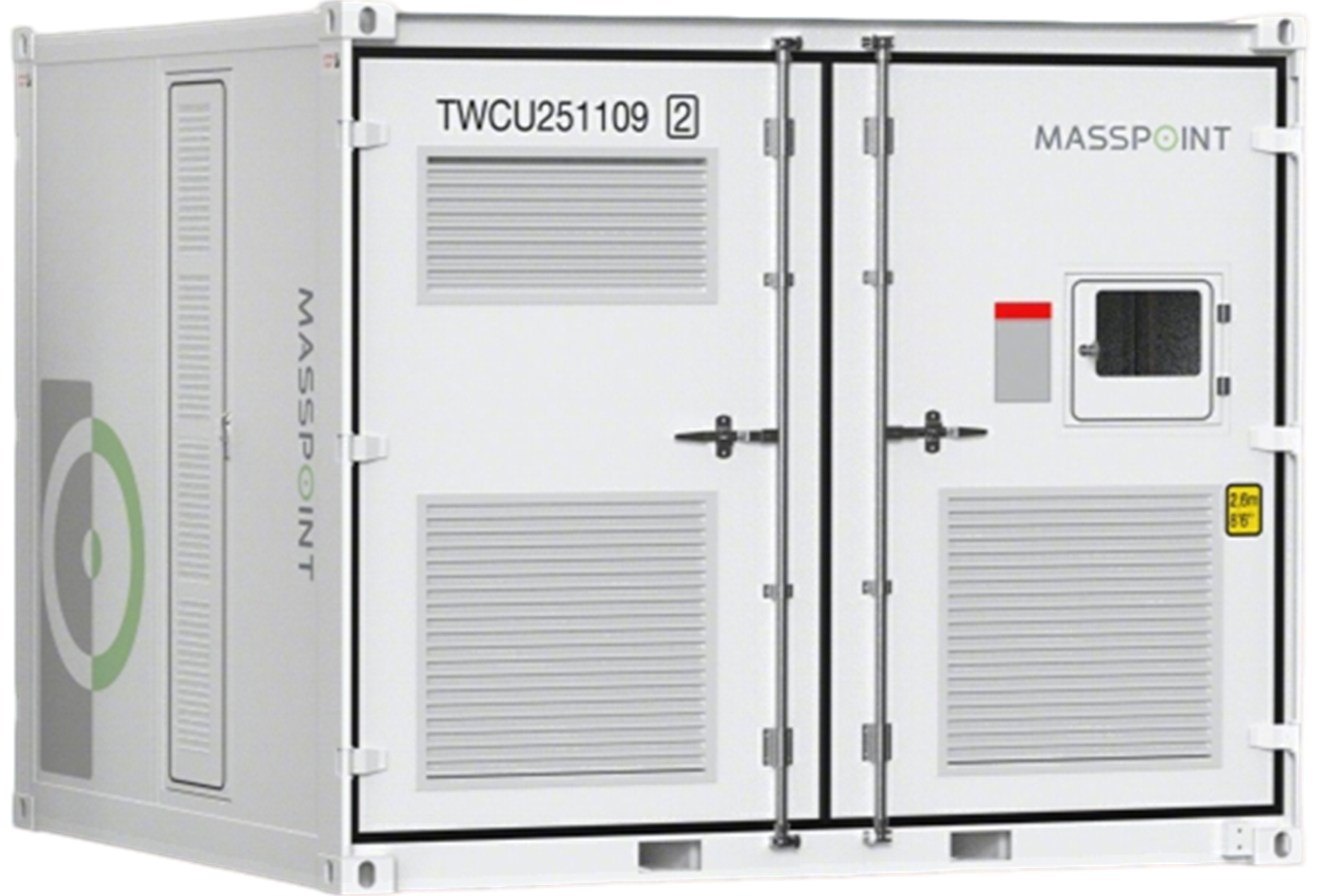
China NX10 Microgrid BESS: Supplier & Factory Insights from IEA Renewables 2024 and BNEF Battery Price Survey

China’s microgrid market is expanding alongside the rapid growth of renewable power. The IEA Renewables 2024 report states that global renewable capacity additions reached nearly 510 GW in 2023, approximately 50% higher than the previous year. China played a major role, installing an exceptionally large volume of solar PV capacity while accelerating investment in flexible energy infrastructure. This trend is increasing demand for reliable battery energy storage systems that can support factories, remote sites, and regions with unstable grid connections.

The NX10 BESS Series combines solar PV, battery storage, and generator sets within a controllable microgrid platform. Its AC-coupled PV architecture can be adapted to existing electrical systems, while integrated energy management helps optimize renewable utilization, backup power, and fuel consumption. According to BloombergNEF’s 2024 Battery Price Survey, the average lithium-ion battery pack price fell to approximately $115 per kWh, a 20% year-on-year decline, strengthening the commercial case for scalable storage deployment. As a factory-oriented solution, NX10 can be configured for off-grid operations and industrial applications, helping reduce emissions, operating noise, and generator runtime while delivering dependable electricity when renewable output fluctuates.

FAQS

How should an organization set energy efficiency goals for 2026?

Start with twelve months of electricity, heating, cooling, and operating-hour data. Use measured evidence. Adjust results for weather, occupancy, and unusual production changes.

What makes an energy target measurable?

Name the system, expected reduction, deadline, and responsible person. For example, reduce peak demand by 10% before December. Include a budget range and verification method.

Should every building use the same energy reduction target?

No. A small office might target a 15% reduction per occupied square meter. A workshop may need another metric. Building use matters greatly.

How can energy savings be verified reliably?

Compare monthly results with a weather-adjusted baseline. Smart meters help, but their readings need careful interpretation. Independent review is useful. Dashboards can look convincing and still mislead.

Which systems commonly offer strong efficiency opportunities?

Heating, cooling, and ventilation often create the largest operational load. Efficient equipment can reduce consumption when controls, filters, and commissioning work properly. Poor balancing wastes energy quietly.

Are lighting upgrades easier to plan?

Often, yes. LED lighting with occupancy and daylight sensors suits offices, warehouses, and schools. Savings may be strongest in spaces used intermittently. Check actual operating schedules.

Can building-envelope improvements reduce equipment demand?

Sealing door gaps, insulating roofs, and improving glazing reduce heat transfer. These measures work before heating or cooling equipment starts. Small leaks matter.

How should organizations compare efficiency systems?

Compare measured annual savings, maintenance needs, payback periods, and operational risks. Ask for independent verification instead of accepting projected figures alone. The newest system is not always best.

What checkpoints should follow an efficiency installation?

Set reviews at 90 days for installation quality, performance, and user feedback. Record indoor temperatures, equipment runtime, and unexpected faults. Listen to occupants. Their complaints may reveal hidden problems.

What should happen when savings remain below target?

Investigate the causes before expanding the project. Check schedules, controls, filters, weather adjustments, and equipment faults. A revised target may be more credible than an unsupported promise. I would not trust impressive numbers too quickly.

Conclusion

Choosing the right Energy Efficiency Systems in 2026 begins with clear goals, such as reducing energy consumption, lowering operating costs, improving comfort, or supporting sustainability targets. Building owners should first review energy bills, equipment performance, occupancy levels, seasonal demand, and daily operating patterns. This assessment helps identify where energy is being wasted and which system types may provide the greatest benefits.

When comparing options, consider efficiency ratings, capacity, compatibility with existing infrastructure, reliability, automation, and smart control features. A complete evaluation should include installation expenses, expected savings, maintenance needs, service life, and long-term return on investment. It is also important to verify applicable safety standards, building requirements, available incentives, warranty conditions, and future upgrade possibilities. By balancing performance, affordability, flexibility, and ongoing support, organizations can select an energy efficiency solution that meets current needs while remaining adaptable to changing technologies and operational goals.

Ethan

Ethan

Ethan is a dedicated marketing professional with a deep understanding of advanced microgrid solutions, drawing on over 12 years of experience in the power electronics and battery industry. His expertise lies in seamlessly integrating research and development, manufacturing, sales, and service......
Previous Top Industrial Energy Storage Solutions for Global Buyers