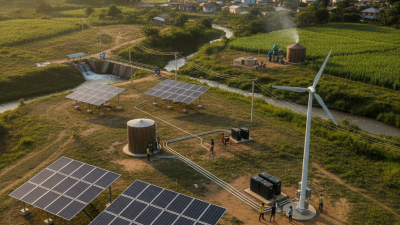
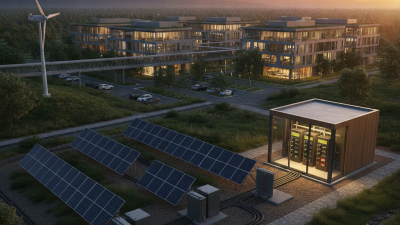
In a world that's constantly changing and leaning more towards sustainability, the Solar Off Grid System really sticks out as a pretty innovative solution. More and more people around the globe are starting to realize just how important it is to cut down on energy costs and rely less on traditional power sources. Using solar energy gives folks that sense of independence and peace of mind when it comes to their energy needs.
Of course, switching to a solar off-grid setup isn’t exactly plug-and-play—it takes some careful planning and homework. Buyers need to sift through all kinds of tech options and brands out there, which can be a bit overwhelming. Plus, worries about installation and ongoing maintenance often hold people back.
Still, the benefits can be pretty impressive. Taking control with renewable energy means you're generally more resilient when energy prices jump around. The Solar Off Grid System isn’t just some trendy thing; it’s really about making a real commitment to energy independence. People worldwide are moving in that direction, but to really get the most out of it, you’ve gotta stay informed and flexible along the way.
Benefits of Solar Off-Grid Systems: An Overview
Solar off-grid systems present numerous advantages for consumers worldwide. Their independence from traditional power grids attracts many buyers. These systems harness solar energy, providing reliable power even in remote areas. This reliability can significantly enhance the quality of life for users.
Cost savings are another important aspect. By using sunlight, homeowners can lower or eliminate their electricity bills. Over time, the initial investment in solar panels pays off. However, it’s worth noting that installation can be complex. Proper planning and maintenance are required to achieve optimal efficiency. Users must also consider their energy needs carefully, as underestimating these can lead to inadequate power supply.
These systems promote environmental sustainability. By relying on renewable energy, users reduce their carbon footprint. This decision reflects a growing awareness of climate change. Yet, some may struggle with the upfront costs and installation processes. Thus, it’s crucial to weigh the long-term benefits against short-term challenges.
Cost Savings with Solar Off-Grid Systems for Global Buyers
Solar off-grid systems offer significant cost savings for global buyers, making them increasingly appealing. According to a report by the International Renewable Energy Agency (IRENA), off-grid solar systems can reduce energy costs by up to 80%. This is particularly beneficial in rural areas where the cost of extending the grid is prohibitively high.
Investing in solar off-grid technology can also lead to long-term financial gains. A study from the World Bank indicates that households utilizing solar power can save around $400 annually compared to those relying on traditional energy sources. These systems require little maintenance, adding to their overall cost-effectiveness. However, buyers must consider initial installation costs.
Sustainability is a crucial factor, but it requires reflection. The carbon footprint of manufacturing solar panels can be significant. It's vital to balance environmental impact with economic benefits. Despite the challenges, the potential for savings makes solar off-grid systems an attractive investment for many. As technology improves, costs are expected to decline, making these systems even more accessible.
Top 10 Benefits of Solar Off Grid System for Global Buyers
Environmental Impact of Using Solar Off-Grid Systems
Solar off-grid systems significantly reduce environmental impact. By using solar energy, they lower greenhouse gas emissions. Traditional energy sources often contribute to air pollution. Solar systems harness sunlight, providing clean energy for homes and businesses. This shift leads to fresher air and a healthier environment.
These systems also conserve water. Conventional energy production often requires large amounts of water for cooling. Solar technology minimizes this need, protecting local water resources. Furthermore, solar installations create local jobs. These jobs promote economic growth while maintaining sustainability. Communities thrive when they embrace renewable energy solutions.
Despite the benefits, challenges exist. Initial setup costs can be high, impacting accessibility. Not everyone has the means to invest in solar. Additionally, solar energy production varies with weather and location. Adapting to these fluctuations requires innovative technologies. Ongoing education and support are vital in overcoming these hurdles.
Energy Independence and Security Provided by Solar Off-Grid Solutions
The shift toward solar off-grid systems is a powerful way to achieve energy independence. These systems allow users to generate their own electricity, reducing reliance on traditional power grids. Many people are drawn to the autonomy these solutions provide, especially in remote areas. However, the initial setup can be costly, and some may struggle with understanding the technology involved.
Tips: It is crucial to assess your energy needs accurately before investing. Often, buyers underestimate their consumption, leading to insufficient solar power production. Investing in a Mini Off Grid Solar System can be a wise choice for small households or cabins. It’s designed to be compact and efficient, making it a strong contender for those seeking independence.
In addition to energy security, off-grid systems can be a sustainable choice. However, the fluctuation in solar energy production raises concerns. Weather conditions affect sunlight, which can limit energy reliability. Thus, incorporating battery storage becomes essential for maintaining a consistent power supply during cloudy days or at night. Adapting one’s lifestyle around solar efficiency can yield long-term benefits. Energy independence shouldn't come at the cost of convenience.
Enhanced Resilience during Power Outages with Off-Grid Systems
Power outages can disrupt daily life in various ways. Off-grid solar systems provide a solution by enhancing resilience during such events. These systems allow homeowners to generate their own electricity, ensuring a continuous power supply. Imagine not worrying about food spoilage in your refrigerator during a blackout. Instead, your home remains functional, powered by solar energy.
The design of these systems is crucial. An effective Off Grid Solar System Design can tailor energy production to a household's specific needs. This customization includes battery storage, which ensures electricity is available around the clock. For example, during long outages, a well-designed solar system can keep essential appliances running, like medical devices or heating systems.
Choosing to invest in off-grid solar technology is a commitment to sustainability. However, it is essential to understand potential challenges. Installation costs and maintenance should be considered. While the peace of mind from an off-grid system is invaluable, homeowners must reflect on their energy consumption and system efficiency. Proper understanding of energy needs can make all the difference.
Scalability and Flexibility of Solar Off-Grid Installations
The scalability and flexibility of solar off-grid installations make them a compelling choice for global buyers. With a Complete Off Grid Solar System, users can adjust the size and components based on their energy needs. This adaptability allows for easy upgrades as requirements change. For instance, a family can start small and expand their system later if their energy consumption increases.
Moreover, off-grid systems can be tailored to unique geographical locations. In remote areas, where grid access is limited, these systems provide vital energy solutions. Buyers have the option to incorporate storage solutions or additional solar panels. This customization ensures that users only invest in what they truly need. It is essential, however, to carefully assess initial costs and long-term benefits.
Despite these advantages, there are challenges. System installations require expertise to ensure proper integration. Mistakes in setup can lead to energy inefficiency. Some buyers may overlook storage management, leading to system limitations. Regular maintenance can be cumbersome, yet vital for performance. Overall, understanding and embracing these complexities is key to maximizing the benefits of solar off-grid installations.
Technological Innovations Enhancing Solar Off-Grid Performance
Technological innovation is reshaping the landscape of off-grid solar systems. Advanced solar panels are now more efficient, converting sunlight into energy with unprecedented rates. These improvements make the Off Grid Solar Electric System a viable solution for remote areas. Users can generate power without relying on traditional grids. Higher efficiency means they can save on costs and reduce their dependency on fossil fuels.
Energy storage technology has also seen significant progress. Batteries now have higher capacity and longer lifespans. This development ensures that stored energy is available during nighttime or cloudy conditions. Many systems can be monitored via mobile apps. This real-time tracking enhances efficiency. Buyers can easily adjust their usage based on consumption patterns and storage levels.
However, the installation of these systems can be challenging. It requires a strong understanding of local conditions. Each region has variations in sunlight exposure, which affects performance. Potential users should consider these factors before investing. While off-grid solar systems promise independence, they also demand careful planning and foresight. Balancing technology with practicality can create sustainable energy solutions.
Top 10 Benefits of Solar Off Grid System for Global Buyers
| Benefit |
Description |
Environmental Impact |
Cost Savings |
| Energy Independence |
Users can generate their own electricity, reducing dependency on grid power. |
Decreases fossil fuel reliance, contributing to a lower carbon footprint. |
Long-term reduction in energy costs. |
| Low Maintenance Costs |
Solar systems generally require minimal maintenance and upkeep. |
Lesser resource consumption over time. |
Saves money on maintenance and repair services. |
| Scalability |
Off-grid systems can be easily expanded to meet growing energy needs. |
Promotes efficient energy use by adapting system size to demand. |
Initial costs can be lowered by scaling gradually. |
| Enhanced Resilience |
Off-grid systems provide backup power during outages. |
Supports energy security with renewable sources. |
Reduces losses during power failures. |
| Access to Remote Areas |
Solar off-grid systems can provide electricity to locations without grid access. |
Encourages sustainable development in underserved regions. |
Avoids expensive grid extension costs. |
| Grid Stability |
Reduces strain on the electricity grid during peak hours. |
Supports overall grid functionality and efficiency. |
Potential savings on peak demand charges. |
| Government Incentives |
Many regions offer financial incentives for solar energy installations. |
Promotes the growth of renewable energy sectors. |
Reduces initial investment costs significantly. |
| Increase Property Value |
Properties with solar installations tend to have higher market values. |
Encourages sustainable living and property demand. |
Realizes a long-term return on investment. |
| Technological Advancements |
Continuous improvements enhance system efficiency and performance. |
Lowers environmental impact through innovative solutions. |
Higher efficiency means lower overall costs. |
| Versatile Applications |
Can power residential, commercial, and remote site applications. |
Fosters the adoption of green technologies across sectors. |
Versatility reduces technology compartmentalization costs. |
Assessing the Future of Energy Storage: Insights from Recent Industry Reports on Hexa Battery Systems and Flexible Power Solutions
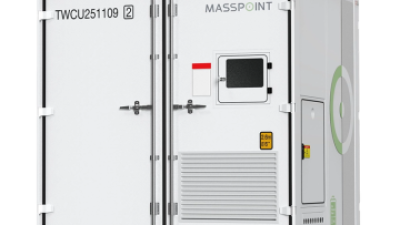
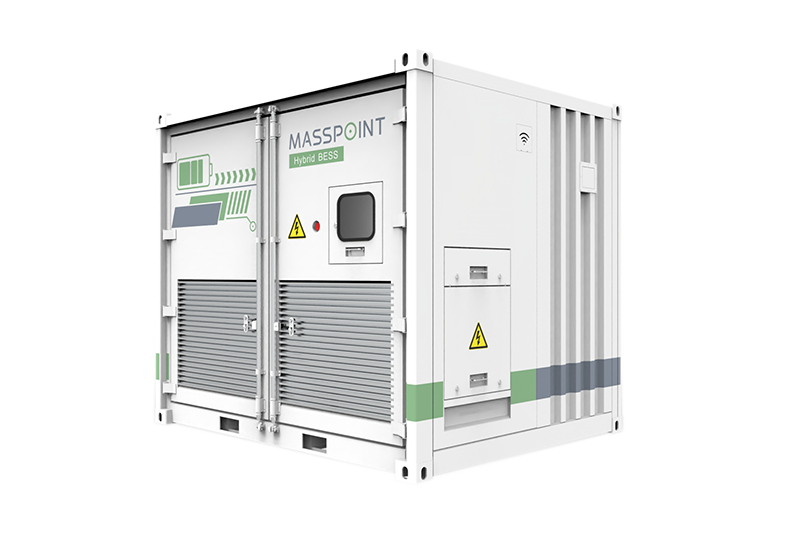
The energy storage landscape is rapidly evolving, and recent industry reports highlight the pivotal role of advanced battery systems in shaping a sustainable power future. Among these innovations, the Hexa Battery Energy Storage System (BESS) Series stands out for its robust and adaptable design, tailored to meet the energy demands of construction projects, industrial facilities, and off-grid locations. This modular system is engineered to perform reliably under harsh conditions, thus presenting a compelling alternative to traditional diesel fuel generators.
By significantly reducing fuel consumption and minimizing carbon emissions, the Hexa BESS Series aligns with global sustainability goals while enhancing operational efficiency. Its intelligent features, such as remote control capabilities and quick deployment, enable seamless integration with both generators and local power grids. This ensures continuous power provision for critical machinery and services, making it an indispensable tool in modern energy management. The system's ability to adapt to various scenarios allows it to meet diverse energy needs, reinforcing the significance of flexible energy solutions in an ever-changing market.
FAQS
: Solar off-grid systems can save buyers up to 80% on energy costs, especially in rural areas.
Households can save around $400 per year using solar power versus traditional energy sources.
These systems require little maintenance, which adds to their overall cost-effectiveness.
Buyers must evaluate initial installation costs and accurately assess their energy needs.
The carbon footprint from manufacturing solar panels can be significant. Balancing this is essential for sustainability.
Yes, they allow users to generate their own electricity, reducing reliance on traditional grids.
Initial setup costs can be high, and some users may struggle with understanding the technology.
Weather conditions can limit sunlight, impacting energy reliability and efficiency.
Incorporating battery storage is essential for maintaining power during cloudy days or at night.
Adapting lifestyle around solar efficiency can lead to long-term benefits, without sacrificing convenience.
Conclusion
Solar Off Grid Systems offer a myriad of benefits for global buyers, primarily through cost savings and enhanced energy independence. By relying on renewable energy sources, users can significantly reduce their electricity bills while enjoying the freedom from utility grid fluctuations. These systems not only promote environmental sustainability by decreasing reliance on fossil fuels but also provide security against power outages, ensuring continuous energy supply during crises.
Moreover, the scalability and flexibility of Solar Off Grid Systems allow consumers to tailor their installations according to specific energy needs and local conditions. Recent technological innovations have further improved the performance and efficiency of these systems, making them a viable option for a wider audience. As more individuals and businesses seek sustainable energy solutions, Solar Off Grid Systems are becoming an increasingly attractive choice for achieving energy self-sufficiency and resilience.

 Products
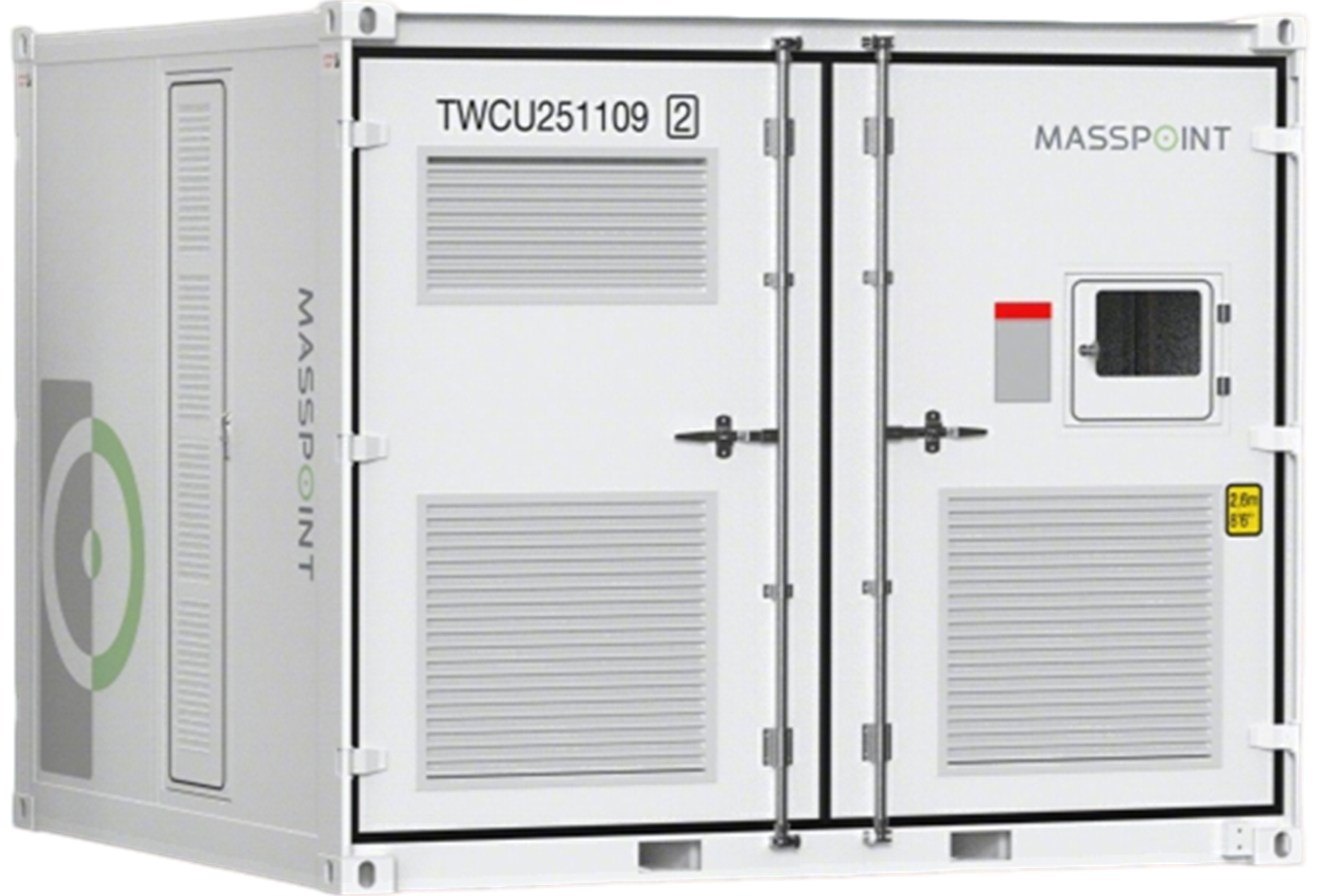 Industrial Hybrid BESS
 Hexa 125KW/241KWH-500KW/482KWH
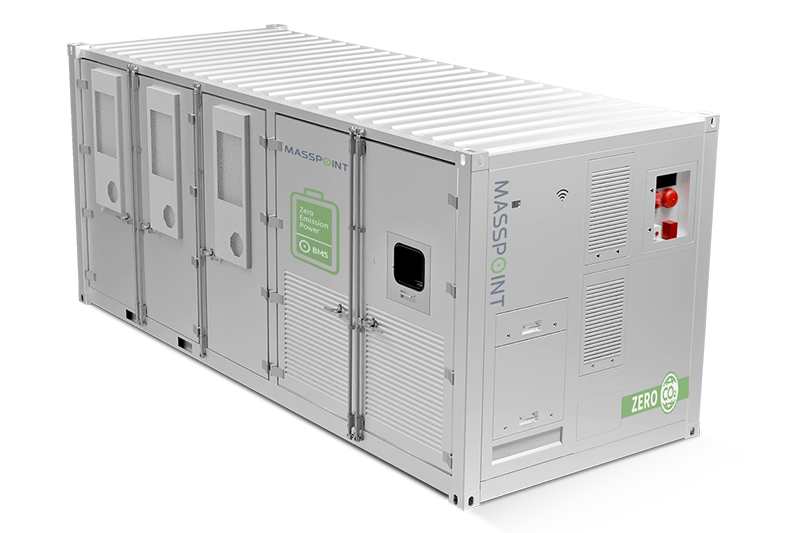 Micro-Grid BESS