 Products
 Industrial Hybrid BESS
 Hexa 125KW/241KWH-500KW/482KWH
 Micro-Grid BESS
Leave Your Message
When you're picking a BESS microgrid supplier, it's honestly not just about hunting for batteries. Buyers around the world have to match storage capacity, power controls, and service support to what the site actually needs. A factory, for instance, might just want solid backup when the grid goes down. But a remote community? They may be relying on solar power long after sunset. So the details really matter. You need a system that fits the load profile, the local climate, and the kind of maintenance skills available on-site — otherwise, it won't stick.
This guide runs through ten suppliers in the Bess microgrid market and lays out some useful things to compare. You’ll want to check their project experience, how the batteries and inverters are integrated, what monitoring tools they offer, warranty terms, and how easy it is to reach technical support. For Microgrid Solar projects specifically, it’s also worth digging into how the storage controls behave when solar output keeps changing — that can matter more than you’d think. When you're talking to suppliers, don't just take their word for it—ask for actual project references, preferably documented ones. And make them spell out the system's limitations, not just the shiny stuff. A slick brochure is nice and all, but at the end of the day, real operating data and service commitments are what actually carry the weight.
Let’s be real—there’s no such thing as a perfect shortlist. Supplier capabilities shift, regional coverage evolves, and product lines come and go. Plus, public info only gets you so far when it comes to technical questions. So treat these companies as a starting point, not a final ranking. Ask for proposals tailored to your site, double-check any assumptions about expansion and replacement parts, and don’t just look at the sticker price—factor in the total cost of ownership too. Here's an awkward truth that tends to get brushed aside: the lowest quote upfront often leaves you guessing about the services that actually matter. Doing a little comparison shopping goes a long way—you want a solution that's practical, supportable, and genuinely built for the way you work.
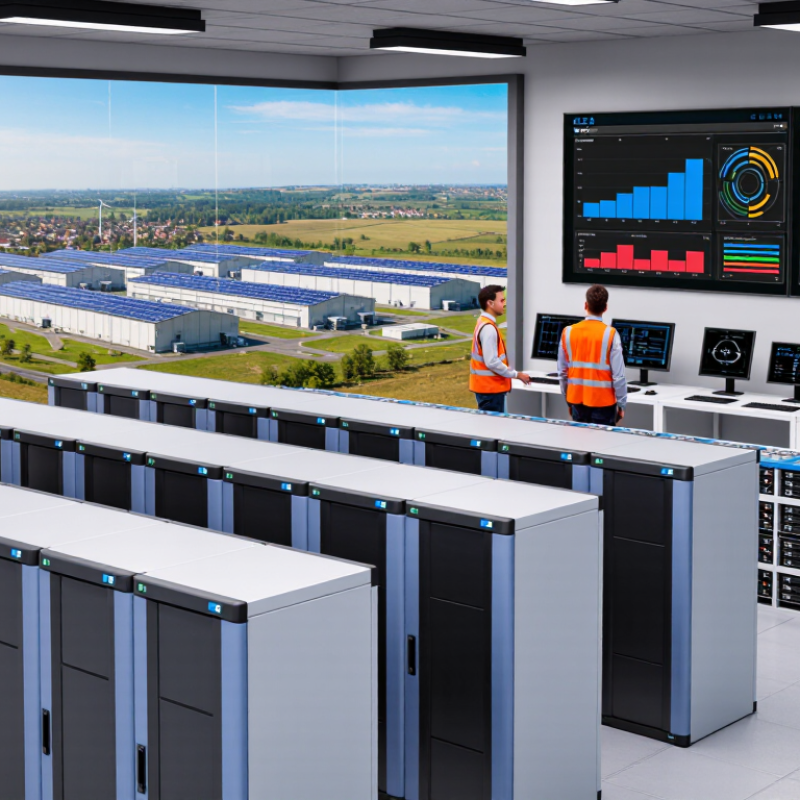
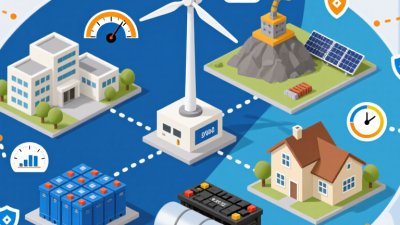
A BEss Microgrid combines battery energy storage, local electricity sources, loads, and controls within a defined electrical area. The battery stores electricity, then releases it when solar output falls or demand rises. Inverters convert battery power into usable electricity, while an energy management system balances supply and demand. During a grid outage, switches can isolate the microgrid and let it operate independently. That is islanding. A battery does not create energy; it needs a source to recharge.
The U.S. Department of Energy describes a microgrid as a controllable group of connected loads and energy resources that can connect to, or disconnect from, the wider grid. This boundary is practical: a clinic, campus, or remote worksite can prioritize critical circuits. The International Energy Agency’s 2024 Batteries and Secure Energy Transitions report says global energy storage capacity must expand sixfold by 2030 in its net-zero pathway. That signals growing need, not a guarantee that every project will be economical.
Designers size a system by both power, measured in kilowatts, and stored energy, measured in kilowatt-hours. A battery rated for high power may still run essential equipment for only a short time. Engineers should model peak loads, cloudy days, generator or renewable availability, and restart behavior. Small details matter. A poorly chosen control setting can drain reserves before the outage ends. An Ess Microgrid also needs routine testing; frankly, planned operating conditions rarely capture every awkward real-world failure.
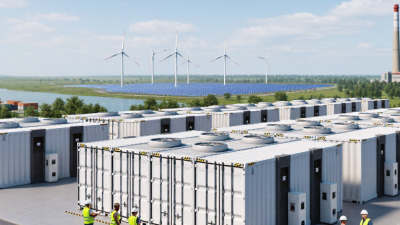
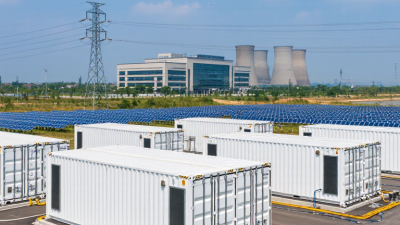
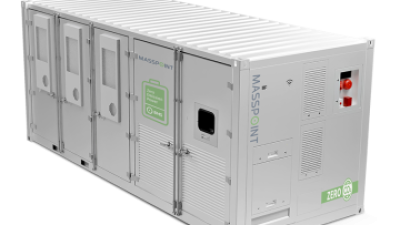
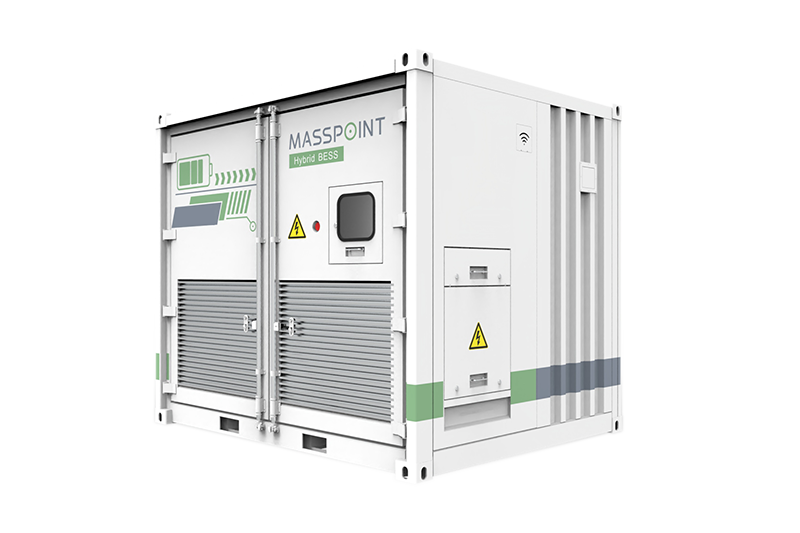
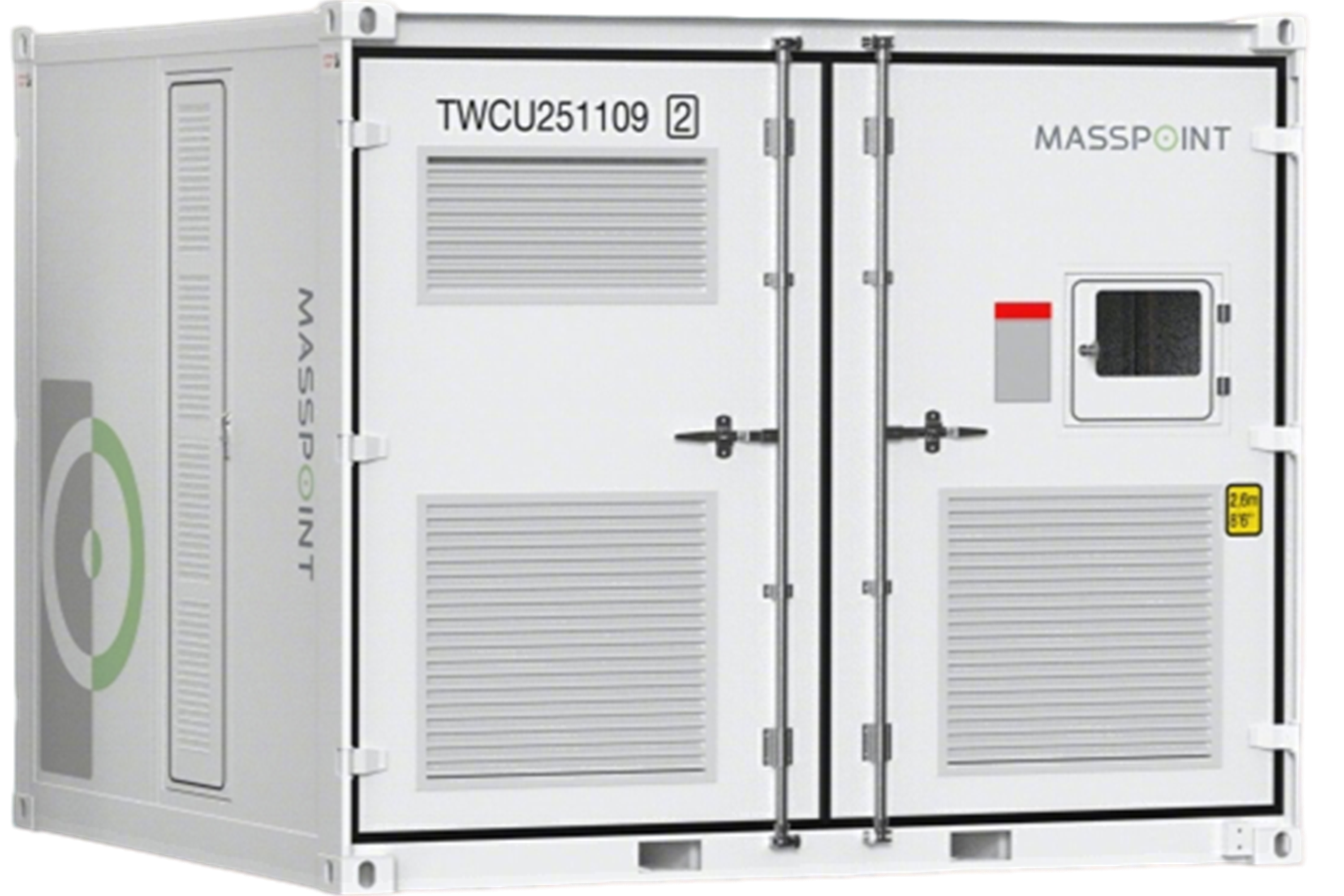
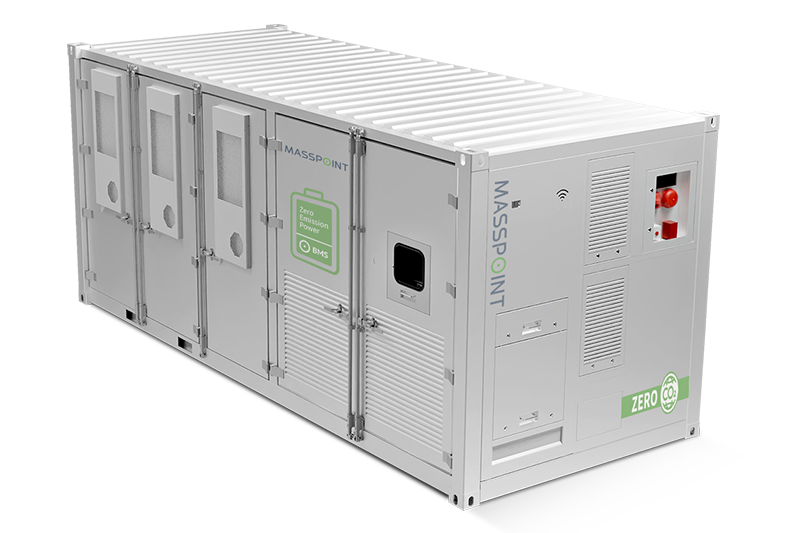
Building a cleaner, more flexible future starts with microgrids that can adapt to changing energy needs. A battery energy storage system (BESS) can work alongside solar photovoltaic panels and diesel generators to coordinate different power sources in one controllable, visualized system. Solar energy can help reduce reliance on fuel, while battery storage helps balance supply and demand and provides dependable power when sunlight is limited. This combination is especially useful for off-grid sites, locations with unstable grids, and industrial operations that need resilient energy management.
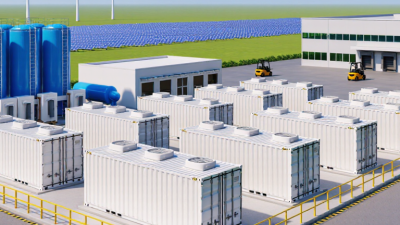
Sourced from experienced manufacturers in China, modular microgrid BESS solutions can be configured and scaled to suit different applications and capacity requirements. By managing energy sources more effectively, they can help lower emissions, noise, and fuel costs while supporting a stable electricity supply. Flexible system design also allows operators to adjust configurations as site requirements evolve, making it easier to integrate renewable generation and storage into existing operations. Clear monitoring and coordinated control provide greater visibility into system performance and help support informed energy management.
Check grid-forming controls, islanding, and black-start capability. These determine how the microgrid behaves when utility power fails.
Request references from similar climates and operating conditions. Dusty desert inverters face different demands from cold, remote sites.
Clarify who integrates the battery, power conversion equipment, controls, and backup generation. Ask for a sample commissioning plan.
Request independently verified data and factory test records. Ask how usable energy and response time are measured. Paper claims can be hard to verify.
Review coverage for temperature, cycling, degradation, and maintenance records. Check what counts as usable energy. Read the limits carefully.
Make sure it covers the full system, including enclosures, inverters, controls, and fire-response procedures. A certificate alone is not enough.
Confirm local support, spare-parts access, remote diagnostics, and written response times. Ask how support works during communication outages.
Ask about software updates, cybersecurity practices, long-term support, and site-data access. Some details may remain unclear; record the gaps and seek independent review.
A Bess Microgrid combines battery energy storage with local power generation, control systems, and connected loads to help manage electricity within a defined area. Its controls balance supply and demand, store surplus energy, and deliver stored power when needed. For global buyers, comparing suppliers involves more than battery capacity or price: system integration, project experience, scalability, monitoring capabilities, safety design, warranties, and local service all matter. Supplier capabilities can vary depending on whether a project serves a remote community, commercial site, industrial facility, or other application.
This overview presents ten supplier options without assuming that one solution fits every project. It explains how to assess reliability, safety, technical support, maintenance, and long-term service commitments, then connects those considerations to project requirements such as operating conditions, energy needs, budget, and expansion plans. A careful evaluation helps buyers identify a Bess Microgrid solution that aligns with their priorities and can support dependable, efficient power management over time.