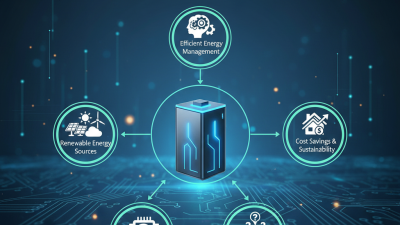
As more and more folks are looking for sustainable energy solutions, choosing the right Microgrid Battery Storage System becomes a pretty important decision. Experts like Dr. Emily Chen, who’s really well-versed in energy storage tech, often point out that, "Picking the right battery can seriously make or break your microgrid’s performance."
A lot of people tend to overlook the nitty-gritty, like battery chemistry, capacity, or lifespan. But these details actually matter a lot—they really affect how efficient your system will be and what it’ll cost you down the line. Take lithium-ion batteries, for example—they’re super popular because they're reliable, but recycling them can be a headache. So, finding that sweet spot between performance and being kind to the environment is more important than ever.
Getting a good handle on your options is key. Sometimes, it’s tempting to go for the cheapest solution out there without thinking about what you might be sacrificing in the long run. Doing thorough research and chatting with industry pros can really help cut through the confusion. Remember, understanding what your specific microgrid needs will help you make smarter decisions. In the end, the right Microgrid Battery Storage System isn’t just about performance; it’s about making your system more resilient and eco-friendly overall.

Understanding Microgrid Systems and Their Importance
Microgrid systems play a crucial role in modern energy management. These localized grids can operate independently or in conjunction with the main power grid. They enhance energy reliability and resilience, especially during outages. With the rise of renewable energy sources, microgrids are becoming more prevalent. They offer a path to sustainable energy solutions while addressing local energy demands.
Choosing the right battery storage is essential for a Microgrid Energy System. Proper storage ensures efficient energy usage and stability. Look for systems that complement renewable sources. Lithium-ion batteries are popular for their efficiency and lifespan. Yet, consider the environmental impact and recycling options. It’s vital to think long-term when selecting a battery type.
Tip: Assess the energy needs of your community before deciding on a storage solution.
Often, understanding the unique characteristics of your area can guide your choices. Not every solution fits every situation. That's why evaluating the reliability of the technology you choose is important. Look for reputable references and case studies.
Tip: Regular maintenance checks can extend battery lifespan. This practice saves costs in the long run and promotes efficiency.
Investing in a microgrid energy system requires thoughtful consideration of various factors. The interaction between sustainability and technological viability should guide your decisions. Keep in mind that no single system is perfect; flexibility is key.
Key Factors to Consider in Battery Storage System Selection
When selecting a battery storage system for a microgrid, several key factors need consideration. Capacity is critical. This defines how much energy the battery can store. Understand your energy needs prior to making a choice. An oversized system may lead to wasted resources, while an undersized one may result in energy shortages.
Another essential aspect is the battery’s lifespan and degradation rate. Some batteries lose capacity quicker than others as they age. A system that degrades faster may not be cost-effective in the long run. Evaluating warranties can provide insights into the expected lifespan. It is essential to assess reliability. A dependable Battery Microgrid is crucial to maintain energy flow for necessary operations.
Cost per kilowatt-hour also influences selection. Higher upfront costs can be deceptive. A cheaper battery might lead to higher operational costs over time. Industry experience indicates balancing initial investment with future savings is key. Lastly, consider environmental impact. Batteries with eco-friendly materials can aid sustainability efforts. This consideration reflects the growing emphasis on renewable energy solutions. Select wisely and have a system that aligns with your goals.
How to Choose the Best Microgrid Battery Storage System? - Key Factors to Consider in Battery Storage System Selection
| Criteria |
Description |
Importance Level (1-5) |
| Battery Chemistry |
Type of battery used (Lithium-ion, Lead-acid, etc.) |
5 |
| Capacity |
Total energy storage capacity, measured in kWh |
5 |
| Cycle Life |
Number of charge/discharge cycles before significant capacity loss |
4 |
| Efficiency |
Energy efficiency during charging and discharging |
4 |
| Cost |
Initial purchase price and total lifecycle cost |
5 |
| Temperature Range |
Operating temperature range for optimal performance |
3 |
| Safety Features |
In-built safety mechanisms to prevent hazards |
5 |
| Scalability |
Ability to expand the system capacity as needed |
4 |
Types of Battery Technologies Used in Microgrid Systems
When evaluating battery technologies for microgrid systems, several key options stand out.
Lithium-ion batteries are commonly favored for their high energy density and efficiency.
They offer a cycle life of about 2,000 to 5,000 cycles, making them a reliable choice.
According to the International Energy Agency, the cost of lithium-ion batteries has dropped by nearly 90% since 2010, enhancing their potential for widespread deployment.
However, issues related to resource extraction and recycling pose challenges.
Lead-acid batteries are traditional yet still in use. They are cost-effective and well-understood but have a limited cycle life averaging around
1,000 cycles. Their lower efficiency comes with concerns about environmental impact.
Emerging technologies, such as flow batteries, show promise due to their scalability and long lifespan.
Flow batteries can achieve tens of thousands of cycles, which is appealing for long-term energy storage.
However, they currently face limitations in energy density and higher upfront costs.
Emerging alternatives, such as sodium-ion batteries, offer potential benefits.
They use abundant resources, reducing supply chain risks. Yet, they are still in the developmental phase, requiring further research to ensure reliability.
As the market evolves, stakeholders must weigh these options and continuously re-evaluate their effectiveness.
Each technology presents unique challenges and opportunities for future microgrid developments.
Evaluating Energy Capacity and Power Output Requirements
When evaluating energy capacity for a microgrid battery storage system, it's crucial to assess both energy capacity and power output requirements. Energy capacity is often measured in kilowatt-hours (kWh), representing how much energy the battery can store. For example, a facility with a peak demand of 100 kW might need a battery system with at least 400 kWh to last through a four-hour outage. Industry reports indicate that demand for battery storage is expected to reach 1,200 GWh globally by 2030, underlining the importance of proper capacity planning.
Power output is equally important. It determines how quickly a battery can discharge energy. If your microgrid relies on Microgrid Solar, peak power outputs during sunlight hours must be factored in. A mismatch between power output and energy capacity could lead to shortages during crucial times. Data shows that 73% of developers believe that optimizing power output leads to better overall system performance.
Battery technologies vary significantly, making it essential to understand their specifications. Lithium-ion batteries, for example, might offer high energy density, but they can also be expensive. On the other hand, flow batteries are gaining traction for their longevity and scalability, yet they often have lower energy densities. Navigating these choices requires careful analysis of both current needs and future scalability.
Assessing Cost-Effectiveness and Return on Investment
When evaluating a microgrid battery storage system,
cost-effectiveness is key. Analyze initial investments versus long-term savings. Assess the battery's
capacity and lifespan. A reliable system can significantly reduce energy costs over time. Yet,
installation expenses can be steep. Understanding your current energy usage can clarify your needs.
Return on investment (ROI) should be scrutinized closely. Calculate the payback period.
It’s essential to factor in maintenance costs and potential
government incentives. These can influence the overall financial picture. A well-chosen system may pivot
from expenses to savings in just a few years.
Researching user experiences adds another layer
of depth. Online forums and studies can reveal real-world performance. You may find that some systems
underperform. Gather feedback on reliability and efficiency. Reflection on various options helps in
making informed choices. Your decisions today will shape your
energy landscape for years to come.
Maintenance and Lifespan Considerations for Battery Systems
When selecting a microgrid battery storage system, maintenance and lifespan are crucial factors. Regular maintenance ensures peak performance. According to a recent industry report, improperly maintained battery systems can lose up to 30% of their efficiency. Moreover, the lifespan of battery systems often depends on usage patterns and environmental conditions. Most lithum-ion batteries last between 10 to 15 years, but extreme temperatures can significantly shorten this lifespan.
Always check the state of charge (SOC) and state of health (SOH) periodically. This practice allows early detection of issues. Consider scheduling professional inspections every six months. Monitoring software can also help track performance metrics and alert users to anomalies.
Tips: Opt for a battery system compatible with your environmental conditions. Assess temperature extremes and humidity levels before installation. Invest in quality cooling systems to enhance battery longevity. Additionally, remember that while initial costs can be high, quality battery systems often result in lower long-term maintenance expenses. With careful planning and maintenance, you can ensure your Ess Microgrid operates efficiently for years to come.
Integration and Compatibility with Existing Microgrid Infrastructure
When selecting a microgrid battery storage system, integration and compatibility with existing infrastructure are crucial. A seamless connection ensures that energy flows efficiently. It is essential to assess how the new system will interact with current setups. Compatibility includes both hardware and software components.
Consider existing energy sources, like solar or wind. The chosen battery must work well with these systems. Evaluate the current control systems too. They should communicate with the new battery solution for optimal performance. Additionally, think about future expansions. If the microgrid grows, will the storage system adapt? Compatibility plays a significant role in the long-term success of microgrid projects.
Analyzing data from past implementations can be beneficial. Learning from successes and mistakes of others offers valuable insights. Engage with professionals who have installed similar systems. Their experiences can guide you in choosing the right battery solution. Integration challenges often arise, so proactive planning is essential to avoid costly adjustments later.
Microgrid Battery Storage System Comparison
This bar chart compares the cost per kilowatt-hour (kWh) of various battery storage systems utilized in microgrid environments. It helps in understanding the financial implications of integrating each type into existing microgrid infrastructure.
FAQS
: Assess your energy needs and required capacity. Avoid oversized or undersized systems to prevent waste or shortages.
Batteries degrade differently. Some lose capacity faster, impacting long-term cost-effectiveness. Evaluate warranties for insights.
Initial costs can be misleading. A cheaper battery may incur higher operational costs. Balance investment with future savings.
Lithium-ion batteries are popular for their efficiency. Lead-acid batteries are traditional but have limited cycle life. Emerging options exist.
Energy capacity measures stored energy in kilowatt-hours. Power output determines how quickly energy is discharged, affecting system performance.
Flow batteries offer scalability and a long lifespan, suitable for long-term storage. However, their energy density is currently lower.
Conclusion
Choosing the right Microgrid Battery Storage System is crucial for optimizing energy management within microgrid systems. It is important to understand the significance of microgrids and how they enhance energy resilience. Key factors to consider when selecting a battery storage system include the type of battery technology, energy capacity, power output requirements, and the overall cost-effectiveness and potential return on investment.
Moreover, one should evaluate the maintenance needs and lifespan of the battery systems to ensure long-term reliability. Integration and compatibility with existing microgrid infrastructure are also essential to ensure seamless operation. By carefully assessing these elements, stakeholders can identify the most suitable Microgrid Battery Storage System to meet their energy goals effectively.

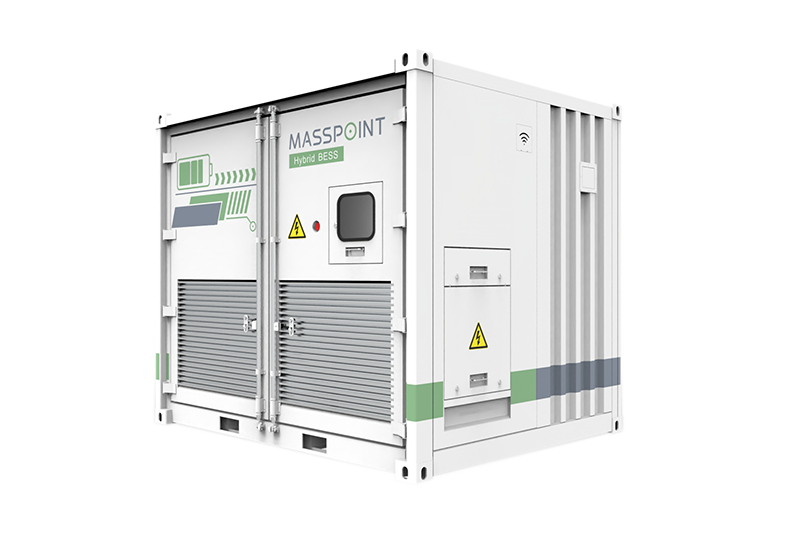 Products
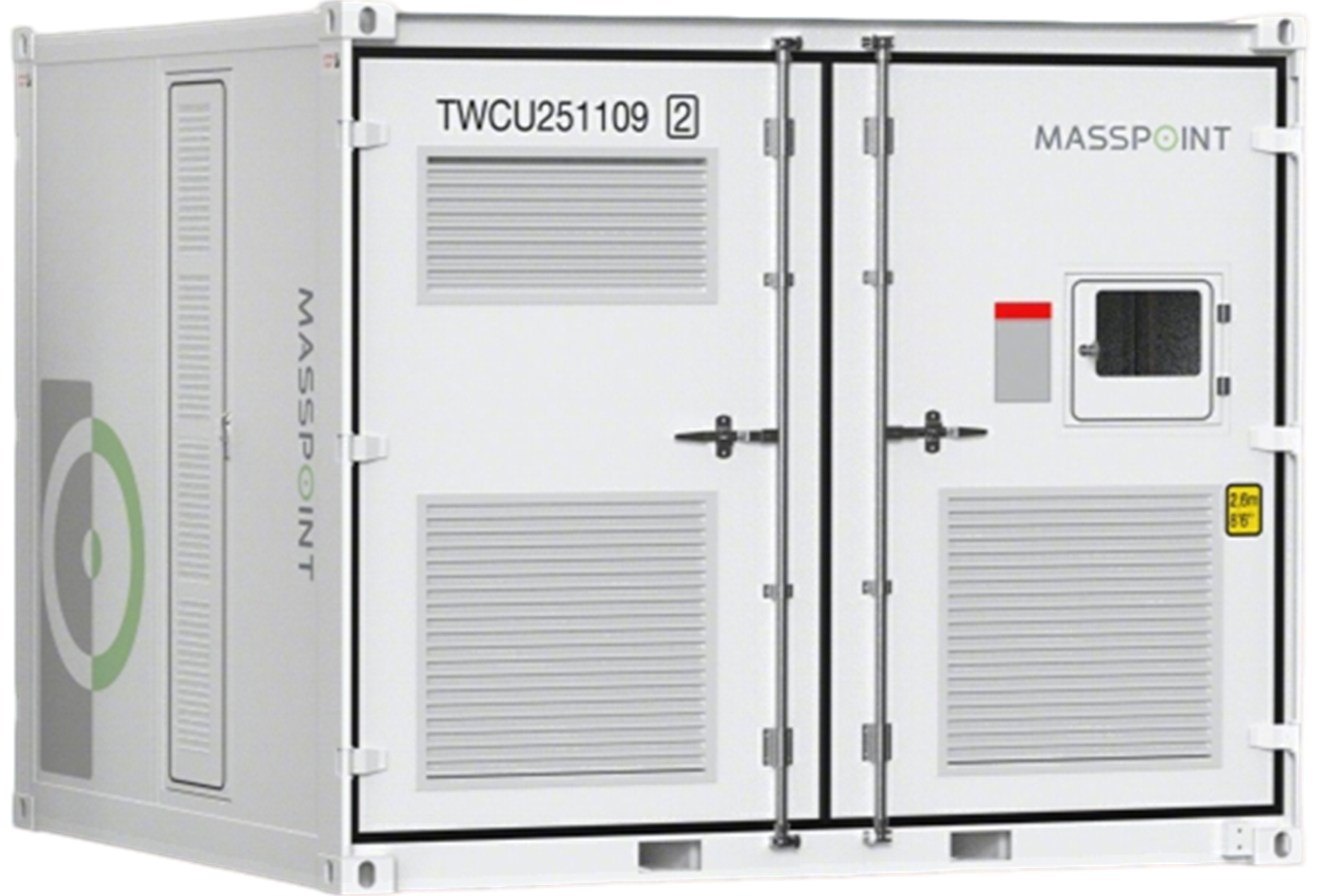 Industrial Hybrid BESS
 Hexa 125KW/241KWH-500KW/482KWH
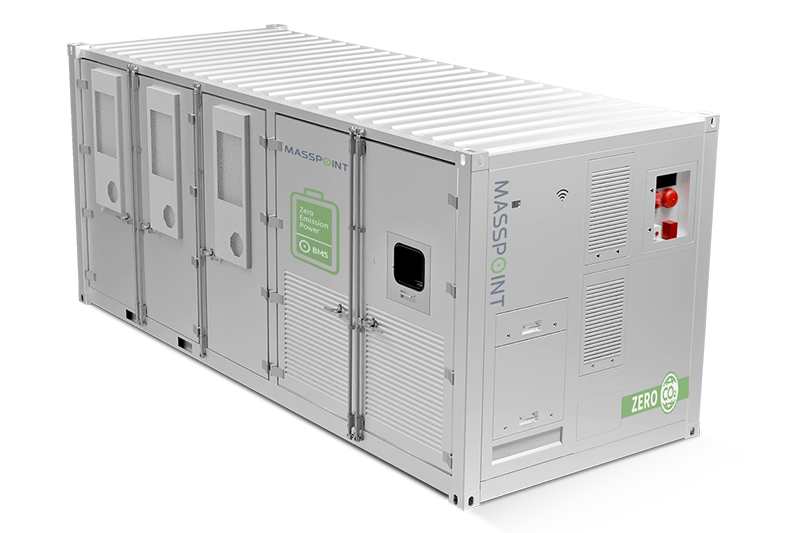 Micro-Grid BESS