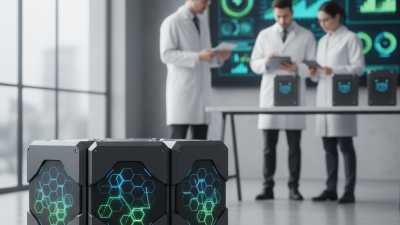
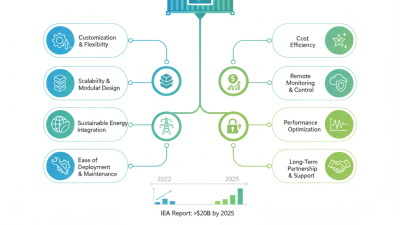
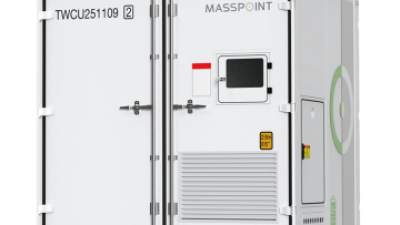
So, China’s really stepping up as a major player when it comes to developing Industrial Energy Storage Systems. These systems are actually pretty crucial for making industries more energy-efficient and sustainable. Companies like CATL and BYD are leading the charge—coming out with innovative solutions that are attracting buyers from all over the world who just want reliable energy options.
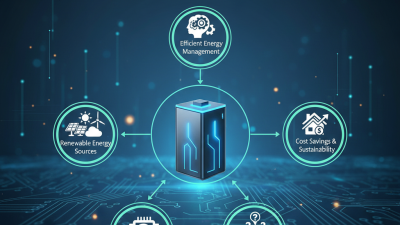
Now, these Industrial Energy Storage Systems aren’t just fancy gadgets—they actually help balance out energy supply and demand. They make it easier to incorporate renewable sources like solar and wind, so you get a steady power supply without those frustrating outages. But, honestly, navigating this market isn’t always a walk in the park. Not all systems are gonna fit every need, and there’s quite a bit of variation in quality depending on who you buy from.
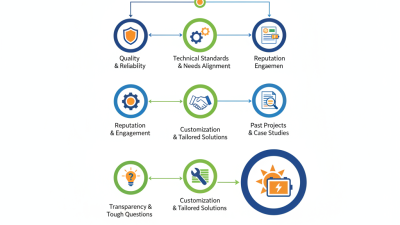
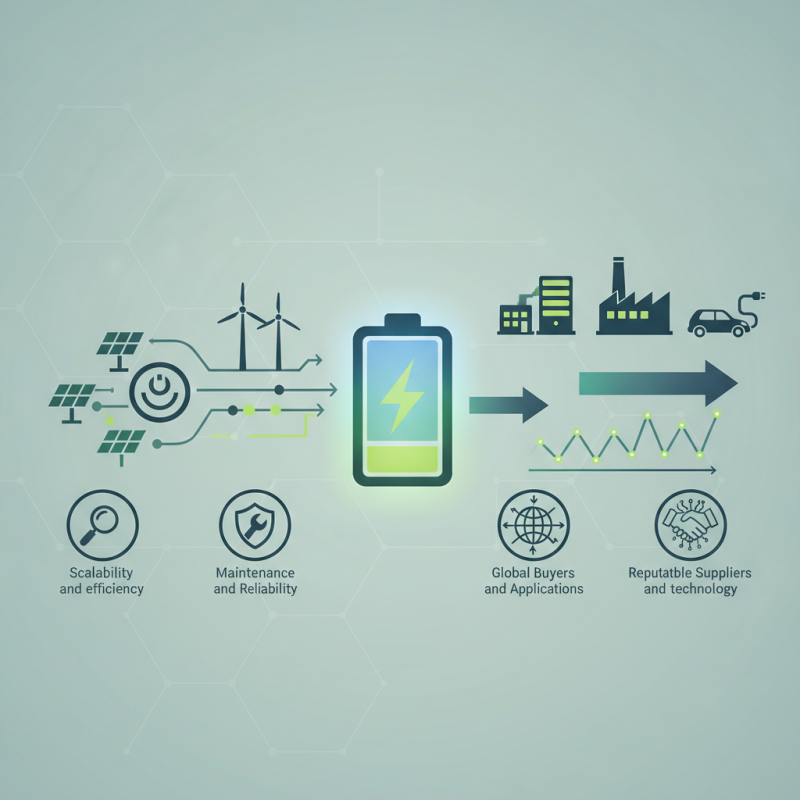
If you’re looking to pick the right system, it’s super important to really understand your specific energy needs. Think about things like whether you’ll need something scalable, how efficient it should be, and what kind of maintenance it might require. Going with reputable suppliers is definitely the way to go—this way, you get access to the latest tech and a solid investment for the long haul. All in all, China’s really got the expertise in this area, but you gotta do your homework to find the perfect fit for your situation.
China's Role in the Global Energy Storage Market
China has rapidly established itself as a leader in the global energy storage market. Its extensive manufacturing capabilities and advanced technology offer a competitive edge. The nation has invested heavily in research and development for energy systems, particularly in Industrial Battery Backup Systems. These investments enhance efficiency and reliability in energy storage solutions.
The integration of renewable energy sources is becoming crucial. China’s energy storage systems support the transition to greener alternatives. However, concerns regarding the environmental impact of battery production remain. Proper recycling methods for industrial battery backup systems are needed to mitigate these issues. Additionally, supply chain vulnerabilities could hinder growth in this sector, necessitating robust solutions.
Global buyers are increasingly looking to China for innovative energy storage options. The quality and affordability of Chinese products attract international interest. Yet, understanding the nuances of leading technologies is essential for buyers. Building trust in China’s energy storage capabilities will be key as the market evolves.
Types of Industrial Energy Storage Systems Available in China
China has become a key player in the global industrial energy storage market. Various types of Industrial Energy Storage Systems are available, catering to diverse energy needs. Among these, lithium-ion batteries are prevalent for their efficiency and scalability. According to a recent report by the International Energy Agency (IEA), lithium-ion batteries accounted for over 70% of total energy storage capacity in 2022. This rise is fueled by growing renewable energy sources and the need for grid stability.
Another option is flow batteries, which offer unique advantages. These systems allow for easy scaling and long-term energy storage. They can be a robust solution for industrial applications requiring peak shaving and load shifting. The Global Energy Storage Partnership highlights that flow batteries are gaining traction, especially in sectors like manufacturing and heavy industry.
Despite these advancements, challenges remain. Issues with recycling and lifecycle management of Industrial Battery Storage need addressing. Efficiency losses during operations also raise questions about long-term viability. Continuous innovation and better regulations can help enhance reliability and performance. Ultimately, assessing the practical application of these systems remains crucial for future energy strategies.
Key Players in China's Energy Storage Industry: An Overview
China's energy storage industry is rapidly evolving, attracting global interest. According to a report by the International Energy Agency (IEA), China is expected to account for nearly 50% of the global energy storage market by 2025. This dominance is driven by significant investments and advancements in technology.
Key players in this sector include various companies specializing in lithium-ion batteries, flow batteries, and other innovative solutions. The China Battery Industry Association reports that the lithium-ion battery market alone reached a valuation of $28 billion in 2022. This highlights the importance of research and development. However, the industry still faces challenges. Supply chain inconsistencies and environmental concerns related to battery disposal need attention.
Investors are keen on China's potential for energy storage systems. Projections indicate the market could grow by 20% annually. Yet, the rapid growth raises questions about sustainability practices and technology scalability. Balancing innovation with environmental responsibility remains a challenge for the sector.
Overview of Energy Storage System Capacities in China
Technological Innovations Driving Energy Storage Solutions in China
China has emerged as a leader in the energy storage sector, driven by innovative technologies that enhance efficiency and capacity. Recent reports indicate that the market for
Industrial Storage Batteries
is expected to grow significantly, with a projected compound annual growth rate (CAGR) of over 25% through 2027. This rapid expansion is supported by advancements in battery chemistry and management systems, allowing for greater energy density and faster charging times.
Despite these innovations, challenges remain. The cost of raw materials, such as lithium and cobalt, fluctuates, impacting overall production costs. Furthermore, recycling processes for these industrial storage batteries are not yet fully developed, raising environmental concerns. These factors indicate that while technological progress is noteworthy, the industry must address sustainability and cost-effectiveness.
China's focus on renewable energy integration also plays a crucial role in energy storage solutions. With the aim to achieve carbon neutrality by 2060, the country's strategic investments in grid-scale storage technologies are paving the way for more reliable energy management. As global demand for energy storage continues to rise, China's ongoing innovations and investments will likely shape the future landscape of this critical sector.
Market Trends: Demand and Supply of Energy Storage Systems in China
China has become a pivotal player in the global energy storage systems market. The demand for efficient energy storage solutions has surged. This growth is driven by renewable energy integration and the need for grid stability. The increasing reliance on solar and wind energy necessitates robust storage systems. However, the supply chain faces challenges. Fluctuations in raw material availability can impact production.
Energy storage systems in China are evolving rapidly. Various technologies are being explored, such as lithium-ion and flow batteries. These advancements enhance performance and reduce costs. Yet, questions remain about environmental impacts and recycling processes. Many manufacturers are seeking sustainable practices to address these concerns.
The competitive landscape of energy storage is tightening. International buyers are often keen to engage with Chinese suppliers. However, understanding local regulations and standards is crucial. This demand-supply dynamic creates opportunities but also risks. Companies must navigate these complexities to thrive in the market. The journey is ongoing, and adaptability will be key for future success.
Regulatory Framework Impacting Energy Storage Deployment in China
China's energy storage market is rapidly evolving. Regulatory frameworks significantly influence this development. Recent reports indicate that policy support boosts the deployment of energy storage systems. In 2022, the total installed capacity reached 35 gigawatts, driven largely by government initiatives.
The Chinese government aims to achieve carbon neutrality by 2060. This ambitious target fosters investment in energy storage technologies. According to the International Energy Agency (IEA), energy storage can enhance grid reliability and integration of renewable energy. Regulatory measures often define project economics. They dictate financial incentives and grid access rules.
However, the regulatory landscape is not without challenges. Complex requirements can hinder innovation. Companies often struggle to navigate the varying standards across regions. A lack of clarity in regulations may slow down project approvals. Moreover, evolving policies require ongoing adaptation from stakeholders. This creates a cycle of uncertainty that can deter investment. Continued dialogue between regulators and industry players is essential to refine these frameworks.
Considerations for Global Buyers: Choosing the Right Energy Storage System
When choosing an energy storage system, global buyers must consider several key factors. First, assess the system's capacity and efficiency. A system that matches your energy needs will mitigate losses. Understanding the technology behind the system can lead to better decisions. For instance, some systems use lithium-ion batteries, while others might employ flow batteries. Each type has distinct advantages and limitations.
Compatibility with your existing infrastructure is crucial. The storage system should seamlessly integrate with your current energy sources. Industrial Solar Solutions often provide the foundation for effective energy storage. A well-designed system ensures stability and reliability. Buyers should also analyze the system's lifecycle costs. Sometimes, systems with lower upfront costs might have higher operational expenses over time.
Additionally, consider the supplier's reputation and support services. Research their track record in the industry. A reliable supplier will offer maintenance and assistance when needed. However, not all suppliers provide the same level of service. It’s essential to ensure a thorough vetting process. Lastly, the scalability of the system plays a significant role. As energy demands grow, your storage solution should adapt without requiring a complete overhaul.
China Best Industrial Energy Storage Systems for Global Buyers
| Energy Storage Type |
Energy Capacity (kWh) |
Discharge Time (hrs) |
Round-Trip Efficiency (%) |
Lifespan (Years) |
Application |
| Lithium-ion Battery |
500 |
3 |
90 |
10 |
Commercial |
| Flow Battery |
1000 |
6 |
75 |
20 |
Grid Storage |
| Sodium-Sulfur Battery |
3000 |
8 |
85 |
15 |
Renewable Energy |
| Compressed Air Energy Storage |
5000 |
12 |
70 |
30 |
Utility Scale |
| Flywheel Energy Storage |
200 |
0.5 |
90 |
25 |
Backup Power |
Enhancing Energy Resilience: Insights from Recent Market Reports on Hexa Battery Energy Storage Systems for Diverse Applications
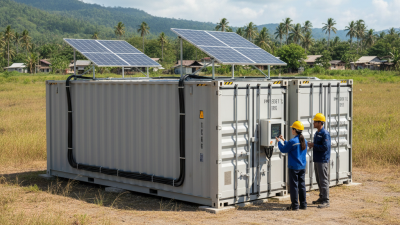
As global industries strive to enhance energy resilience, innovative solutions like advanced battery energy storage systems are transforming operational capabilities across various sectors. The recent market reports highlight the potential of modular and adaptable power solutions designed to meet the demanding requirements of construction projects, industrial facilities, and off-grid sites. These systems play a vital role in reducing reliance on diesel generators, thereby diminishing fuel consumption and decreasing environmental impact.
With features engineered for both harsh and dynamic conditions, modern energy storage systems ensure a continuous power supply for essential services and heavy machinery. Their modular architecture allows for quick deployment and flexible energy management, crucial for adapting to the varying energy needs of diverse applications. Intelligent remote control capabilities further enhance operational efficiency, enabling users to monitor and optimize performance from any location. This shift towards cleaner and quieter energy solutions is essential not only for maintaining productivity but also for promoting sustainable practices in energy-intensive industries.
FAQS
: The key types are lithium-ion batteries and flow batteries. Each has unique benefits for energy needs.
They are efficient and scalable, making them suitable for various applications. They account for 70% of energy storage capacity.
Flow batteries need efficient recycling processes and lifecycle management. They also require better efficiency for long-term use.
Technological advancements enhance efficiency and capacity. However, raw material costs can impact production expenses.
Buyers should assess capacity, efficiency, and compatibility with existing infrastructure. Stability is crucial for effective integration.
Systems with low upfront costs might incur higher operational expenses over time. It's important to analyze these costs carefully.
A reliable supplier can provide essential support and maintenance. Researching their track record is an important step.
As energy demands increase, the system should adapt without needing a complete overhaul. Scalability ensures long-term usability.
China is investing in grid-scale storage technologies, enhancing energy management and supporting carbon neutrality goals.
No, recycling processes are not fully developed, raising environmental concerns. Sustainability remains a challenge for the industry.
Conclusion
China has emerged as a significant player in the global energy storage market, particularly in the realm of Industrial Energy Storage Systems. The country offers a diverse range of energy storage solutions, including lithium-ion batteries, pumped hydro storage, and flywheel systems, catering to various industrial needs. Key players within China's energy storage industry are driving technological innovations that enhance efficiency and lower costs, making these systems more accessible for global buyers.
As demand for energy storage grows, market trends indicate a steady increase in both supply and deployment across various sectors. However, navigating the regulatory framework in China is crucial for successful investment and integration. For global buyers, it is essential to consider specific requirements and options when selecting the right Industrial Energy Storage Systems, ensuring that they align with both their operational goals and local regulations.

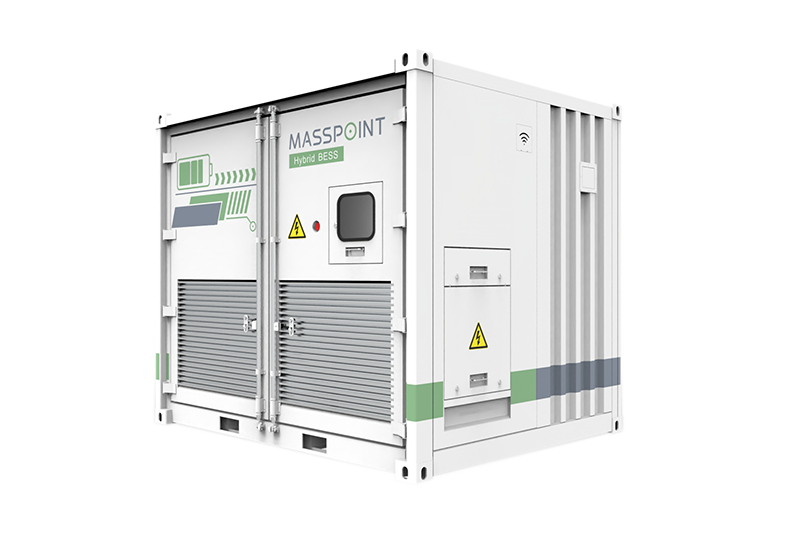 Products
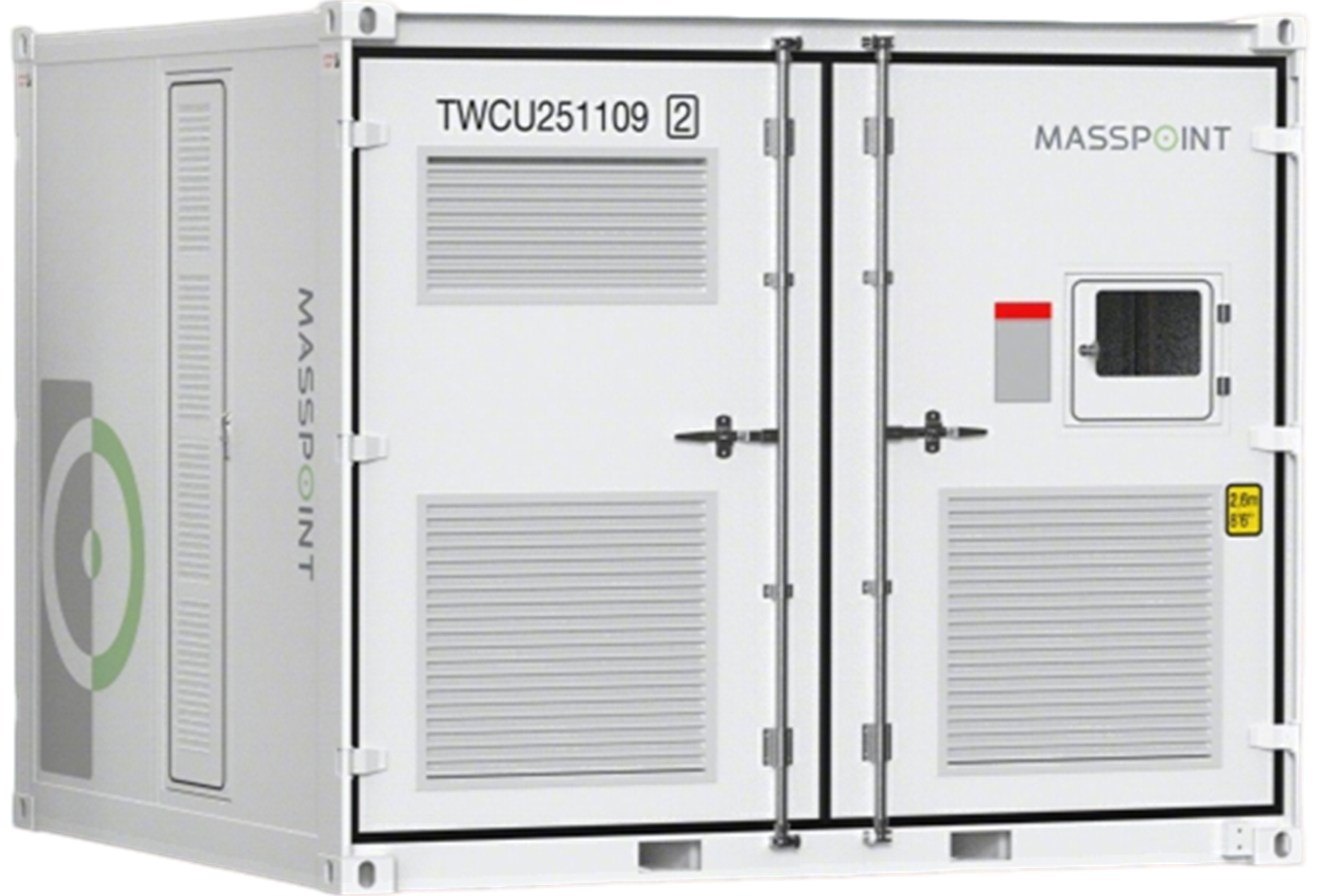 Industrial Hybrid BESS
 Hexa 125KW/241KWH-500KW/482KWH
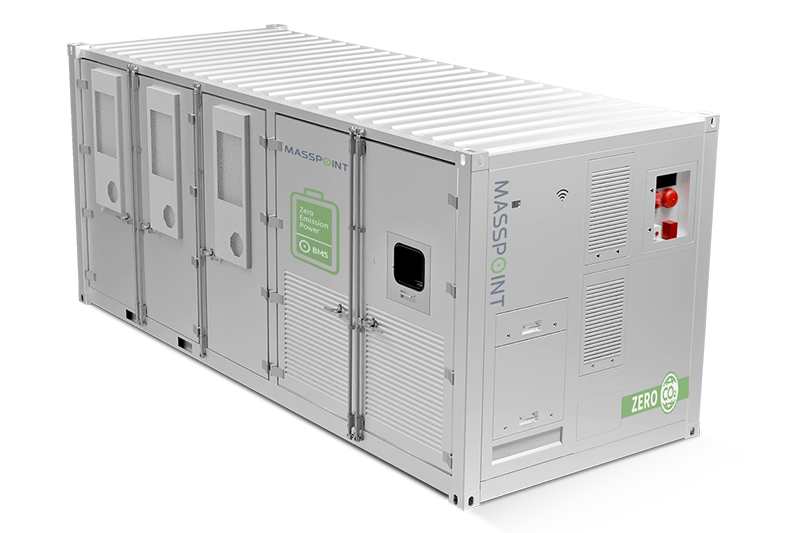 Micro-Grid BESS