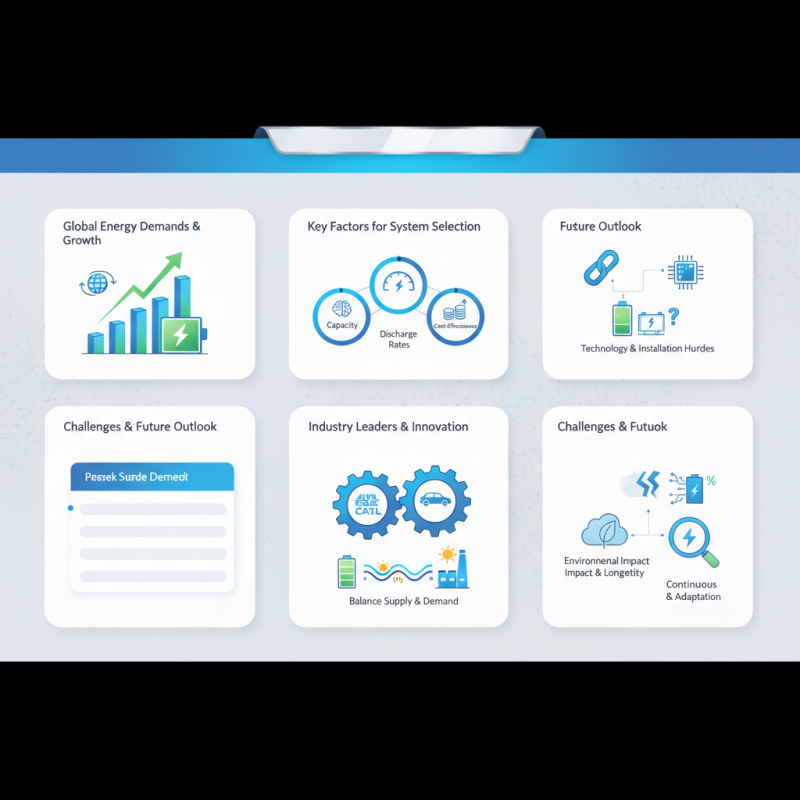
With global energy needs just skyrocketing these days, you really can't ignore how crucial Industrial Energy Storage Systems are becoming. I recently read this report from the International Energy Agency, and it’s pretty wild — they’re predicting that by 2030, energy storage capacity could hit around 600 gigawatts. That’s a game-changer for industries trying to boost efficiency and stay sustainable. Dr. Mark Chen, an expert in energy systems, even said, ‘The future of industrial operations depends on embracing advanced energy storage solutions’ — and honestly, he's not wrong about that.
Picking the right storage system is a big deal, though. It’s not just about capacity; factors like how quickly it can discharge and whether it’s cost-effective are super important too. Getting pointers from industry heavyweights like CATL and BYD can really help businesses make smarter investments. A key thing to look for in effective Industrial Battery Storage Systems is their ability to keep supply and demand in check efficiently. That said, it’s not all smooth sailing — there are still some hurdles to clear around tech and installation methods.
Plus, industries also need to think about the environmental side of things and how long these storage solutions last. Reports show that about 40% of the current systems out there could use some improvements in efficiency. As companies delve into these new techs, expect some bumps along the way. But if they stay proactive with ongoing evaluations and tweaks, they’ll be better equipped to handle the fast-changing energy landscape ahead.
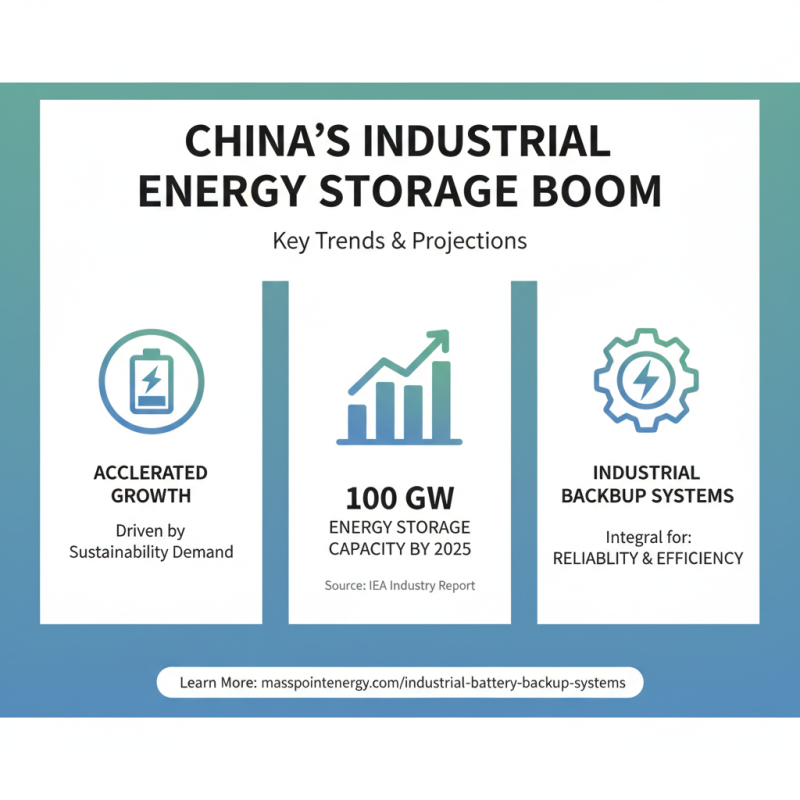
In China, the growth of industrial energy storage systems has accelerated significantly. An industry report by the International Energy Agency (IEA) indicates that energy storage capacity is projected to reach 100 GW by 2025. This surge is largely driven by the demand for sustainable energy solutions. Industrial Battery Backup Systems are now integral in this transformation, providing businesses with reliable, efficient energy solutions.
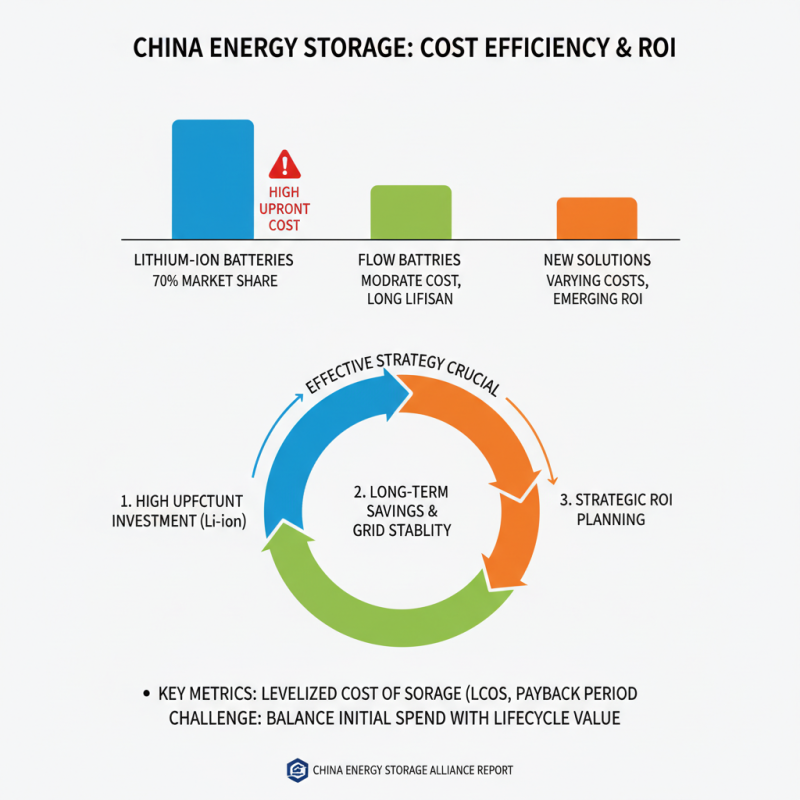
Analysts note that selecting the right energy storage system can be complex. Factors such as energy capacity, discharge rates, and cycle life must be considered. A recent study from the China Energy Storage Alliance highlights that lithium-ion systems dominate the market, accounting for over 70% of installed capacity. However, alternative technologies like flow batteries are gaining traction, mainly for their scalability and longer life spans.
Companies should also account for regulatory considerations and local energy policies. Fluctuating energy prices can impact the economics of energy storage systems. The decision-making process is nuanced, requiring a blend of technical knowledge and market insights. Organizations need to carefully evaluate their specific needs and options. Balancing cost, reliability, and environmental impact is key to making a suitable choice in the rapidly evolving market.
The energy storage market in China is rapidly evolving. Various technologies are vying for dominance, each with unique advantages. Lithium-ion batteries remain popular due to their efficiency and scalability. However, alternatives like flow batteries offer longer life cycles. Moreover, emerging technologies show promise but require further development.
Investors and businesses must navigate this complex landscape carefully. Factors like application type, energy capacity, and discharge rates are critical. A battery suited for industrial use may not perform well in residential applications. Therefore, thorough evaluation is essential. Companies should also consider regional regulations and incentives. Missteps in selection can lead to wasted resources and missed opportunities.
In the pursuit of optimal energy storage solutions, attention to detail is crucial. Stakeholders should analyze their specific needs, projected growth, and maintenance requirements. Relying solely on market trends may lead to shortsighted decisions. Continuous learning and adaptation are vital in this ever-changing environment.
| Energy Storage Type | Capacity (MW) | Energy Density (Wh/kg) | Cycle Life (Cycles) | Cost (USD/kWh) |
|---|---|---|---|---|
| Lithium-ion Battery | 100 | 150 | 2500 | 300 |
| Sodium-Sulfur Battery | 200 | 100 | 4000 | 220 |
| Flow Battery | 150 | 35 | 7000 | 400 |
| Compressed Air Energy Storage | 500 | - | 3000 | 150 |
| Flywheel Energy Storage | 50 | 70 | 20000 | 500 |
Industrial energy storage systems are vital for optimizing performance in various sectors. In China, the market is growing rapidly. A recent report suggests that by 2025, the industrial energy storage market in China is expected to exceed 40 GWh, showcasing substantial investments in energy efficiency and sustainability.
When evaluating energy storage technologies, capabilities vary significantly. Lithium-ion batteries remain dominant, accounting for over 75% of the global market. Their energy density and efficiency are major advantages. However, they also present challenges such as degradation over time and safety concerns. In contrast, flow batteries provide longer cycle life and scalability, yet their initial costs can be high. Moreover, they often require complex infrastructure.
Emerging technologies like solid-state batteries and compressed air systems are showing promise, but they still face hurdles. Solid-state batteries offer higher safety and energy density, yet production costs are currently prohibitive. Compressed air has potential for large-scale storage, although efficiency losses in conversion can be significant. Evaluating these technologies requires considering application needs, budget constraints, and long-term goals in Industrial Battery Storage.
China's energy storage market is rapidly evolving. Key players are shaping the landscape with innovative technologies and solutions. These companies are critical in developing Industrial Storage Batteries. Their market shares reflect their influence and reach. As industries push for renewable solutions, reliable energy storage is essential.
Some leading firms dominate the market, offering various systems. Each company has strengths and weaknesses. Factors like efficiency, cost, and scalability must be considered. Data shows fluctuations in market share, indicating shifting dynamics. Some players struggle to maintain their positions as new entrants emerge. It can be overwhelming to navigate these choices efficiently.
Identifying the right industrial storage batteries requires careful evaluation. Companies need to assess their energy needs and budget constraints. Collaboration with experts can lead to informed decisions. The industry's complexity may introduce challenges, but knowing the key players helps. It’s important to stay updated on the latest trends. Understanding the market is crucial for effective energy solutions.
When considering energy storage systems in China, cost efficiency and ROI are paramount. A recent report from the China Energy Storage Alliance highlights that lithium-ion batteries dominate the market, holding nearly 70% of the energy storage capacity. However, their high upfront costs can be daunting for many businesses. An effective strategy is essential to ensure that investments yield substantial returns over time.
One alternative is flow batteries. Although initially less common, they offer longer lifespan and lower operational costs than lithium-ion. According to BloombergNEF, flow batteries can reduce total lifecycle costs by up to 30%. This makes them a compelling choice for applications requiring frequent cycling, like renewable integration.
**Tips:** Consider the specific needs of your operation before selection. Evaluate both initial costs and long-term savings. A comparative analysis of different technologies can reveal unexpected benefits or hidden costs. Always assess the scalability of the chosen system to keep pace with future energy demands. Choosing the right solution is critical but can be complex. There's no one-size-fits-all answer.
Energy storage systems are crucial for balancing supply and demand in China's growing industrial sector. The regulatory framework plays a significant role in shaping their development. The government has implemented several policies that incentivize investment in energy storage. These include tax breaks, subsidies, and favorable financing options. Such initiatives encourage businesses to adopt advanced storage technologies.
However, navigating this regulatory landscape can be challenging. The rapidly changing policies can create uncertainty. Companies must stay informed about the latest regulations to make educated decisions. Additionally, regional discrepancies in incentives can complicate the selection process. Some areas may offer more significant support than others, impacting project feasibility.
Choosing the right energy storage system also involves understanding these regulatory nuances. Companies should consult with experts in the field. Thoroughly assessing local policies can lead to better investment outcomes. It's vital for businesses to reflect on the potential risks associated with regulatory changes. While the prospects for energy storage in China are promising, they require careful planning and analysis.
Future trends in industrial energy storage systems highlight a shift towards more sustainable solutions. With growing environmental concerns, industries are exploring innovative technologies. Energy storage plays a critical role in optimizing energy use. This shift often involves integrating renewable sources like solar energy.
Emerging technologies, such as advanced battery systems, are gaining attention. These systems offer higher efficiency and longer lifespan. Industries are actively seeking ways to enhance reliability and reduce costs. It is essential to align energy storage solutions with specific operational needs. This is where Industrial Solar Solutions come into play.
However, challenges remain. The initial investment for some advanced systems can be daunting. Operators must assess long-term benefits versus short-term costs. There is also a need for regular maintenance and updates. Balancing these factors requires careful planning and expertise. The evolving landscape means continuous adaptation is necessary.
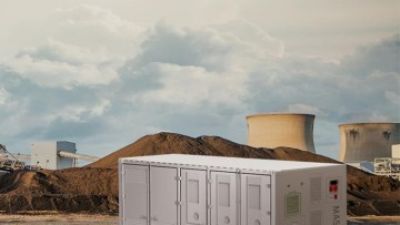
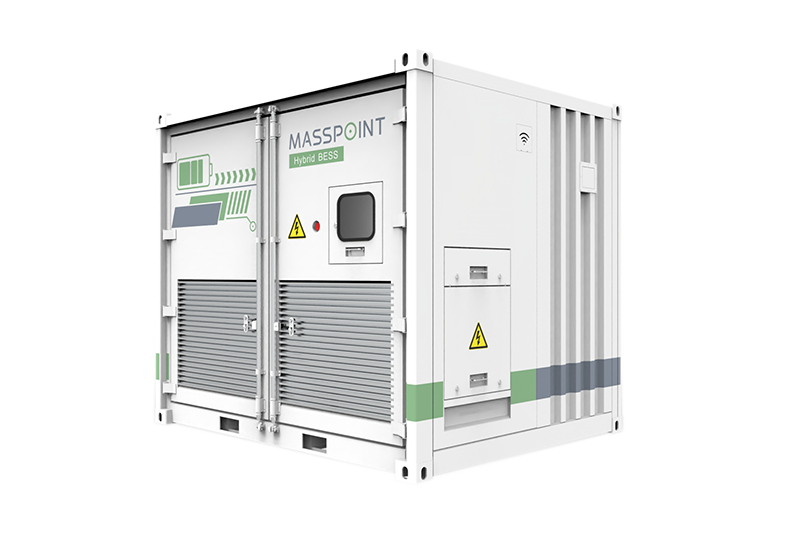
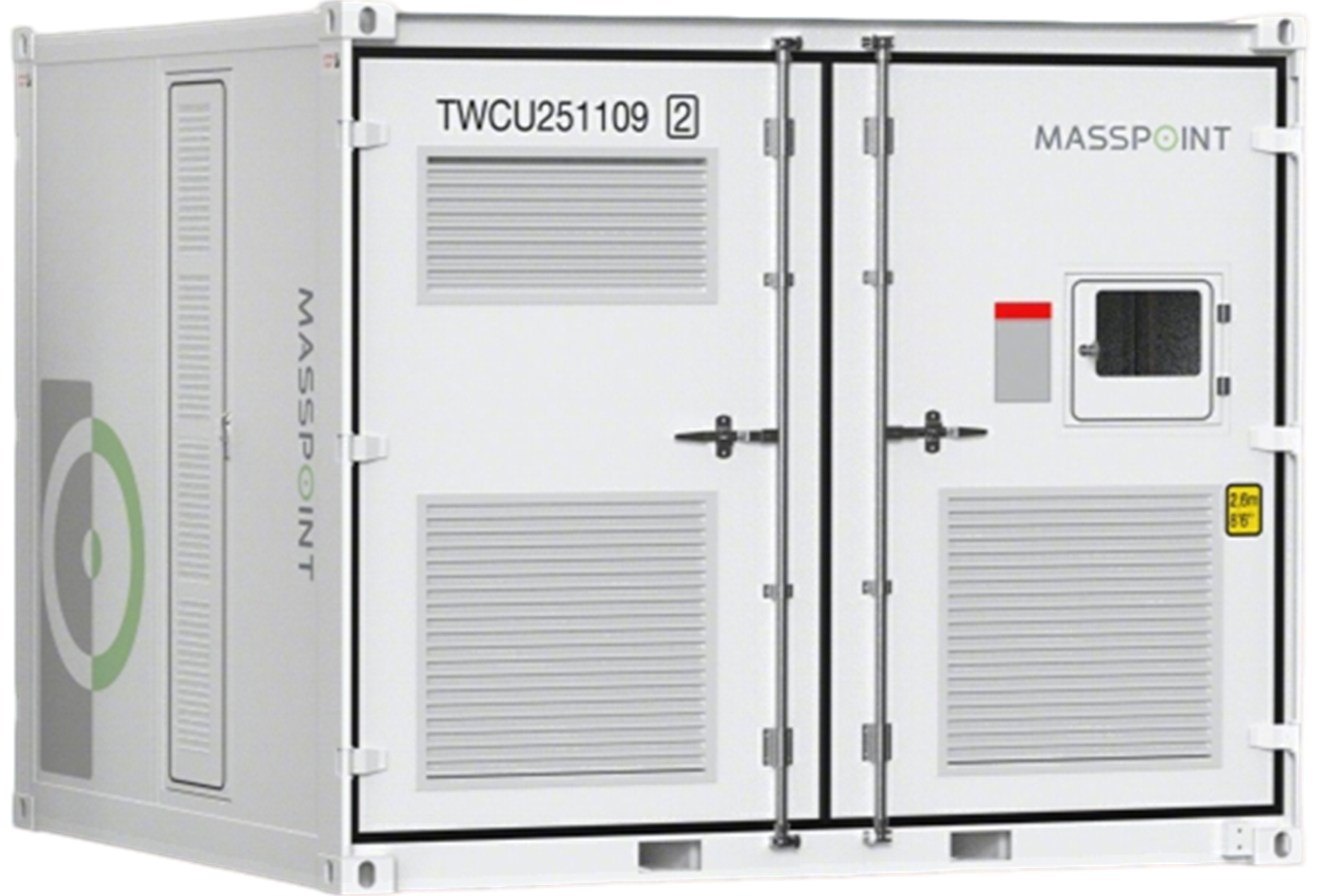
In the quest for energy efficiency and sustainability, advanced Industrial Hybrid Battery Energy Storage Systems (BESS) are emerging as pivotal solutions. These systems are designed to meet the energy storage demands of industries while addressing critical environmental challenges. By leveraging hybrid technologies, these BESS solutions not only diminish reliance on traditional diesel generators but also significantly reduce harmful emissions and fuel consumption, effectively mitigating pollution levels associated with industrial operations.
The implementation of hybrid BESS technology allows industries to optimize their energy use, enabling a seamless transition between renewable energy sources and conventional power systems. This adaptability is particularly crucial in scenarios where energy reliability is paramount. By incorporating energy storage capabilities, industries can harness cleaner energy, ensuring a consistent power supply while minimizing their carbon footprint. The benefits extend beyond environmental impact, as optimized efficiency translates into lower operational costs and enhanced resource management.
As industries strive for greater sustainability, embracing advanced BESS solutions offers a proactive approach to transforming energy practices. By adopting these innovative systems, companies can not only lead in energy efficiency but also contribute to a cleaner and more sustainable future for all.
: Lithium-ion batteries dominate, but flow batteries are also gaining popularity. Each has different advantages.
They hold about 70% of the market, but their upfront costs can be high for many businesses.
Flow batteries offer longer lifespans and lower operational costs compared to lithium-ion, potentially lowering lifecycle costs.
Flow batteries can reduce total lifecycle costs by up to 30%, especially for renewable energy applications.
Conduct a comparative analysis of different technologies and assess long-term savings and scalability before choosing.
They provide incentives like tax breaks and subsidies, encouraging the adoption of advanced storage technologies.
Rapidly changing policies create uncertainty, and regional differences in incentives can complicate project feasibility.
Yes, consulting with experts can help navigate regulatory nuances and improve investment decisions.
Businesses must reflect on evolving regulatory changes, which could impact their projects in the long term.
No, the best choice depends on specific operational needs and future demands, and it can be complex.
The article "Top Industrial Energy Storage Systems in China: How to Choose?" provides a comprehensive overview of the current landscape of industrial energy storage systems in China. It delves into various leading technologies, highlighting a comparative analysis of their features and applications. Key players in the market are identified along with their respective market shares, offering insights into the competitive dynamics of the energy storage sector.
Furthermore, the article examines the cost efficiency and return on investment associated with different energy storage solutions, guiding businesses in making informed decisions. Regulatory frameworks and incentives that support energy storage development are also discussed, reflecting the government’s commitment to advancing this sector. Finally, the article addresses future trends and innovations shaping the evolution of industrial energy storage systems, positioning them as crucial components for sustainable energy management in China.