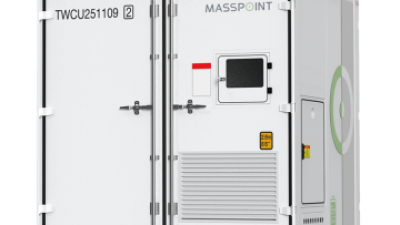
In today's super competitive world, businesses are really feeling the heat when it comes to energy challenges. That's where Industrial Energy Storage is coming into play as a pretty essential solution. More and more companies are starting to see just how important good energy management is for keeping things running smoothly. When done right, effective storage can save a bunch of money and also boost sustainability efforts.
A lot of industries deal with energy ups and downs, which can mess up their operations and end up costing them big time. Having a solid industrial energy storage system can really help smooth out those rough patches. By storing energy during off-peak times, businesses can keep the power steady and avoid those frustrating outages. Plus, it encourages smarter, more efficient energy use overall.
And with global energy demands skyrocketing, the urgency for reliable solutions isn't just a nice-to-have anymore—it’s a must. Companies should really take a hard look at their current energy strategies and consider how these storage systems could fit in. Investing now could pay off big time in the long run. Of course, navigating these systems isn’t always straightforward, so businesses need to approach it thoughtfully and carefully.
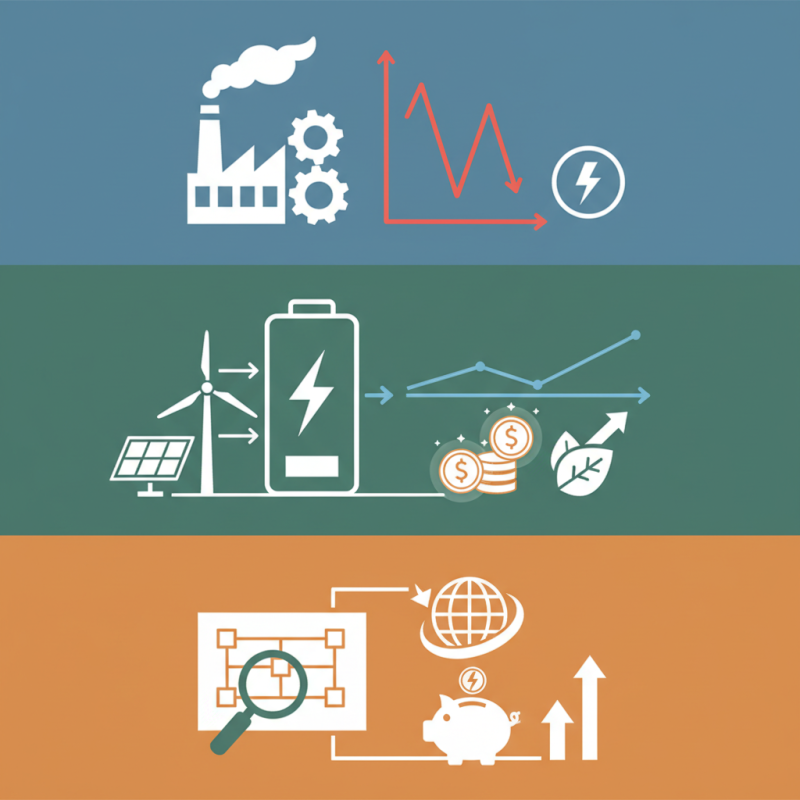
The Growing Importance of Industrial Energy Storage in Today's Market
In today’s rapidly evolving market, industrial energy storage has become a key player in business strategy. Companies face rising energy costs and demand variability, making it crucial to harness reliable energy solutions. Industrial Battery Storage Systems not only help manage these challenges, but they also enhance operational efficiency. By storing excess energy during off-peak times, businesses can reduce costs and ensure a consistent power supply during peak periods.
The transition to renewable energy sources, like solar and wind, is accelerating. However, the intermittent nature of these sources can cause disruptions. Industrial Battery Storage Systems address this inconsistency. They provide a bridge, capturing energy when production exceeds consumption and releasing it when needed. This capability allows businesses to shift toward greener practices without compromising reliability.
Despite the advantages, some companies hesitate. Concerns about initial investment costs and integration can be daunting. However, the long-term benefits often outweigh these challenges. Energy storage can lead to significant savings over time, boosting overall competitiveness. As industries become more conscious of sustainability, embracing industrial energy storage is no longer optional but essential for success.
Key Benefits of Energy Storage for Cost Reduction and Efficiency
Energy storage systems play a critical role in enhancing the efficiency and cost-effectiveness of industrial operations.
By integrating energy storage solutions, businesses can manage peak demand more effectively.
This leads to reduced energy costs during high usage times.
Furthermore, energy storage allows companies to optimize their energy consumption patterns, aiding in lowering overall operational expenses.
Another significant benefit is the ability to leverage renewable energy sources.
Storing excess energy during low-demand periods can offset consumption when energy prices are higher.
This flexibility creates opportunities for enhanced profitability. However, not all businesses are equipped to implement such systems effectively.
Many lack the expertise or initial investment needed. It’s crucial to evaluate the long-term benefits against these initial hurdles.
Adopting energy storage technology can enhance reliability.
Industries face unpredictable energy supply issues and outages. Relying solely on the grid can be risky.
With energy storage, operations can maintain continuity even during power interruptions.
Yet, companies must reflect on their energy needs and infrastructure capabilities.
Embracing this technology can be a game-changer, but it requires careful planning and execution.
How Energy Storage Supports Renewable Energy Integration
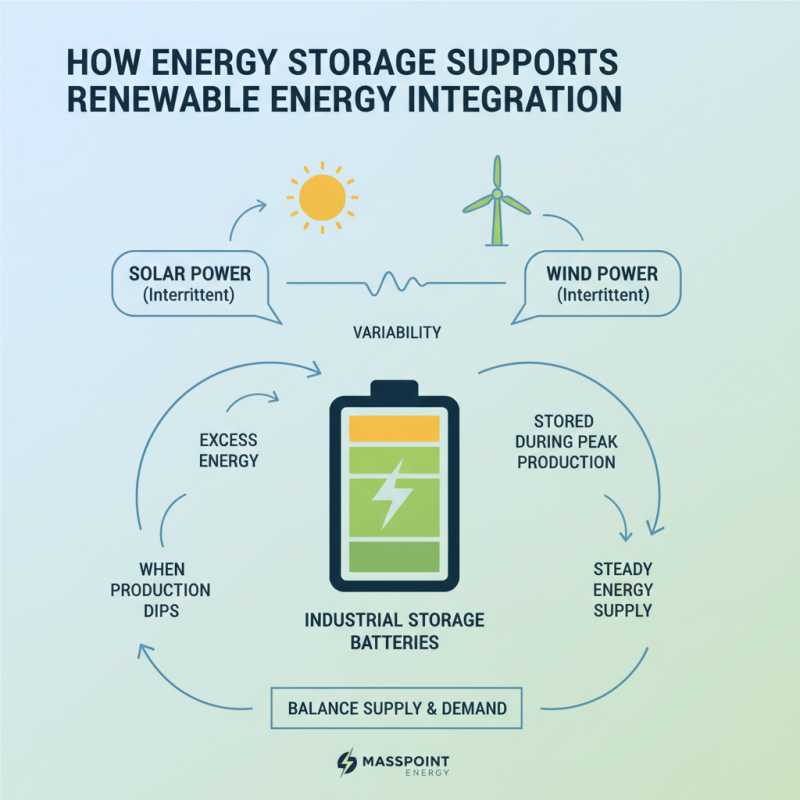
Energy storage plays a crucial role in integrating renewable energy sources. Both solar and wind power are intermittent. This variability can lead to challenges in energy supply and demand balance. Industrial Storage Batteries provide a solution. They allow businesses to store excess energy generated during peak production times. This stored energy can then be used when production dips, ensuring a steady supply.
According to the U.S. Department of Energy, energy storage capacity is projected to reach 239 gigawatts by 2030. This represents a substantial growth opportunity for industries aiming to adopt renewable energy systems. With proper energy storage solutions, businesses can reduce greenhouse gas emissions and lower energy costs. Industrial storage batteries enable companies to rely less on fossil fuels, thus supporting a sustainable future.
However, implementing energy storage comes with challenges. Not all businesses are equipped to integrate these systems effectively. High initial costs and technical expertise are necessary. Moreover, regular maintenance and updates are vital for optimal performance. Companies must be committed to overcoming these hurdles to reap the benefits of energy storage and renewable energy integration.
Impact of Energy Storage on Grid Reliability and Resilience
Energy storage plays a crucial role in enhancing grid reliability and resilience. As businesses face increasing energy demands, effective storage solutions can help balance supply and demand. This balance aids in reducing outages and improving overall efficiency.
Implementing industrial energy storage can provide backup power during peak times. It helps stabilize the grid against fluctuations in energy supply. For industries relying on renewable sources like solar energy, storage systems can store excess energy generated during peak sunshine hours. This stored energy is invaluable when the sun isn't shining, ensuring uninterrupted operations.
Tips: Regularly assess your energy needs. Understand when your peak usage occurs. Consider how
Industrial Solar Solutions
can align with your energy storage for optimal results. Also, keep an eye on technological advancements that may enhance your energy solutions. While energy storage offers many benefits, integrating it requires careful planning and consideration.
Case Studies: Businesses That Thrived with Energy Storage Solutions
Energy storage solutions have proven vital for various industries. One compelling case study is a manufacturing company that implemented battery storage systems. The firm reduced energy costs by 30% during peak hours. They also improved their resilience against outages. Their investment led to a noticeable boost in overall operational efficiency.
Another example can be found in the retail sector. A prominent retail chain utilized solar energy storage. By capturing solar power generated during the day, they powered stores during night hours, achieving a 25% reduction in energy expenses. They shared insights showing substantial savings can enhance profit margins significantly.
Despite these successes, not all energy storage implementations are flawless. Some companies faced challenges integrating systems with existing infrastructure. Additionally, initial investment costs can be daunting. Industry reports suggest that while energy storage can yield long-term benefits, short-term hurdles may require strategic planning and evaluation. Companies must weigh potential savings against upfront costs.
Regulatory Incentives and Financial Support for Energy Storage Adoption
Regulatory incentives play a crucial role in promoting energy storage solutions. Governments worldwide recognize the need for cleaner and more sustainable energy options. They offer financial support, tax breaks, and grants to encourage businesses to adopt energy storage systems. This support reduces upfront costs significantly, making it easier for companies to invest in these technologies.
Energy storage not only helps save costs but also enhances reliability. By storing excess energy during low demand periods, businesses can tap into this resource when energy prices peak. This strategy is especially vital for industries reliant on consistent energy supply. However, many companies remain unaware of the financial assistance available to them. They often hesitate due to the initial investment required.
Additionally, navigating regulatory frameworks can be complex. Many companies may find themselves overwhelmed by changing policies. It’s crucial to stay informed about local regulations and take advantage of available support. Companies might miss out due to a lack of understanding or resources to explore these options effectively. With a little research, businesses can gain a competitive edge and contribute to sustainable growth.
Future Trends in Industrial Energy Storage Technologies and Innovations
The future of industrial energy storage is rapidly evolving. Innovative technologies are reshaping how businesses manage energy resources. According to a recent report by the International Energy Agency (IEA), energy storage capacity is expected to increase eightfold by 2030. This shift will largely be driven by advancements in battery technologies, such as lithium-ion and solid-state batteries. With costs significantly decreasing—by nearly 90% over the last decade—companies are more encouraged to invest in these systems.
Emerging trends reveal a growing focus on hybrid systems combining various energy sources. Integrating Industrial Solar Generators with energy storage solutions offers a reliable power supply. This combination provides businesses with flexibility and resilience, crucial for operations. A report from BloombergNEF highlights that by 2025, nearly 10% of industrial energy needs could be met through these integrated systems. However, challenges remain regarding the initial investment and long-term viability of these technologies.
Another noteworthy trend is the push for sustainable practices. Companies are increasingly adopting energy storage to reduce their carbon footprints. Nearly 60% of businesses see energy storage as essential to meet sustainability goals. Yet, the efficiency of these technologies can vary, raising questions about their reliability and long-term performance. As industries navigate these changes, ongoing evaluation and adaptation will be key.
Investing in state-of-the-art energy storage is not just a trend; it is becoming a necessity for future-proofing operations.
Maximizing Efficiency and Sustainability with Hexa Battery Energy Storage Systems for Diverse Applications
In today's rapidly evolving energy landscape, maximizing efficiency and sustainability is critical across various applications, particularly in construction, heavy industry, and off-grid operations. Energy storage systems play a pivotal role in this transformation by reducing reliance on fossil fuels and enhancing operational efficiency. A significant transition is observed with energy storage technologies that can minimize diesel dependency. Reports indicate that integrating advanced energy solutions can decrease overall fuel consumption by up to 30%, thereby reducing both carbon emissions and operational noise, which are essential considerations for modern projects.
Modular energy storage systems are engineered to adapt to harsh conditions, delivering robust solutions for demanding environments. The flexibility of these systems allows for quick deployments and seamless integration with existing infrastructure, such as generators or local grids. This interoperability is crucial for ensuring continuous power supply to both heavy machinery and critical services, reflecting a shift in how energy is consumed and managed. The ability to utilize smart remote control functionalities not only streamlines energy management but also promotes cleaner and quieter operations, with potential noise reduction observed by approximately 50% in comparable setups.
Furthermore, as companies strive for sustainability, the need for scalable energy management solutions becomes increasingly apparent. Energy storage systems that offer flexibility and efficiency can significantly contribute to operational goals while adhering to stricter environmental standards. Industry analyses suggest that such systems not only improve productivity but also provide a strategic advantage by aligning energy consumption with renewable sources, paving the way for a sustainable future in various sectors.
FAQS
: Energy storage can reduce energy costs, improve resilience to outages, and enhance operational efficiency.
They achieved a 30% reduction in energy costs during peak hours.
Yes, one retail chain reported a 25% reduction in energy expenses through solar energy storage.
Some struggle with integrating new systems into existing infrastructure and the initial investment costs.
Yes, governments offer tax breaks, grants, and other forms of financial support.
Many are unaware of financial assistance or overwhelmed by the initial investment requirements.
By storing excess energy, businesses can utilize it when prices are high, saving costs.
Yes, understanding local regulations can help companies take advantage of available support.
A lack of understanding or resources often leads companies to miss out on beneficial opportunities.
No, while they can yield long-term benefits, short-term challenges may require careful planning.
Conclusion
Industrial Energy Storage is becoming increasingly vital for businesses as it offers numerous advantages that drive efficiency and cost reduction. In today’s dynamic market, companies are leveraging energy storage solutions to optimize operations, support renewable energy integration, and enhance grid reliability. These systems enable businesses to store excess energy during off-peak times and utilize it when demand is high, ultimately reducing energy costs and boosting operational efficiency.
Moreover, with the growing emphasis on sustainability, energy storage facilitates a smoother transition to renewable energy sources, allowing organizations to meet regulatory requirements and capitalize on financial incentives for adopting clean technologies. As evidenced by various case studies, companies that have implemented Industrial Energy Storage solutions not only thrive in their respective industries but also contribute positively to the grid's resilience. Looking ahead, advancements in energy storage technologies promise to further transform the industrial landscape, making it essential for forward-thinking businesses to embrace these innovations for sustained success.

 Products
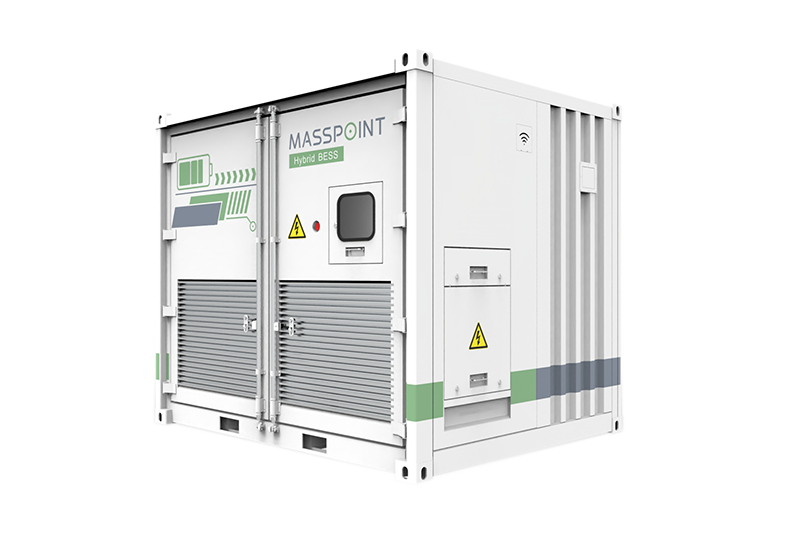
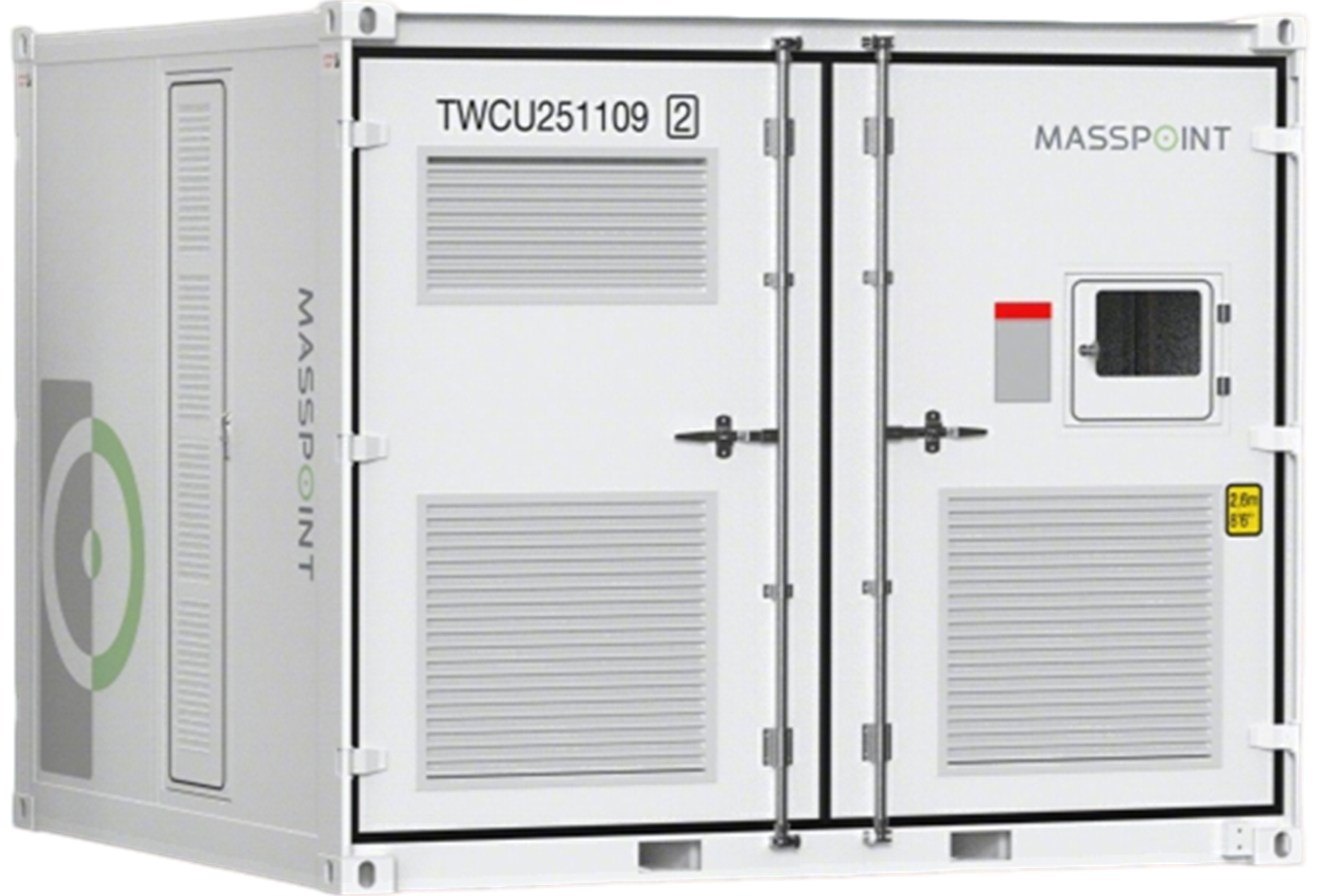 Industrial Hybrid BESS
 Hexa 125KW/241KWH-500KW/482KWH
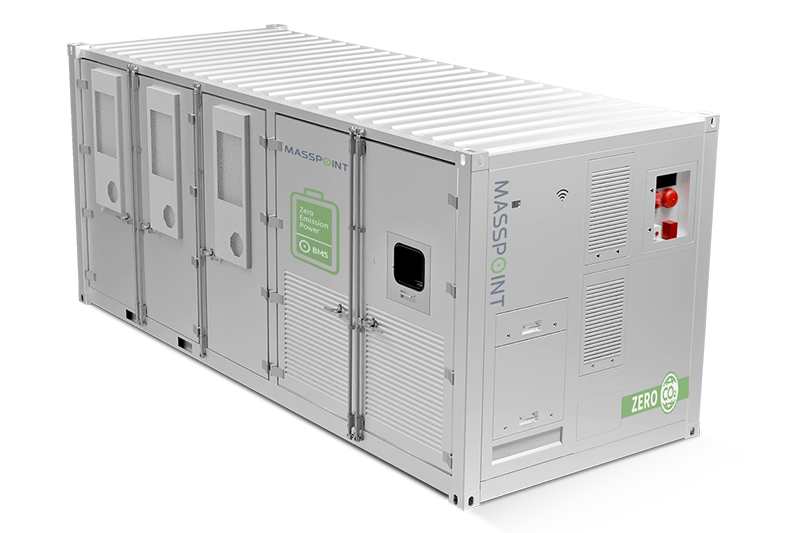 Micro-Grid BESS