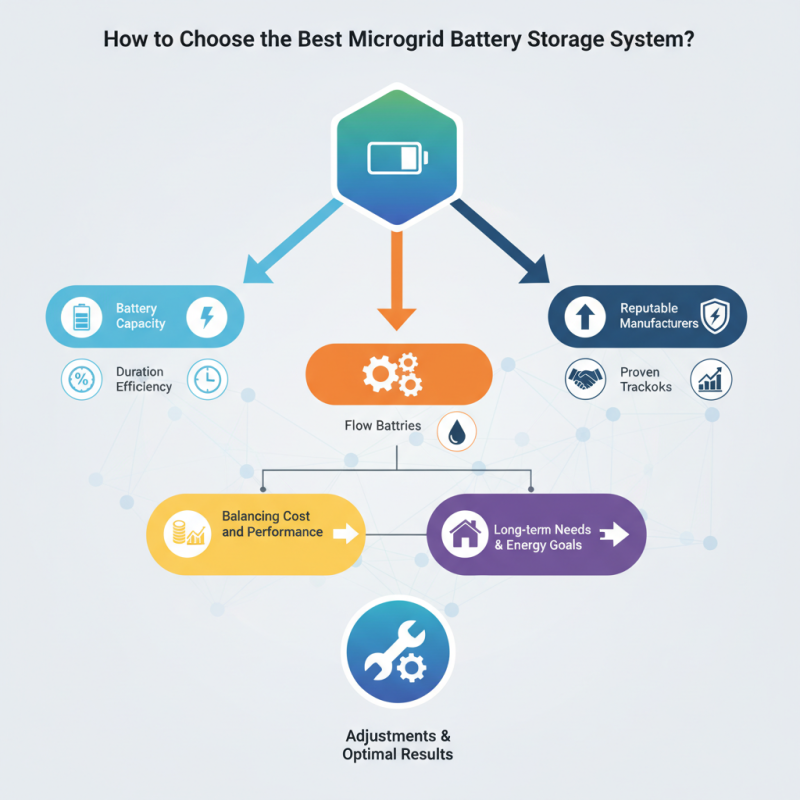
Picking the right Microgrid Battery Storage System is pretty important when it comes to managing your energy. It basically ensures your power is reliable and runs smoothly. These systems are also great for supporting renewable sources, like solar energy. When you’re setting up a Microgrid Solar System, the battery storage you choose can really make a difference in how well everything works together.
There’s quite a bit to think about here—things like battery capacity, how long it lasts, and overall efficiency. Different tech options, like lithium-ion versus flow batteries, each come with their own pros and cons. Doing some research on trusted manufacturers can really help you get a sense of what’s out there. It’s smart to look for companies with a solid track record—they tend to be more reliable.
Balancing cost with performance isn’t always straightforward either. Sometimes, going for the cheapest option might not give you the best results in the long run. Thinking about your long-term energy needs can save you headaches down the line. It’s also a good idea to see how well the battery system meshes with your overall goals. Keep in mind, after you start installing, you might need to tweak things a bit along the way for the best results—that’s pretty normal.
Identifying Your Energy Needs for Microgrid Battery Storage
Identifying energy needs is crucial when selecting a microgrid battery storage system. Start by assessing your daily energy consumption. Consider the peak load times and the duration of usage. This helps in sizing the battery system accurately. If you underestimate your needs, costs may escalate due to frequent cycling.
Think about your future energy requirements too. Changes in energy use can arise from expansions or technology upgrades. It’s essential to choose a battery system that can adapt over time. Flexibility ensures that the Microgrid Energy System remains efficient, even as demands shift.
Environmental factors matter as well. Monitor local climate conditions that affect battery performance. Extreme temperatures can reduce efficiency, impacting overall energy output. Additionally, account for the longevity and maintenance of your chosen system. Not all systems provide the same level of reliability, and improper maintenance can lead to increased operational costs. A careful assessment ensures a robust microgrid setup that meets your energy needs effectively.
How to Choose the Best Microgrid Battery Storage System? - Identifying Your Energy Needs for Microgrid Battery Storage
| Energy Needs |
Battery Type |
Capacity (kWh) |
Discharge Rate (kW) |
Cycle Life (Cycles) |
Efficiency (%) |
| Residential Use |
Lithium-ion |
10 |
5 |
5000 |
90 |
| Small Business |
Lead Acid |
20 |
10 |
1500 |
70 |
| Medium-Sized Facility |
Nickel Manganese Cobalt |
50 |
25 |
3000 |
85 |
| Large Scale Operations |
Sodium-Sulfur |
100 |
50 |
4000 |
80 |
Understanding Different Types of Battery Technologies
When considering a microgrid battery storage system, understanding battery technologies is essential.
Lithium-ion batteries dominate the market, offering high energy density and efficiency. According to a recent report by BloombergNEF, lithium-ion battery prices have fallen by 89% since 2010. This significant reduction has made them a popular choice for many applications, including renewable energy integration.
However, alternative technologies like flow batteries and lead-acid batteries are worth exploring. Flow batteries excel in longevity and scalability, while lead-acid systems provide a low-cost entry point. A study from the National Renewable Energy Laboratory highlights that flow batteries can last over 10,000 cycles, which can be appealing for long-term projects.
Despite these merits, certain drawbacks exist. Lithium-ion batteries may face performance issues in extreme temperatures. Flow batteries typically require more space and have higher initial costs. These factors highlight the need for a thorough evaluation of energy requirements and project goals.
Those venturing into battery storage must weigh these elements carefully for informed decisions.
Evaluating the Capacity and Size Requirements
When evaluating the capacity and size requirements for a Battery Microgrid system, it’s essential to understand your energy needs. Assess peak demand by analyzing historical usage data. Industry reports suggest that about 30% of renewable energy projects underperform due to inadequate storage planning. Ensure your system can handle these fluctuations.
Consider the size of your installation space. You must fit the battery system in a way that optimizes efficiency and accessibility. A clear understanding of the storage duration needed is crucial. For most microgrids, a storage capacity of 4 to 8 hours is recommended, depending on usage patterns.
**Tips:** Always consult multiple sources to compare specifications. Keep in mind that a larger battery doesn’t always mean better performance. Miscalculating your size requirements can lead to increased costs and inadequate power supply. Evaluate your consumption trends regularly to adjust your system accordingly. Continuous monitoring can reveal surprising inefficiencies, ensuring your Battery Microgrid functions optimally.
Battery Storage Capacity Evaluation for Microgrids
This bar chart shows the evaluated capacity of different microgrid battery storage systems in kilowatt-hours (kWh). Each system differs in its energy storage capacity, which is a critical factor when selecting the most suitable battery storage solution for your microgrid requirements.
Assessing the Lifecycle and Longevity of Batteries
When considering battery storage for microgrids, lifecycle and longevity are crucial. The average lifespan of lithium-ion batteries ranges from 10 to 15 years, emphasizing the importance of quality choice. A detailed report from BloombergNEF highlights that battery costs have dropped by 89% since 2010. This data suggests that investing in high-efficiency systems now can yield significant long-term savings.
Understanding degradation is essential for evaluating battery performance. Many studies show that temperature impacts longevity. Batteries tend to degrade 20% faster in high temperatures. This suggests the need for proper thermal management in system design. Additionally, research indicates that charging habits significantly influence battery life. Frequent cycling can lead to early failures.
Regular assessments can enhance system reliability. Monitoring battery health helps identify issues before they escalate. In a recent survey, 35% of professionals admitted they overlook this aspect. Ignoring such practices can lead to costly failures. Hence, adopting a proactive approach, even in less-than-ideal installations, ensures operational efficiency.
Comparing Cost and Return on Investment
When evaluating a microgrid battery storage system,
cost and
return on investment (ROI) are critical.
The global energy storage market is expected to reach
$172 billion by 2030,
driven by advances in technology and increased demand for renewable energy solutions like
Microgrid Solar.
The initial costs can vary widely, from
$400 to $1,000 per kilowatt-hour.
Understanding these costs is essential for accurate financial forecasting.
The ROI for battery storage can be substantial over the system's lifespan.
Reports indicate that storage systems may yield up to a 300% return within 10 years.
This is particularly relevant for microgrid projects reliant on solar energy.
Studies show that systems integrated with Microgrid Solar can charge during off-peak hours
and discharge during peak hours, optimizing energy costs.
However, risks include
fluctuating utility rates
and potential changes in regulations.
Investing in microgrid storage involves weighing these financial details.
While the technology offers significant savings,
installation and maintenance costs must be factored in.
Not every project will achieve high profitability,
leading to necessary assessments of the site's unique conditions and energy demands.
Ultimately, the choice of a battery storage system requires careful consideration of
both economic factors and the technical capabilities specific to microgrid applications.
Exploring Maintenance and Support Options
When selecting a microgrid battery storage system, maintenance and support options are crucial. Regular maintenance guarantees the system operates efficiently. Every battery requires checks to ensure longevity. This includes monitoring charge cycles, inspecting connections, and testing safety features. A proactive maintenance plan can prevent costly downtime.
Support services should also be a priority. Emergency assistance and repair services must be readily available. Evaluate the response times of potential support teams. Understanding maintenance contracts is essential. Some contracts might offer limited support, while others include comprehensive service. Ensure you have clarity on what is covered.
While researching, don't disregard the need for expert advice. Consulting with professionals can provide insights into common issues. They may reveal potential flaws in battery storage systems. An informed decision requires careful consideration of both maintenance and support. Explore different options and reflect on what best suits your
Ess Microgrid needs.
Analyzing Environmental Impact and Sustainability Factors
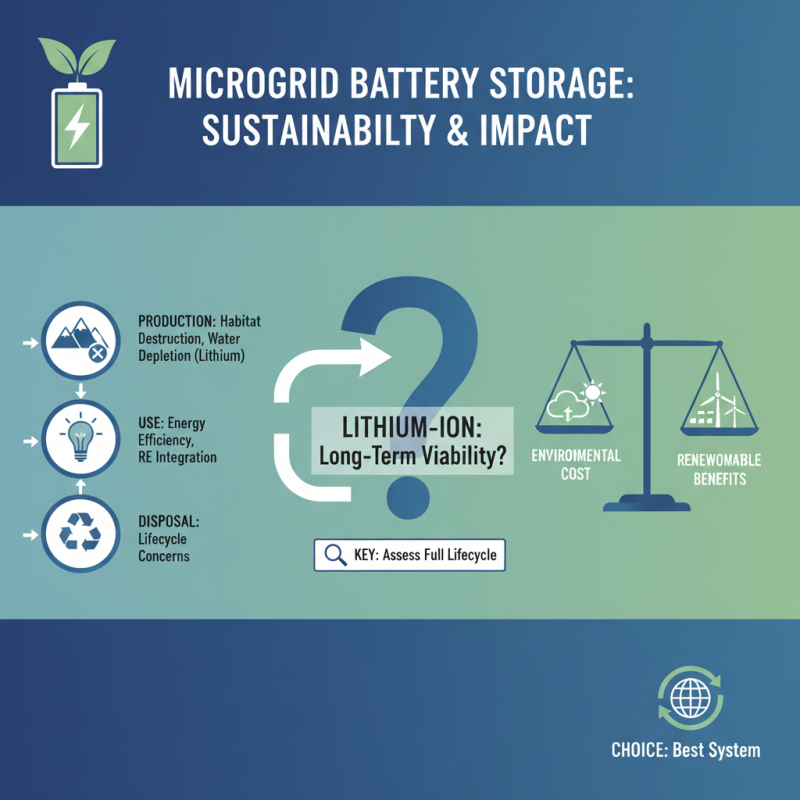
Choosing the best microgrid battery storage system involves examining its environmental impact and sustainability factors. Batteries play a crucial role in energy efficiency and renewable energy integration. It’s important to assess the whole lifecycle of battery production, use, and disposal. For instance, lithium extraction can lead to habitat destruction and water depletion. This raises questions about the long-term viability of lithium-ion technology.
Sustainability is also about the materials used. Many batteries rely on rare earth elements, which can have significant ecological footprints. Recycling initiatives are emerging, aimed at reducing waste and reusing materials. However, the effectiveness of these programs often varies. Understanding these aspects allows for better decision-making.
Environmental regulations are evolving. They aim to address these sustainability concerns more rigorously. Consumers and businesses need to stay informed about these changes. Awareness can drive demand for more sustainable practices in battery production. Balancing performance and environmental stewardship remains a challenge. It invites ongoing reflection on our choices.
Powering the Future: Harnessing NX10 Microgrid BESS for Sustainable Energy Solutions
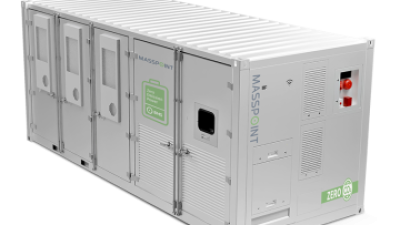
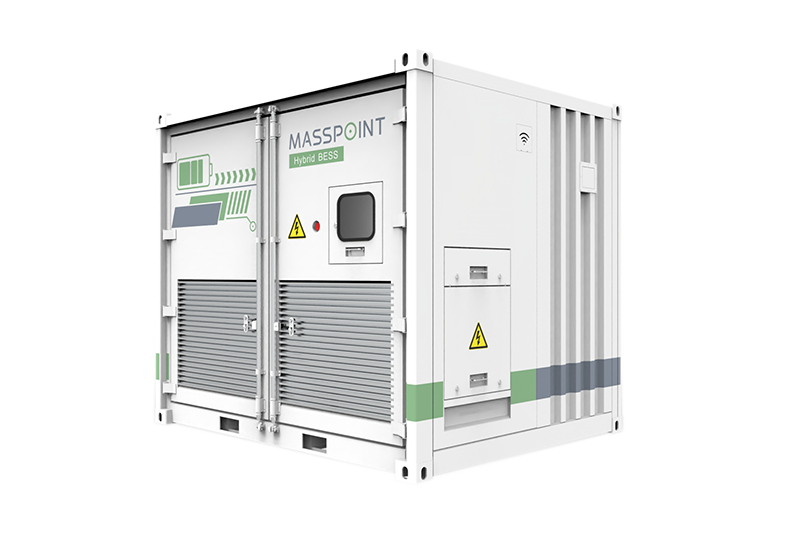
In the quest for sustainable energy solutions, the advent of microgrid Battery Energy Storage Systems (BESS) offers a transformative approach to energy management. The NX10 Microgrid BESS stands out as a clean and efficient platform that integrates solar photovoltaic systems, battery storage, and generator units into a cohesive smart power network. This innovative architecture allows for flexible solar integration, enabling projects to be customized according to specific needs and existing infrastructure. Such adaptability is key to fostering renewable energy use in a wide range of applications.
The NX10 system empowers users with advanced energy management capabilities, providing a visually intuitive interface for monitoring and controlling energy flow. This level of control not only ensures a reliable electricity supply but also significantly reduces greenhouse gas emissions, operational noise, and fuel costs. Designed for off-grid locations and regions with unreliable grid connections, it is particularly valuable for industrial settings where energy demands can fluctuate. By supporting scalable microgrid configurations, the NX10 BESS makes intelligent energy accessibility possible, offering a resilient solution tailored to the demands of modern energy consumption.
FAQS
: Costs can range from $400 to $1,000 per kilowatt-hour, varying widely based on system design.
Reports suggest a possible ROI of up to 300% within 10 years, especially for solar-integrated systems.
Risks include fluctuating utility rates and changes in regulations that may impact financial returns.
Regular maintenance ensures efficiency. It involves checking charge cycles and testing safety features.
Assess response times and aspects covered in maintenance contracts. Comprehensive support is vital.
Professionals can identify common issues and provide insights, which can aid in decision-making.
Important tasks include monitoring charge cycles and inspecting connections for potential issues.
Yes, installation and maintenance costs must be considered to understand true profitability.
Not every project guarantees high returns. Assess site conditions and energy demands carefully.
Adopt a proactive maintenance plan to prevent downtime and extend the battery’s operational life.
Conclusion
Choosing the best Microgrid Battery Storage System is essential for optimizing energy management and sustainability. It begins with identifying your specific energy needs, which will guide the selection of the right battery technology. Understanding the various types, such as lithium-ion or lead-acid, allows for informed decisions based on performance and application.
Capacity and size requirements must be carefully evaluated to ensure that the system meets current and future demands. Additionally, assessing the lifecycle and longevity of the batteries is crucial for long-term investment viability. A thorough comparison of costs and return on investment can highlight the most economical options, while exploring maintenance and support ensures reliable operation. Lastly, considering the environmental impact and sustainability of the chosen system aligns with modern energy goals, ultimately contributing to a more resilient power infrastructure.

 Products
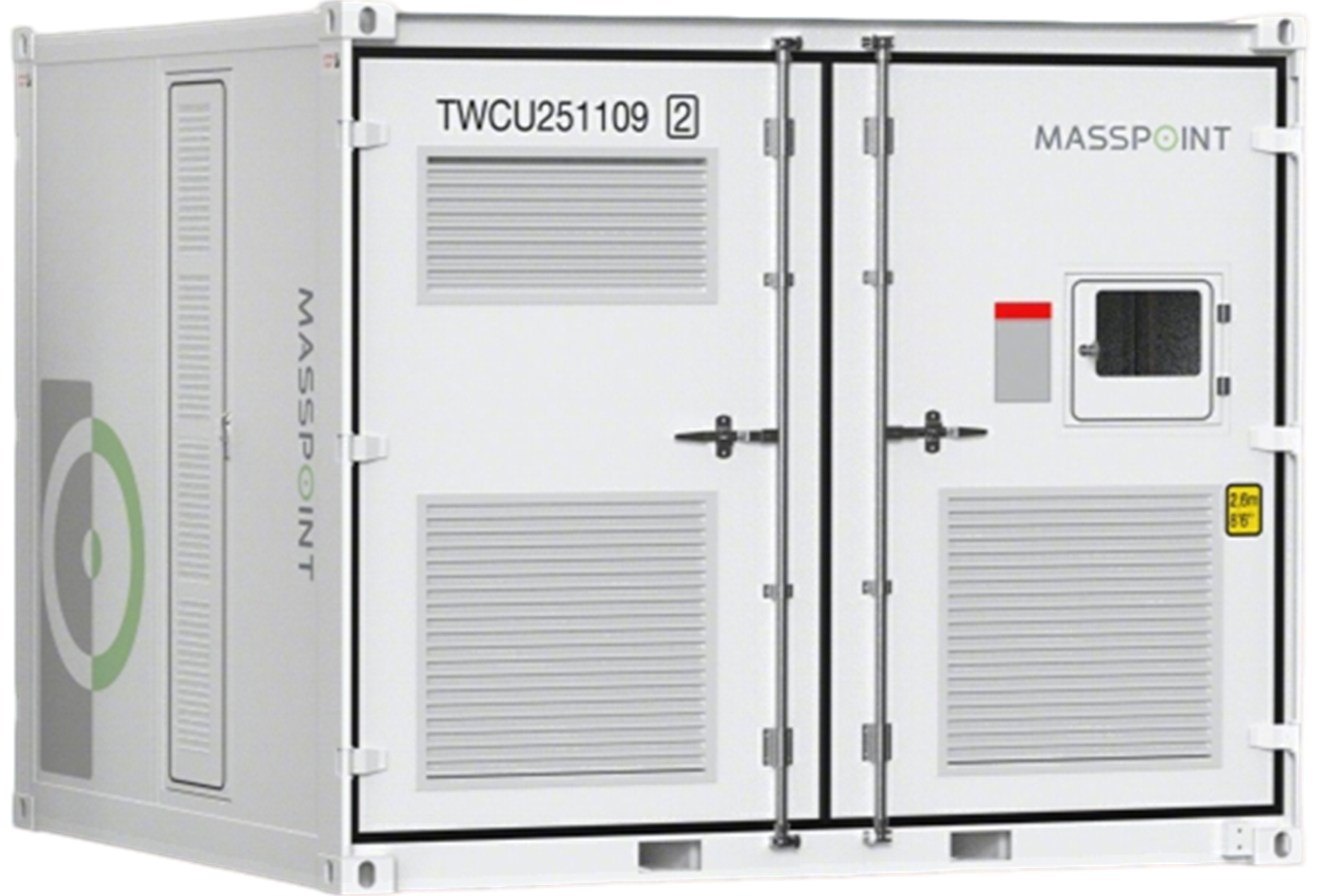 Industrial Hybrid BESS
 Hexa 125KW/241KWH-500KW/482KWH
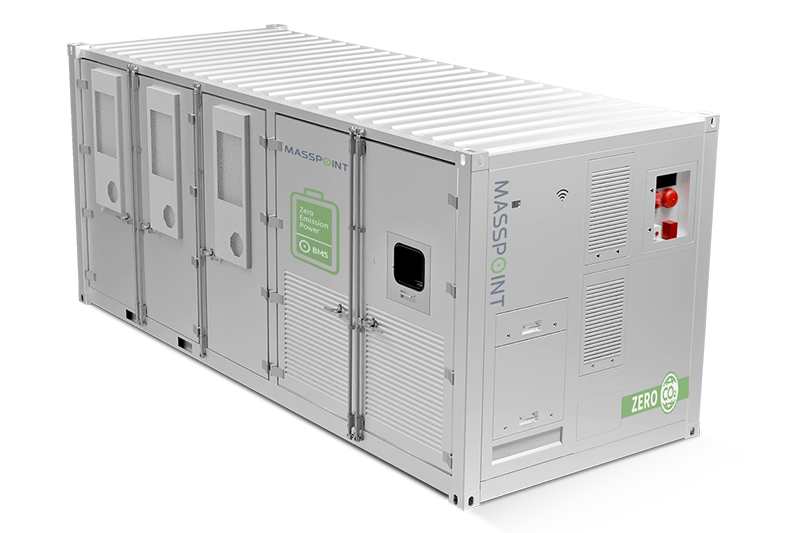 Micro-Grid BESS