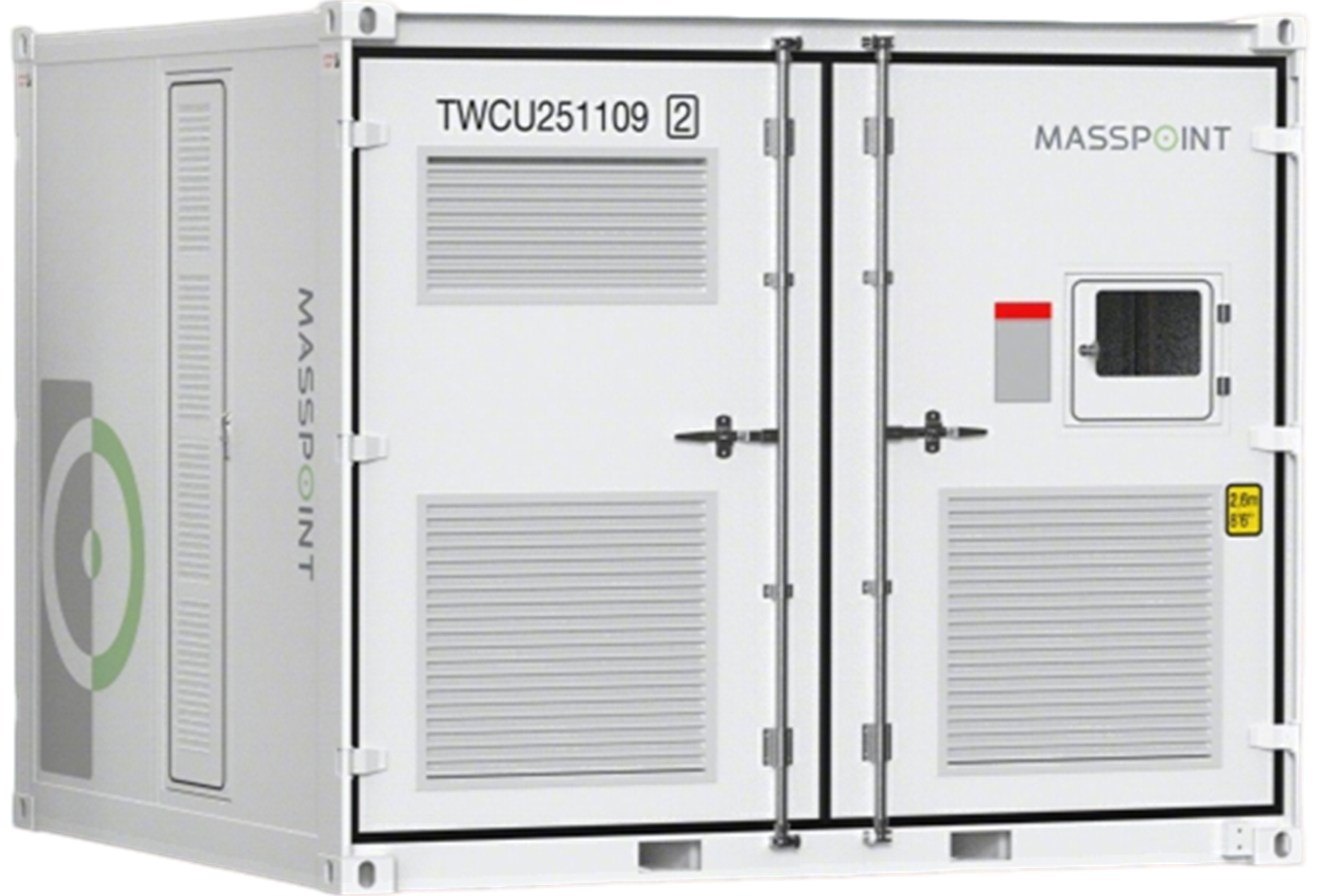
In today’s changing energy landscape, Mini Grid Systems are really gaining importance. Dr. Emily Carter, a well-known expert from the Sustainable Energy Institute, points out that “Mini Grid Systems give power back to communities and help build resilience.” They offer localized energy options that support long-term sustainability.
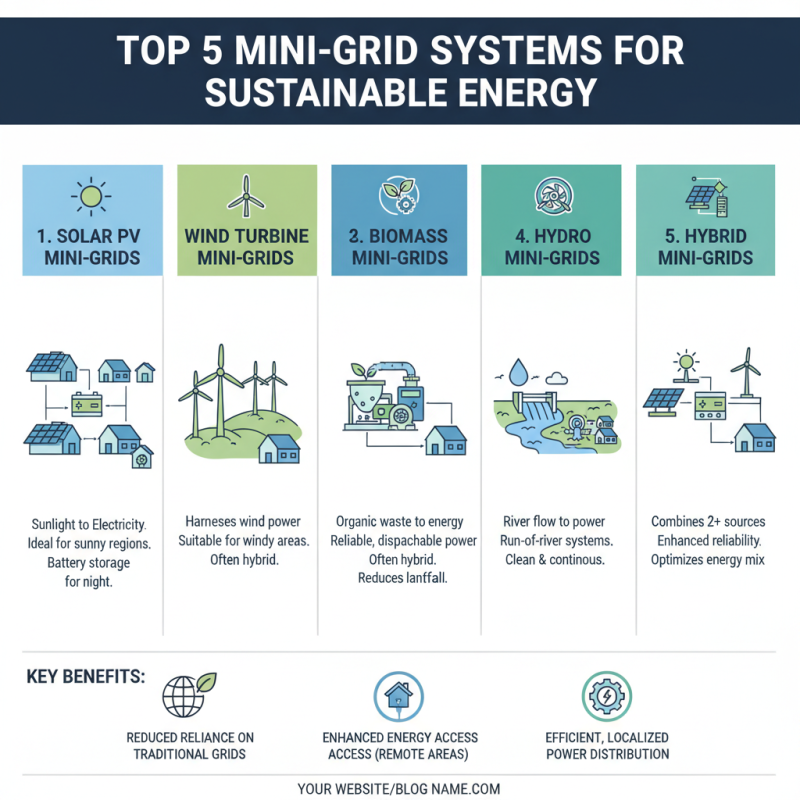
As we look at the top five Mini Grid Systems, it’s important to really understand how they make an impact. Countries that struggle with providing reliable energy can benefit a lot. Each system is unique, tailored to local needs and resources, with different designs and tech. But, let’s be honest—we don’t always see success everywhere. Some systems run into issues with management and maintenance, which can hold them back from being truly effective.
Even though these systems are promising, we have to keep it real about their success rates. Reliability is a big deal—how can Mini Grid Systems better meet what communities actually need? Staying innovative and flexible is key. In this overview, we’ll take a look at both the strengths and weaknesses of various systems, all in the effort to find real, sustainable energy solutions.
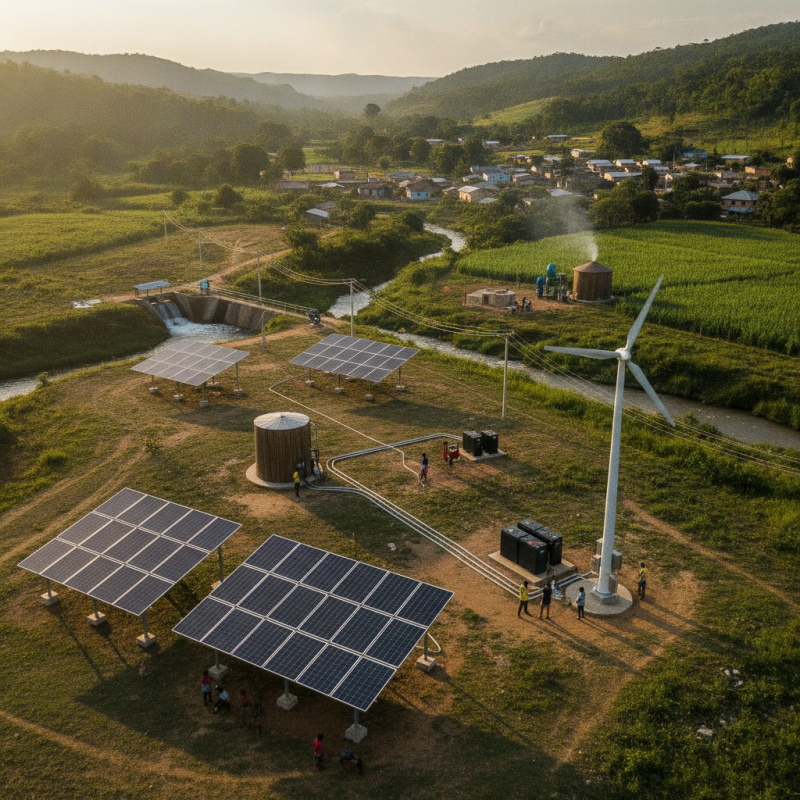
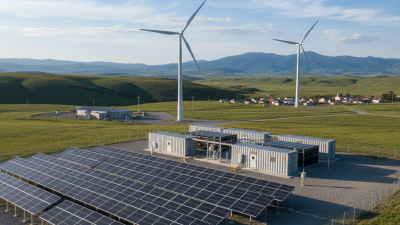
Mini Grid Systems are becoming vital for energy sustainability. They provide localized power solutions, particularly in remote areas. These systems can reduce reliance on traditional grids and enhance energy access. You might find different setups, but they all serve a common goal: efficient energy distribution.
Some Mini Grid Power Systems rely on renewable sources. Solar and wind power are common choices. These sources are abundant in many regions. However, challenges persist. Not all areas have consistent sunlight or wind. Community engagement is crucial. Locals must be involved in the planning phases to ensure the system meets their needs.
Safety and maintenance are often overlooked areas. Training local staff can ensure reliability. Regular checks can prevent shutdowns. Learning from failures can lead to improvements. The development of Mini Grid Systems should focus on adaptability. Each community has unique requirements. A one-size-fits-all approach might not work effectively.
Mini grid systems are emerging as vital solutions for energy access in remote and underserved areas. According to the International Renewable Energy Agency (IRENA), over 789 million people lack access to electricity globally. Mini grids can fill this gap efficiently, providing decentralized energy. They predominantly harness renewable resources such as solar, wind, and biomass, promoting sustainability.
The significance of mini grids goes beyond mere energy provision. They foster local economies by creating job opportunities in installation and maintenance. A report from the World Bank indicates that mini grids can reduce energy costs by up to 50% compared to traditional diesel generators. Moreover, these systems can be tailored to local needs, ensuring adaptability. However, challenges remain. Issues with financing and regulatory frameworks can hinder their deployment in certain regions.
Additionally, the technology behind mini grids is evolving rapidly. Advances in battery storage and smart grid technology are making these systems more efficient and reliable. Nonetheless, the success of mini grids hinges on community engagement and local expertise. Engaging local stakeholders in design and implementation can lead to sustainable outcomes. Without this, projects may face resistance or fail to meet community needs. The potential impact of mini grids is significant, but it requires continued effort and reflection to realize this promise fully.
| Mini Grid Name | Capacity (kW) | Energy Source | Annual Output (MWh) | Target Communities |
|---|---|---|---|---|
| Mini Grid A | 50 | Solar | 120 | 500 households |
| Mini Grid B | 100 | Wind | 250 | 1000 households |
| Mini Grid C | 75 | Hydro | 180 | 750 households |
| Mini Grid D | 30 | Biomass | 70 | 300 households |
| Mini Grid E | 150 | Solar+Wind | 400 | 1500 households |
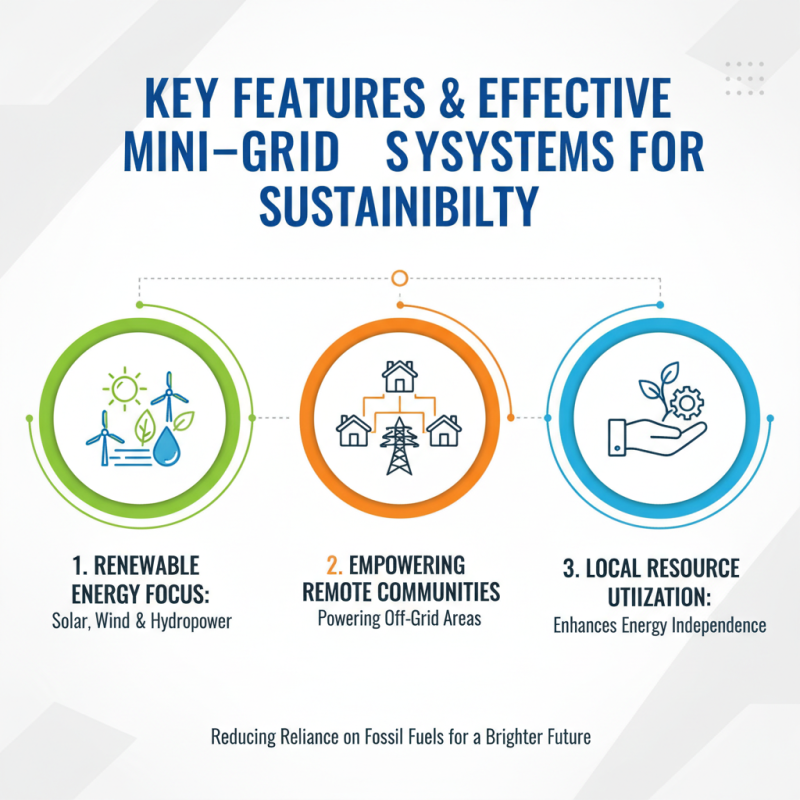
Effective mini grid systems are essential for promoting sustainable energy solutions. A well-designed mini grid focuses on renewable energy sources like solar, wind, and hydropower. These systems can power remote communities and reduce reliance on fossil fuels. Local resources are utilized, enhancing energy independence.
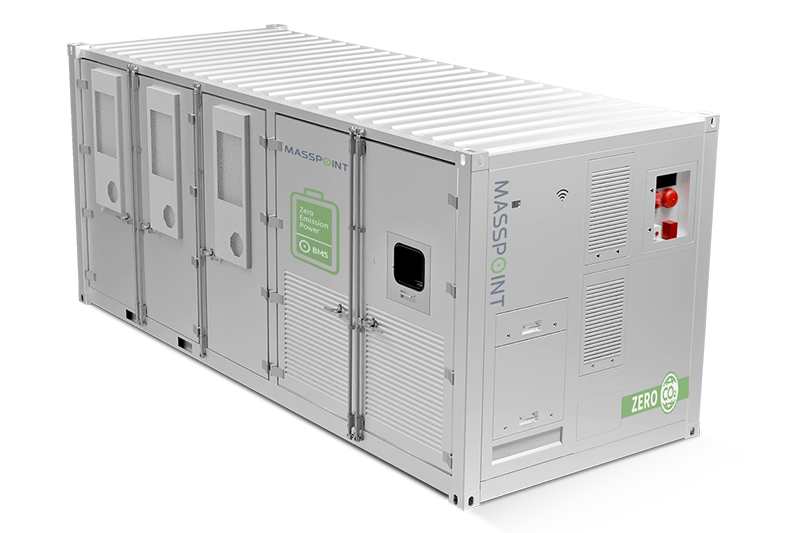
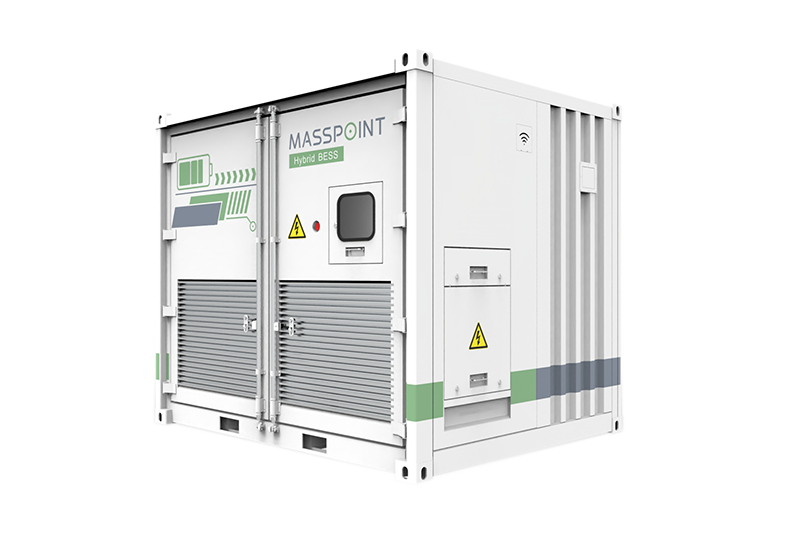
Robust energy storage is a crucial feature. Batteries must store excess energy for use during low production periods. The capacity needs to support the community's demand efficiently. Moreover, monitoring technology should provide real-time data, helping operators manage supply and demand effectively.
Community involvement remains critical in the success of mini grids. Local stakeholders should have a say in the design and implementation process. Their unique needs must be understood and addressed. This engagement fosters a sense of ownership, increasing the project's longevity and effectiveness. Reflecting on these key features helps refine future mini grid initiatives, ensuring they evolve to meet changing community needs.
The growing demand for sustainable energy solutions has led to the emergence of various mini grid systems. These systems, particularly Solar Mini Grid Systems, offer a promising alternative to traditional energy sources. Evaluating their performance is vital for understanding their effectiveness and scalability in different contexts.
Recent case studies reveal significant performance metrics that measure the success of these mini grids. For instance, one project recorded a remarkable reduction in household energy costs, showing a decrease of over 30%. Another initiative highlighted the achievement of over 95% uptime, indicating reliability. Such data not only emphasizes the efficiency of Solar Mini Grid Systems but also sheds light on the challenges faced. Inconsistent sunlight and seasonal variations are critical issues that need addressing.
While many systems perform well, not all have reached their intended goals. Some projects struggle with community engagement and usage levels. When users do not fully embrace the technology, overall impact diminishes. It's crucial to continuously refine these models. Ensuring robust local partnerships can enhance the sustainability of these solutions.
Mini grid systems have emerged as a vital solution for sustainable energy, especially in remote areas. Recent studies show mini grids can reduce energy costs by up to 30% when compared to conventional diesel generators. This cost-effectiveness makes them attractive for communities seeking reliable and affordable electricity. A report by the International Renewable Energy Agency indicates that the average installation cost for mini grids falls between $1.50 to $2.50 per watt, depending on the technology and region.
Mini Off Grid Solar Systems play a crucial role in these mini grid implementations. Solar mini grids provide clean energy and have low operational costs. Moreover, they lower greenhouse gas emissions significantly when replacing fossil fuels. However, the initial capital investment can be a hurdle. Communities must assess their financial capacity and consider available incentives.
When evaluating mini grid systems, local conditions are key. Factors such as resource availability and potential demand affect viability. Collaborations with local governments can enhance sustainability. Affordable financing options, such as grant funding, are necessary for facilitating projects.
Tip: Research local energy needs rigorously. Understanding the specific requirements can lead to better system design. Also, consider community engagement early in the planning stages; it fosters ownership and accountability. This approach often translates to more successful and sustainable projects.
Mini grid systems have emerged as vital players in transforming local economies and enhancing renewable energy adoption. In regions where access to the central grid is limited, these systems can provide sustainable solutions. According to a report by the International Renewable Energy Agency (IRENA), mini grids can potentially reduce energy costs by up to 40%. This change allows families to allocate funds towards education and healthcare, ultimately uplifting community welfare.
However, the integration of mini grids is not without its challenges. Depending on local resources, the deployment can be inconsistent. A World Bank study indicates that up to 30% of mini grid projects fail due to financial mismanagement or lack of technical expertise. It’s essential to foster community engagement in planning and operation to create sustainable systems that truly benefit local residents.
The economic impact can be substantial. A case study in rural India showed that regions with mini grids experienced a 25% increase in small business startups. This showcases how access to reliable energy can stimulate entrepreneurship. Yet, reliance on initial funding and technical support raises questions. What happens when external aid fades away? Building self-sustaining frameworks must be a priority. Engaging local stakeholders is crucial for navigating these complexities and ensuring long-lasting benefits.
The future of Mini Grid technology shows immense promise for enhancing sustainable energy integration. As communities seek to decrease dependency on fossil fuels, mini grids present a pragmatic solution. They allow localized energy production, effectively bridging the gap between remote areas and the main power grid. By harnessing solar, wind, or biomass, mini grids empower communities to generate their own electricity. This is particularly beneficial in regions with limited access to conventional power sources.
Tips: When considering mini grid systems, assess local resources. Understand the energy demands of your community. A well-designed mini grid should reflect the unique needs and available resources. Engage local stakeholders for better acceptance and implementation.
Looking ahead, mini grids are likely to become more efficient through advances in technology. Energy storage capabilities will improve, allowing for better reliability and resilience. However, challenges remain. Many areas still lack the technical expertise to design and maintain these systems. Continuous training and capacity building are essential.
Tips: Invest in training programs for local technicians. This will help sustain mini grid systems in the long term. Collaboration between government, NGOs, and private sectors can foster knowledge sharing. A supportive ecosystem can lead to more successful implementations of mini grids.
: Mini grids are localized energy systems that provide electricity in remote areas. They often use renewable energy sources.
They help address energy access issues for 789 million people. They also promote sustainability and local economic development.
Mini grids create jobs in installation and maintenance. This boosts the local economy and decreases energy costs significantly.
Financing and regulatory issues can hinder deployment. Without proper support, projects may face resistance or fail.
Engaging local stakeholders ensures projects meet community needs. Lack of engagement may lead to failures or unmet expectations.
Advances in battery storage and smart technology will improve efficiency. This can enhance reliability for users in remote areas.
Evaluate the energy demands and available resources in the community. This ensures that the mini grid design is tailored effectively.
Training helps sustain mini grid systems. It ensures that local experts can design and maintain the systems effectively.
Collaboration between governments, NGOs, and private sectors fosters knowledge sharing. A supportive ecosystem leads to better implementations.
Continuous engagement and feedback from the community are essential. Reflecting on past projects may lead to better future outcomes.
The article "Top 5 Mini Grid Systems for Sustainable Energy Solutions" delves into the vital role of Mini Grid Systems in enhancing energy access, especially in underserved regions. It highlights the key features that make these systems effective for sustainability, such as scalability, integration of renewable sources, and reliability. Through case studies, the article evaluates the performance metrics of leading Mini Grid solutions and conducts a comparative analysis on their cost-effectiveness, demonstrating their economic viability for communities.
Additionally, the impact of Mini Grids on local economies is examined, showing how they promote renewable energy adoption and stimulate economic growth. The discussion also touches on future trends in Mini Grid technology, emphasizing the potential for further integration into sustainable energy practices. Overall, Mini Grid Systems are positioned as essential contributors to achieving energy sustainability and enhancing the quality of life in various communities.