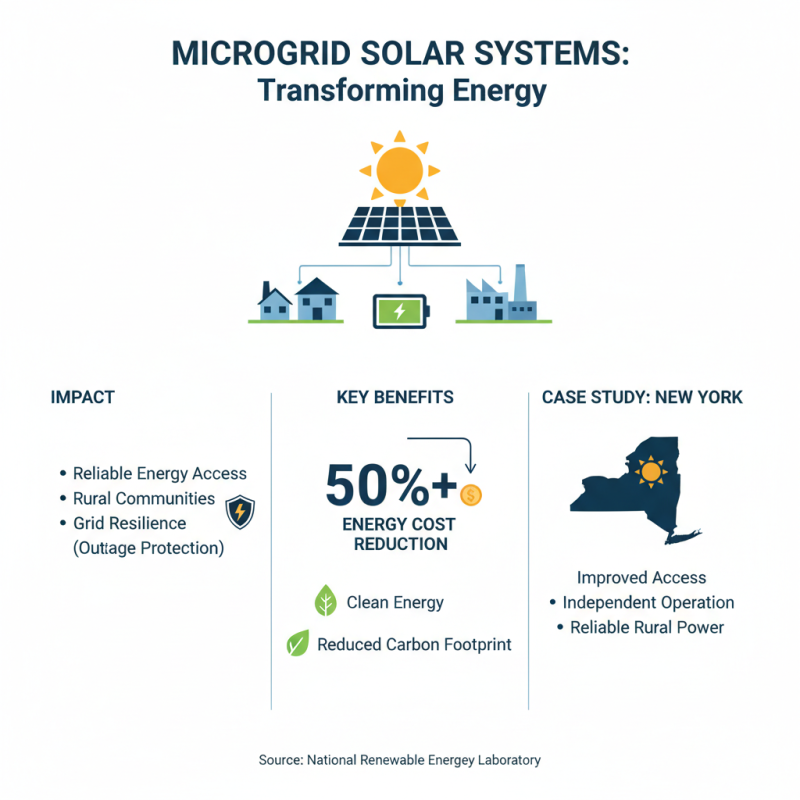
The Microgrid Solar System is really changing how we think about energy these days. As the U.S. Department of Energy points out, microgrids can make our energy supply more resilient and even cut down costs. They’re pretty versatile, too—they can run on their own or work alongside the traditional grid if needed.
These systems do a good job of tapping into renewable resources. They produce solar power right where it’s needed and help local communities gain more control over their energy supply. A report from Navigant Research predicts that by 2027, the global microgrid market could hit around $40 billion. That’s a pretty clear sign that we’re shifting towards decentralized, more flexible energy solutions.
That said, it’s not all smooth sailing. The initial costs can be pretty steep, which might scare off some communities from jumping in. Plus, there are technical challenges when it comes to blending different energy sources seamlessly. It really requires some careful planning and a good amount of investment. As we move forward with adopting Microgrid Solar Systems, it’s important to think about ways to improve access and ensure they’re reliable. Getting a solid grasp of these trends is key to shaping our future energy landscape.
What is a Microgrid Solar System? Definition and Key Features
A microgrid solar system is a local energy network. It can operate independently or alongside the main grid. Usually, it includes solar panels, batteries, and local loads. These features enable it to provide power even during grid outages. According to the U.S. Department of Energy, microgrids can enhance energy resilience by up to 90%.
In addition, microgrids focus on sustainability. They can integrate various renewable sources, like wind and biomass. However, the initial setup costs can be high. Recent studies indicate that nearly 70% of projects face budget overruns. This poses challenges for communities seeking energy independence.
Despite their benefits, microgrids present some complexities. Regulatory obstacles often hinder their deployment. Costs and available technology may vary widely across regions. As energy demands grow, microgrids offer a flexible solution. Their role in enhancing local energy systems may redefine energy consumption patterns in the future.
The Components of a Microgrid Solar System: An In-Depth Overview
A microgrid solar system is a small-scale energy grid. It can operate independently or connect to the main grid. Understanding its components is crucial for effective use.
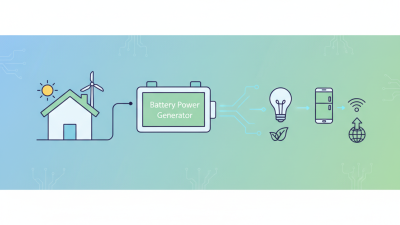
The main elements include solar panels, inverters, batteries, and a management system. Solar panels capture sunlight and convert it into electricity. Inverters then transform this direct current into alternating current for homes. Batteries store excess energy for later use. The management system monitors energy flow, ensuring efficiency.
Tips: Regular maintenance of solar panels is essential. Clean them often to maximize their efficiency. Also, consider battery storage solutions that suit your energy needs.
Harnessing solar energy in a microgrid comes with challenges. Sizing the system right is not always straightforward. Oversizing can lead to wasted resources, while undersizing may cause power shortages. It's essential to analyze your energy consumption carefully.
How Microgrid Solar Systems Integrate Renewable Energy Sources
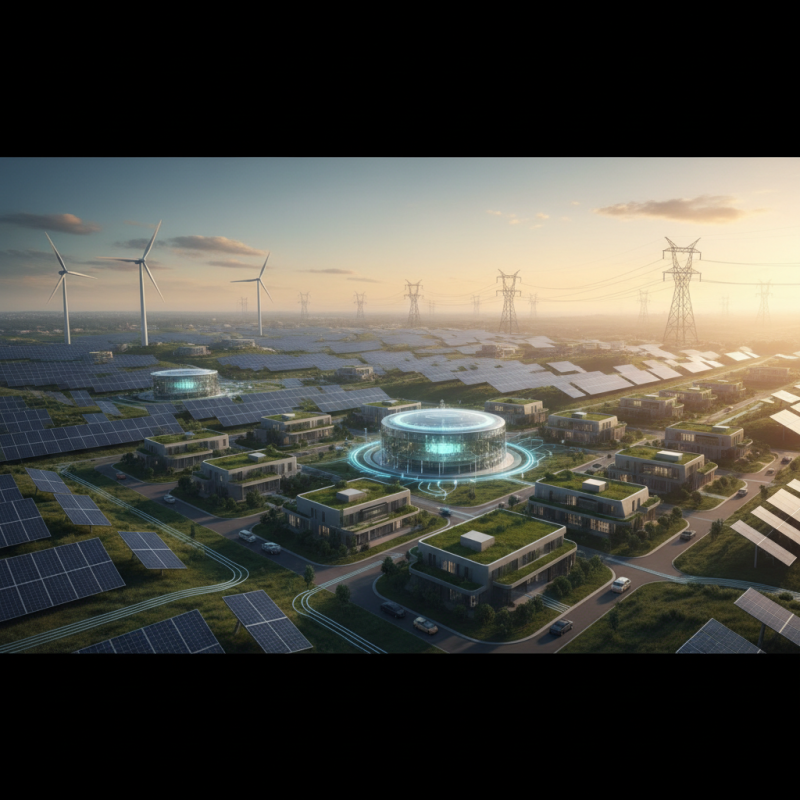
Microgrid solar systems represent an innovative way to harness renewable energy. These systems can operate independently or alongside the main power grid. They include various renewable sources, like solar panels and wind turbines. This integration contributes to a more resilient energy supply. It allows for localized generation and consumption of power.
As more communities adopt microgrid technology, flexibility becomes crucial. Solar panels capture sunlight and convert it to electricity. This electricity can power homes or charge batteries for later use. Wind turbines add another layer of renewable energy, especially during cloudy days. However, challenges remain. Energy storage and management need constant attention. Balancing supply and demand proves complex.
Resilience is key in today's climate. Microgrid systems can recover quickly from outages. They provide a backup, especially in disaster-prone areas. Yet, maintenance and cost need consideration. Community involvement can drive success, but it may be challenging to engage everyone. Overall, the future of energy lies in these innovative systems, but realization demands reflection and adaptation.
The Advantages of Microgrid Solar Systems for Energy Independence
Microgrid solar systems are gaining attention for energy independence. These systems generate and store solar energy locally. This allows communities to rely less on centralized power grids. They operate independently during outages, providing a reliable energy source.
One significant advantage is reduced energy costs. With a microgrid, consumers generate their power. This cuts down on electricity bills. Additionally, solar energy is renewable and can lead to lower emissions. A microgrid can help promote sustainability.
Tips: Consider starting small. Install solar panels on rooftops. Assess energy needs regularly. Backup battery systems can be useful. They allow you to store excess energy for cloudy days. Keep in mind, though, that installation can be expensive upfront. Weigh long-term savings against initial costs.
Microgrids enhance resilience in energy supply. They can connect with other renewable sources, like wind. However, integrating multiple energy sources can be complex. It's a challenge that needs careful planning. Collaboration within communities can help address these complexities. Sharing resources is crucial for success.
Case Studies: Successful Implementations of Microgrid Solar Systems
Microgrid solar systems are transforming energy consumption in various regions. Case studies highlight their success across diverse applications. One notable example can be found in rural communities where access to a reliable energy supply is limited. A microgrid in New York powered by solar panels improved energy access. This system can operate independently, ensuring electricity even during grid outages. Remarkably, these setups can cut energy costs by up to 50%, according to the National Renewable Energy Laboratory.
In Hawaii, an innovative microgrid system has emerged. It combines solar energy with battery storage to create a resilient grid. This approach enhances energy security while also reducing dependence on fossil fuels. The local government reports a significant decrease in greenhouse gas emissions. However, challenges remain. Initial setup costs can be high, and community involvement is crucial for success. Stakeholders must ensure residents understand the technology for better acceptance.
Another case study from Puerto Rico reveals the resilience of microgrids. After Hurricane Maria, communities turned to solar microgrids for recovery. These systems not only provided immediate power but also demonstrated long-term sustainability. Data from the International Renewable Energy Agency shows that microgrid installations can increase by 20% annually, driven by demand for cleaner energy solutions. Despite the promise, reliance on technology poses risks. Constant maintenance and upgrades are vital for optimal performance. Each implementation offers lessons and insights for the future.
Technical Challenges and Solutions in Microgrid Solar System Design
Designing a microgrid solar system presents significant technical challenges. One major issue is the integration of diverse energy sources. According to the U.S. Department of Energy, microgrids often combine solar, wind, and storage technologies. Balancing these sources can be complex. Variations in energy production lead to fluctuations in supply and demand.
Another challenge is maintaining reliability. The National Renewable Energy Laboratory reports that microgrids can lose connection to the main grid. This can disrupt power supply and affect users. An effective solution is employing advanced control systems. These systems can optimize energy distribution in real-time, enhancing stability.
Cost is also a crucial factor. A recent industry report highlighted that upfront investment remains a barrier. The average cost of a microgrid installation ranges from $1 million to $3 million per megawatt. Building a successful system requires careful financial planning. Stakeholders must weigh costs against expected benefits. Reflecting on these challenges is essential for future improvements in microgrid systems.
What is a Microgrid Solar System and How Does It Work? - Technical Challenges and Solutions in Microgrid Solar System Design
| Dimension |
Description |
Challenges |
Solutions |
| Grid Connection |
Integration with the main electricity grid for energy exchange. |
Intermittency can cause stability issues. |
Smart grid technologies to manage the flow. |
| Energy Storage |
Storage systems like batteries to hold excess energy. |
High costs and limited lifespan of batteries. |
Investing in next-gen battery technology. |
| Load Management |
Balancing energy input vs. demand. |
Variability in demand can lead to overloads. |
Advanced forecasting and demand response systems. |
| Regulatory Compliance |
Meeting local and national energy regulations. |
Complex and changing regulations can hinder projects. |
Engagement with policymakers and proactive compliance strategies. |
| Technical Integration |
Harmonizing different technologies and systems. |
Compatibility issues among systems. |
Standardized protocols and interfaces. |
Future Trends in Microgrid Solar Technology and Market Growth
The growth of microgrid solar technology is impressive. These systems offer energy independence and flexibility. They can operate connected to the main grid or independently. This adaptability makes them appealing for businesses and communities. Cities are adopting microgrids more than ever, driven by environmental goals.
Future trends show a shift toward smarter microgrids. Integrating artificial intelligence and IoT can enhance their efficiency. Continuous monitoring helps optimize energy use. These advancements lead to cost savings and reduce waste. However, implementation can be complex. Many users may face technical challenges during setup.
Tips for potential microgrid users: assess your energy needs thoroughly. Consider working with experts for a tailored approach. Explore community options to share resources and increase benefits. As microgrid technology evolves, staying informed is crucial. Regularly check for updates and new innovations.
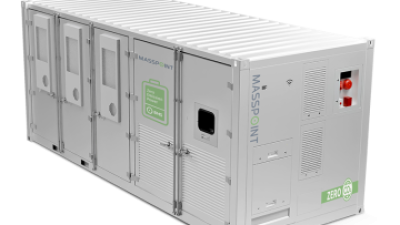
Leveraging NX10 Microgrid BESS: Transforming Energy Resilience with 2023 Industry Insights and Data on Sustainable Power Solutions
In today's rapidly evolving energy landscape, leveraging advanced battery energy storage systems (BESS) is essential for enhancing energy resilience. The integration of solar photovoltaic (PV) systems with innovative energy storage solutions offers a pathway to sustainable and efficient power management. By coupling solar energy generation with flexible energy storage options, users can create a smart power system that addresses specific project needs while optimizing existing infrastructure.
The versatility of modern BESS solutions allows for customizable configurations that cater to both off-grid locations and areas with unreliable grid connections. With a focus on reducing emissions and operational noise, these systems deliver reliable electricity while minimizing fuel costs. The intuitive energy management capabilities empower users to monitor and control energy flows seamlessly, ensuring that power is available when and where it’s needed most. This transformative approach not only boosts resilience in energy supply but also supports various industrial applications, paving the way for a more sustainable energy future.
As industries increasingly seek methods to enhance their operational efficiency and sustainability, the adoption of smart microgrid solutions will undoubtedly play a crucial role. By harnessing the potential of integrated solar PV and battery storage, organizations can unlock new levels of energy independence and environmental stewardship, positioning themselves at the forefront of the green energy transition.
FAQS
: Many people use it for personal care. Some use it for cleaning.
Apply it on clean skin. Use a small amount for best results.
Daily use is fine for most. Some may experience irritation.
If irritation happens, stop using immediately. Consult a professional if needed.
Store it in a cool, dry place. Avoid direct sunlight to maintain effectiveness.
A strange smell can indicate spoilage. Discard it and seek alternatives.
It may not suit everyone. Conduct a patch test before full application.
Consult with a pediatrician for children. Some formulations are not recommended.
The shelf life is typically 1-2 years. Check for expiration dates.
Dispose of it properly. Follow local regulations for disposal.
Conclusion
A Microgrid Solar System is a localized energy system that can operate independently or in conjunction with the traditional grid, incorporating solar power as a primary renewable energy source. It consists of key components such as solar panels, energy storage systems, and control systems that collectively enhance energy independence and resilience. By integrating renewable energy sources, Microgrid Solar Systems not only support sustainable energy practices but also provide communities with the ability to manage and generate their own power efficiently.
The advantages of these systems are numerous, including increased reliability and reduced dependence on centralized energy sources. Successful implementations across various case studies showcase their effectiveness in delivering stable energy solutions. Nonetheless, challenges in design and implementation remain, requiring innovative technical solutions. Looking ahead, the future of Microgrid Solar Technology is promising, with expected growth in market adoption and technological advancements that will further enhance their capabilities in promoting energy sustainability.

 Products
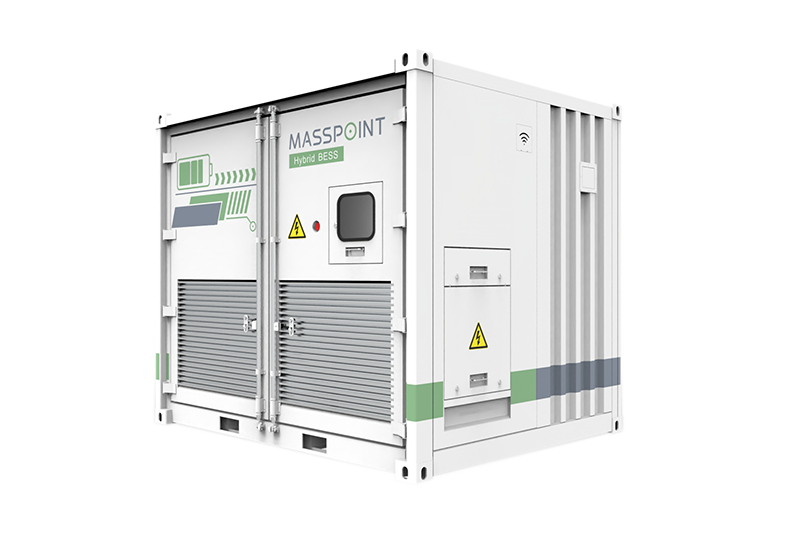
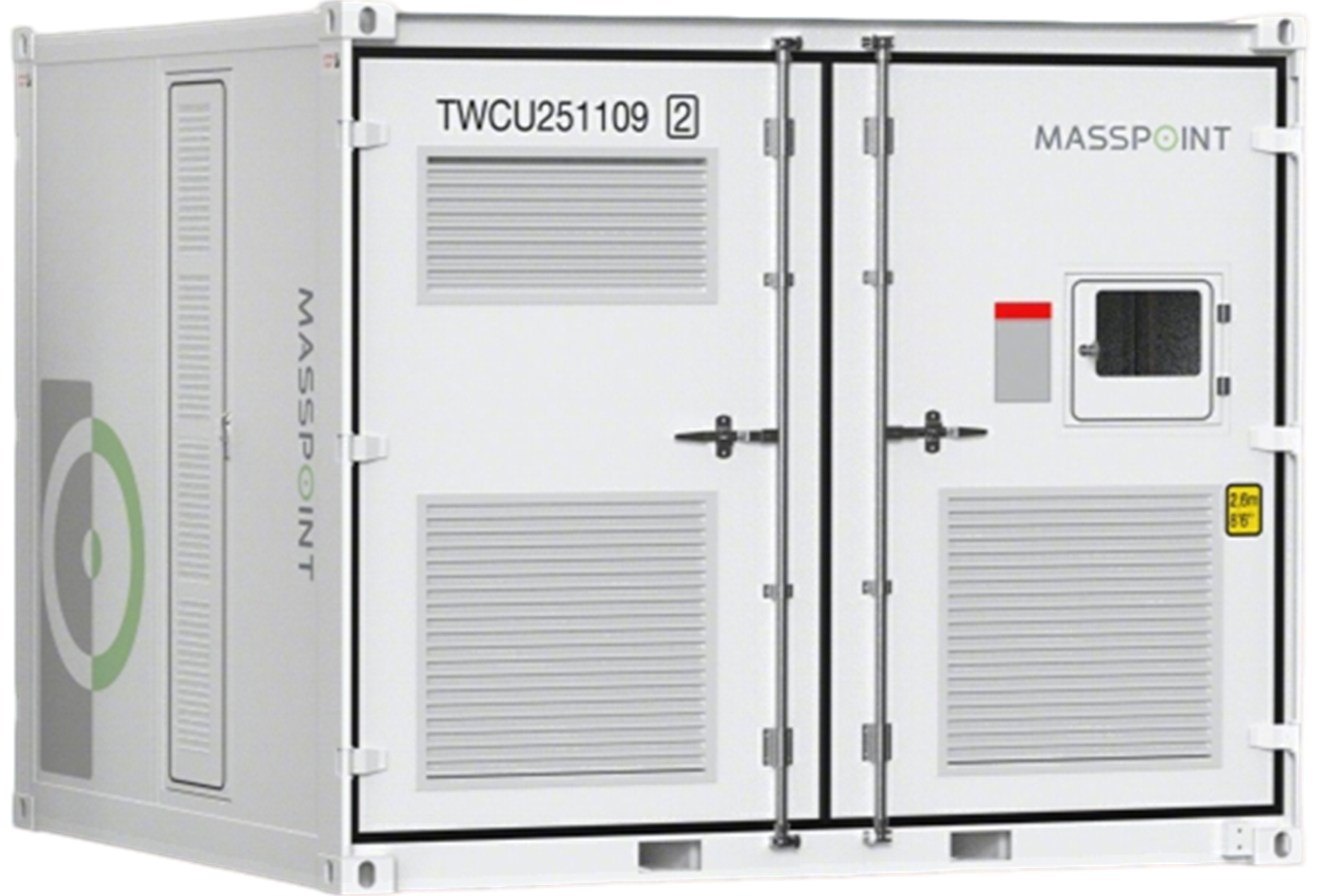 Industrial Hybrid BESS
 HEXA
HEXA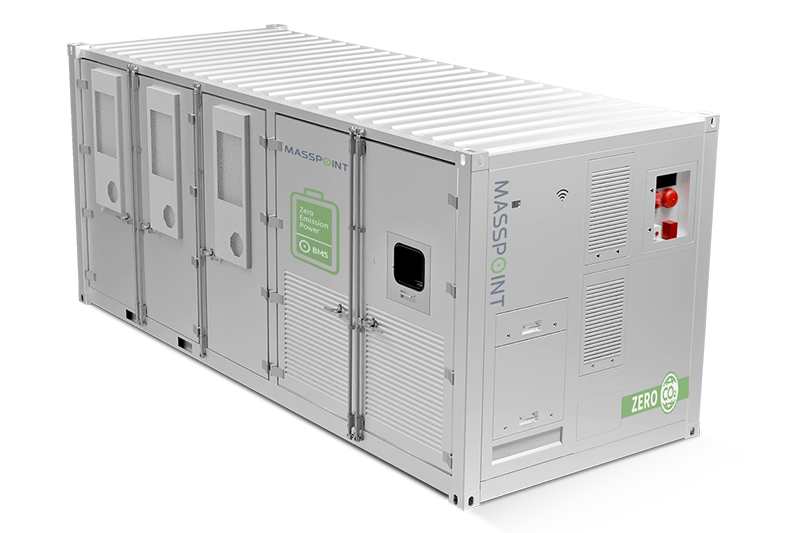 Micro-Grid BESS
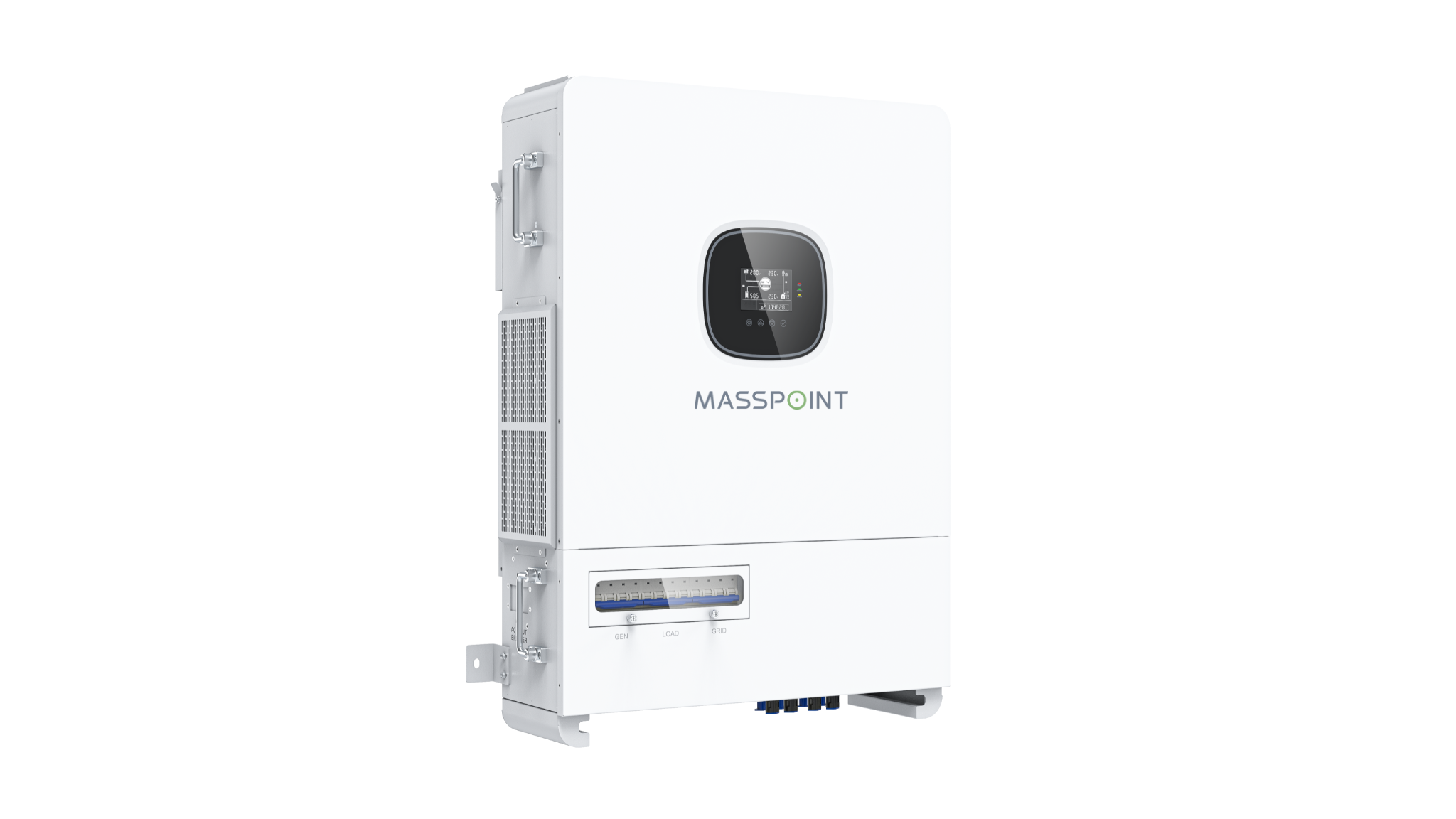 Solar Hybrid Inverter