In the fast-changing world of power storage devices, it's really important to get a handle on what OEM and ODM actually mean. I mean, if you ask someone like John Smith, who’s a lead engineer over at Energy Innovations, he’d probably tell you that "OEM and ODM are basically the backbone of modern power solutions." These terms refer to original equipment manufacturing and original design manufacturing – both pretty crucial when it comes to creating competitive, innovative products.
A lot of companies in this space rely on these strategies to stay ahead. OEM is all about customizing existing products to fit their needs, while ODM gives them the freedom to develop entirely new designs from the ground up. That said, it’s not all smooth sailing — questions around quality control and protecting intellectual property often pop up.
Some companies find it tricky trying to balance innovation and reliability at the same time. Relying a lot on third-party manufacturers? That can be risky. Sometimes, suppliers might not quite meet expectations, and that can be a real headache. Because of that, it’s super important for companies in the power storage game to pick their partners carefully. When done right, working with OEM and ODM partners can really give a boost and help you stand out in this super competitive market.
Definition of OEM and ODM in Power Storage Devices
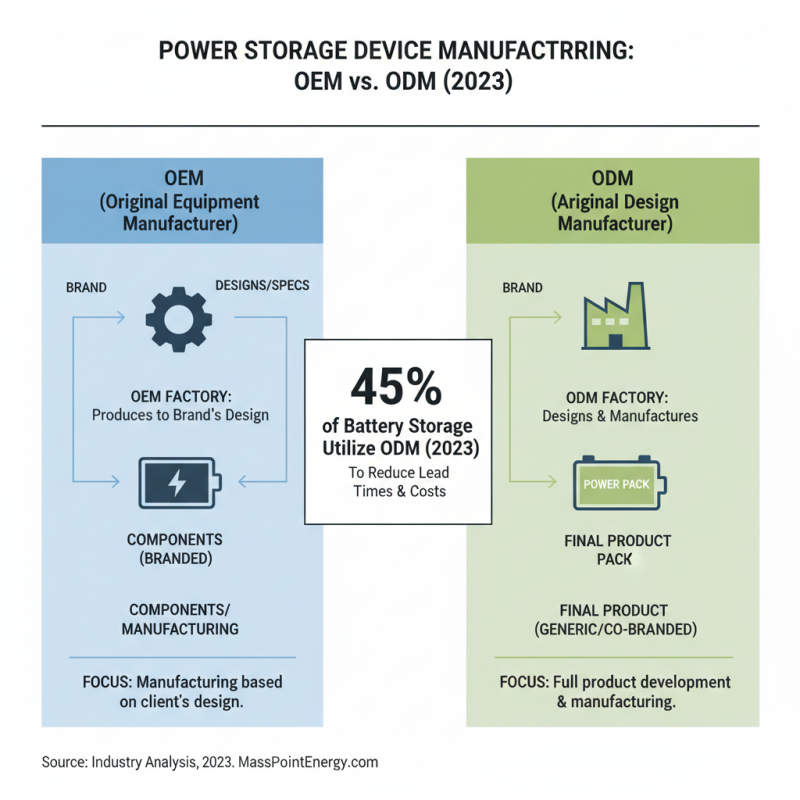
OEM (Original Equipment Manufacturer) and ODM (Original Design Manufacturer) play crucial roles in the power storage device industry. OEM focuses on producing components based on designs provided by brands, while ODM takes on the entire design and manufacturing process. As of 2023, nearly 45% of Battery Storage Device firms utilize ODM models to reduce lead times and costs.
The global market for battery storage devices is expanding rapidly. According to industry reports, this market is projected to reach over $180 billion by 2025. Many companies struggle with choosing between OEM and ODM. Cost savings are compelling with ODM, yet the risk of intellectual property infringement looms large. Many manufacturers underestimate the importance of strong design patents.
Quality control remains a significant challenge. Some ODMs fail to meet the precise standards needed for battery storage devices. This compromises safety and efficiency, leading to frequent recalls. Scrutinizing supply chains and maintaining proper communication can mitigate these risks. The choice between OEM and ODM is not merely a financial decision; it shapes product reliability and brand reputation.
The Role of OEM in Power Storage Device Manufacturing
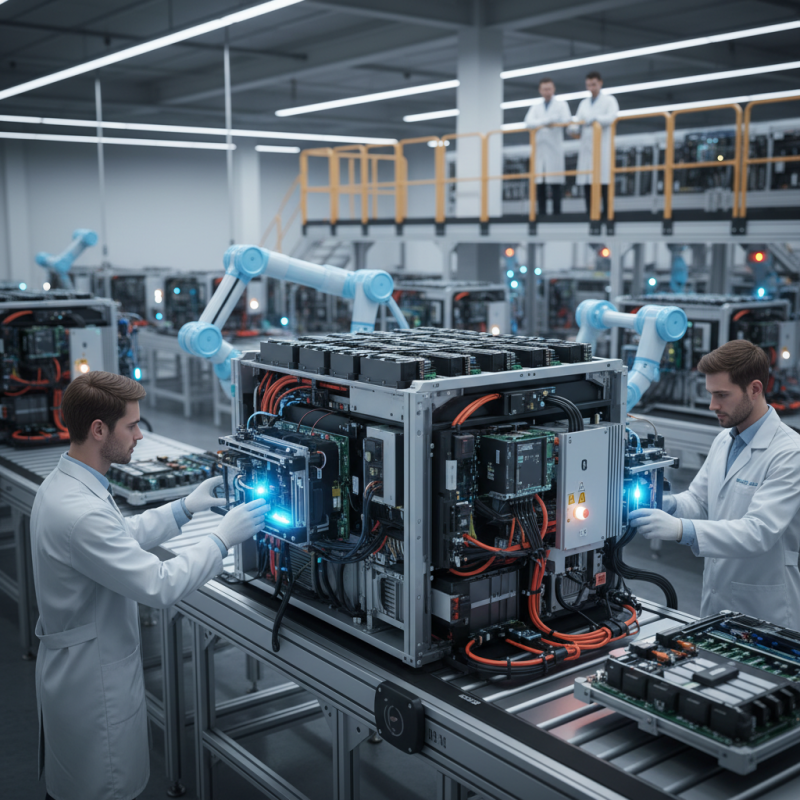
OEM, or Original Equipment Manufacturer, plays a crucial role in the power storage device industry. In this sector, OEMs design and manufacture power storage systems for other companies. They help these companies reduce costs and save valuable time. Working with OEMs allows businesses to focus on their core competencies, such as marketing and customer service.
The OEM process often involves collaboration. Design specifications and ideas flow between the OEM and the client. However, communication can sometimes falter. Misunderstandings may lead to products that do not meet expectations. This is a common oversight in the manufacturing world. It's essential to refine the dialogue throughout the production phase.
Quality control is another area where OEMs must improve. A lapse in quality assurance can lead to significant issues later on. Some power storage devices might not perform well, affecting end users. OEMs need to implement stringent checks to ensure reliability. This is vital for maintaining customer trust and satisfaction in an ever-competitive market.
OEM and ODM in Power Storage Device Manufacturing
This chart illustrates the production volume of OEM and ODM in the manufacturing of power storage devices. The data shows that OEM production accounts for a significant portion of the total capacity, indicating its crucial role in the industry.
Understanding ODM and Its Importance in Power Storage Solutions
ODM, or Original Design Manufacturing, plays a crucial role in the power storage device industry. It allows companies to focus on innovation while outsourcing product design and manufacturing. This approach significantly enhances efficiency. As per a recent market report, ODM arrangements can reduce production costs by up to 30%. Companies can invest these savings in research and development.
The importance of ODM in power storage solutions cannot be overstated. With growing demand for renewable energy storage, ODM services facilitate faster market entry. According to industry data, the global power storage market is expected to reach $390 billion by 2025. However, not all ODM partnerships are effective. Poor communication can lead to design errors and delays, undermining potential advantages.
Moreover, companies may struggle to maintain a clear brand identity when relying too heavily on ODMs. A balance must be found between outsourcing and in-house capabilities. While ODMs reduce burden, they can also create dependency. This dependency might hinder a company’s ability to adapt to market changes. Navigating these challenges is vital for long-term success in the competitive power storage sector.
What is OEM ODM in Power Storage Device Factories?
| Dimension |
ODM Definition |
Importance in Power Storage |
| Definition |
Original Design Manufacturer (ODM) refers to a company that designs and manufactures products that are sold under another company’s brand. |
It allows brands to offer customized power storage solutions without investing heavily in R&D. |
| Cost Efficiency |
ODM reduces costs associated with development and production. |
Enables manufacturers to provide competitive pricing on power storage devices. |
| Time to Market |
ODMs have established processes that expedite the production schedule. |
This is crucial in the rapidly evolving power storage market. |
| Customization |
Many ODMs offer tailored solutions to meet specific client needs. |
Customization can enhance the performance and efficiency of power storage devices. |
| Quality Control |
ODMs often have rigorous quality assurance processes. |
Assures reliability and safety of power storage solutions. |
Key Differences Between OEM and ODM in the Industry
OEM and ODM are two distinct business models in the power storage device sector.
OEM, or Original Equipment Manufacturer, focuses on producing products based on specifications provided by brands.
In contrast, ODM stands for Original Design Manufacturer. This model involves designing and manufacturing products based on the manufacturer's concepts.
A recent market report indicates that the global OEM market in energy storage is expected to grow by 8.5% annually, highlighting the increasing demand for tailored solutions.
The key difference lies in the level of involvement. OEM contracts often lead to less creative control for manufacturers. They simply follow the brand's blueprints.
On the other hand, ODM allows manufacturers to showcase their innovation. They often spend more on R&D to design unique products.
A 2022 survey indicated that 60% of power storage manufacturers preferred ODM for its flexibility and creative possibilities.
However, not all manufacturers can easily shift from OEM to ODM due to resource constraints and expertise limitations.
Both models have their pros and cons.
OEM is generally simpler but may lead to less customer loyalty.
ODM, while promoting innovation, can result in higher costs.
Industry players need to assess their strengths carefully.
A recent analysis also pointed out that companies relying solely on OEM might face challenges in differentiation.
The market is evolving, and manufacturers must adapt.
Benefits of Partnering with OEM and ODM Factories
Partnering with OEM and ODM factories offers various advantages for companies in the power storage device industry. According to a recent market research report, the global power storage market is projected to grow at a compound annual growth rate (CAGR) of 20% from 2023 to 2030. This growth reflects increasing demand for energy-efficient solutions. By collaborating with OEM and ODM manufacturers, businesses can access cutting-edge technology and expertise, essential for developing innovative Backup Power Storage solutions.
Working with OEM and ODM factories can lead to cost savings. These collaborations often reduce production costs by leveraging existing infrastructure and resources. For example, a company utilizing an OEM can expect a reduction in manufacturing costs by up to 30% due to economies of scale, as reported in the Industry Insights 2023. However, companies must be cautious. Relying solely on external factories can lead to quality control issues if not managed properly. Regular audits and communication are vital to maintain standards.
Moreover, partnering with these factories allows for accelerated product development. The speed of getting products to market is crucial in a fast-paced industry. OEMs and ODMs often have streamlined processes that facilitate faster prototyping and testing cycles. As companies navigate this collaboration, they must reflect on their core competencies. Balancing in-house capabilities and outsourcing will ultimately determine success in the competitive landscape of Backup Power Storage devices.
Challenges Faced by OEM and ODM in Power Storage Device Production
OEM and ODM manufacturers face significant challenges in the production of power storage devices. The demand for efficient and innovative
Power Storage Battery
solutions has surged. According to recent industry reports, the global energy storage market is projected to grow at a
CAGR of over 20% by 2028. However, many manufacturers struggle to keep pace with this growth.
One major challenge is the rapid advancements in technology. Staying ahead requires constant investment in
research and development. Many OEMs and ODMs lack the resources to innovate consistently.
In addition, strict environmental regulations can slow down production. These regulations are necessary but can create bottlenecks.
Furthermore, managing supply chains effectively is increasingly complicated. Fluctuations in raw material prices, particularly lithium,
impact production costs and timelines.
Quality control is another area of concern. There are often discrepancies in battery performance. Ensuring consistency across batches
is a persistent struggle. OEMs and ODMs must navigate these problems while maintaining competitive pricing. This situation can lead to strained
relationships with clients.
The pressure for high-quality power storage solutions continues to mount, demanding reflection and adaptation from manufacturers.
Future Trends in OEM and ODM for Power Storage Technologies
The future of OEM and ODM in power storage technologies is evolving rapidly. As demand for energy storage rises, manufacturers are adapting their strategies. Companies are now seeking more customized solutions. Commercial Power Storage devices are becoming critical for industries. The focus is on flexibility and efficiency.
New innovations are coming to the forefront. Smart technology integration is essential. Manufacturers are exploring modular designs. This allows for easier scaling and adjustments. However, the shift brings challenges. Maintaining quality across varied production lines is difficult. Companies must invest in better training for their workforce.
Sustainability is another pressing concern. Eco-friendly materials in power storage devices are essential. Yet, sourcing these materials can be complex and costly. Balancing cost with sustainability needs careful reflection. The OEM and ODM model must evolve. Collaboration between manufacturers and suppliers is vital to enhance the supply chain.
FAQS
: The content aims to provide information on a specific topic.
It targets individuals seeking knowledge and insights.
It offers valuable perspectives and practical tips for personal growth.
Yes, readers are encouraged to reflect on their experiences.
Context matters; results may vary based on individual situations.
Improper application could lead to misunderstandings or missed opportunities.
Regular reviews can deepen understanding and promote continuous improvement.
Yes, flexibility is key; tailor the advice to fit your needs.
Reflection and adjustment may be necessary for better outcomes.
Yes, every action carries risk; weigh pros and cons carefully.
Conclusion
The article explores the concepts of OEM (Original Equipment Manufacturer) and ODM (Original Design Manufacturer) within the context of power storage devices. It begins by defining these terms and highlighting their significance in the manufacturing process. The role of OEMs is emphasized, showcasing their responsibility in producing power storage devices according to specific designs provided by other companies. Conversely, ODMs play a crucial role by offering both design and manufacturing services, which enhances innovation in power storage solutions.
The article also outlines the key differences between OEM and ODM, noting the unique advantages each offers in partnerships. Benefits of collaboration with these factories include access to advanced technology and efficient production processes. However, challenges such as supply chain issues and evolving market demands are acknowledged. Finally, the discussion points toward future trends in the industry, suggesting that both OEM and ODM will continue to adapt and innovate as the demand for efficient power storage devices grows.

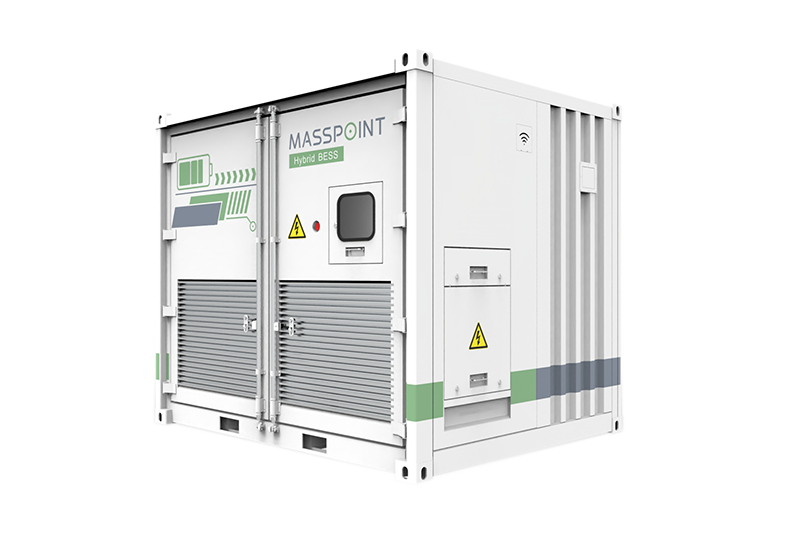 Products
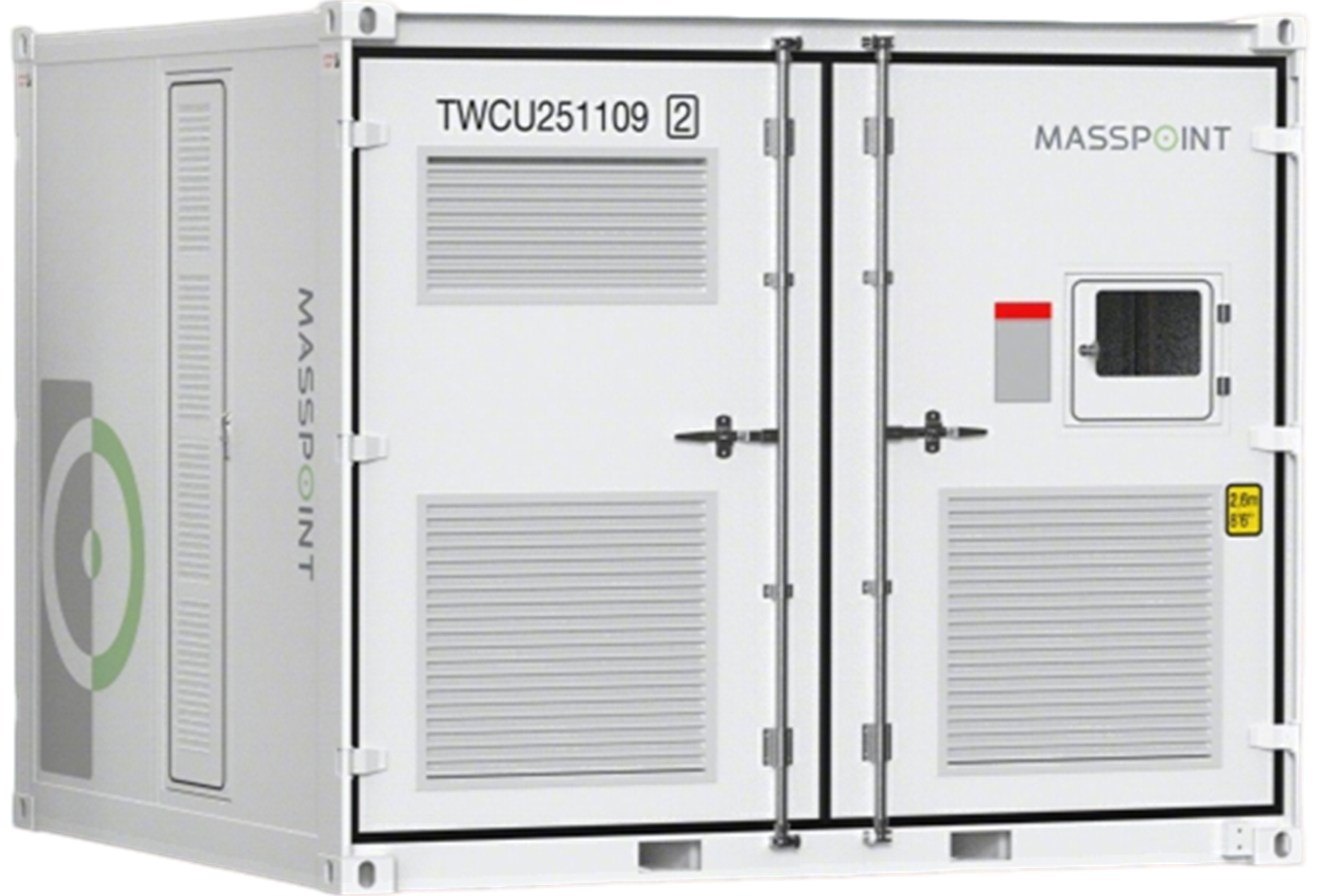 Industrial Hybrid BESS
 HEXA
HEXA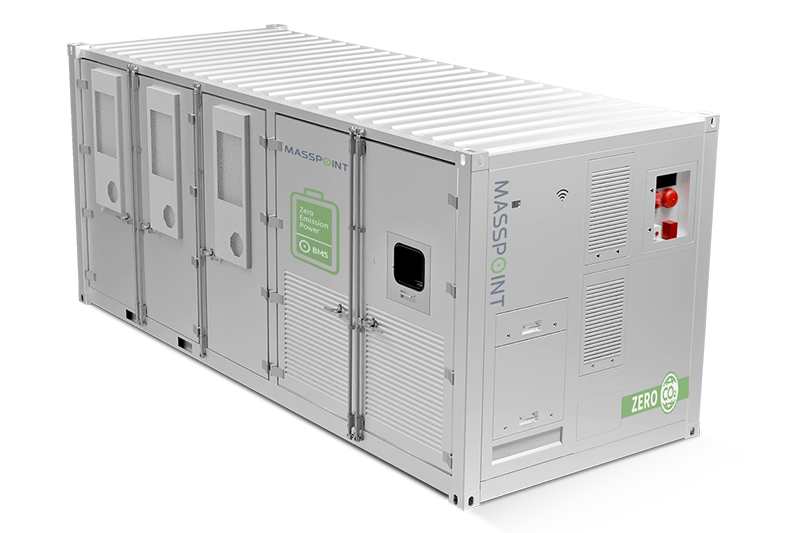 Micro-Grid BESS
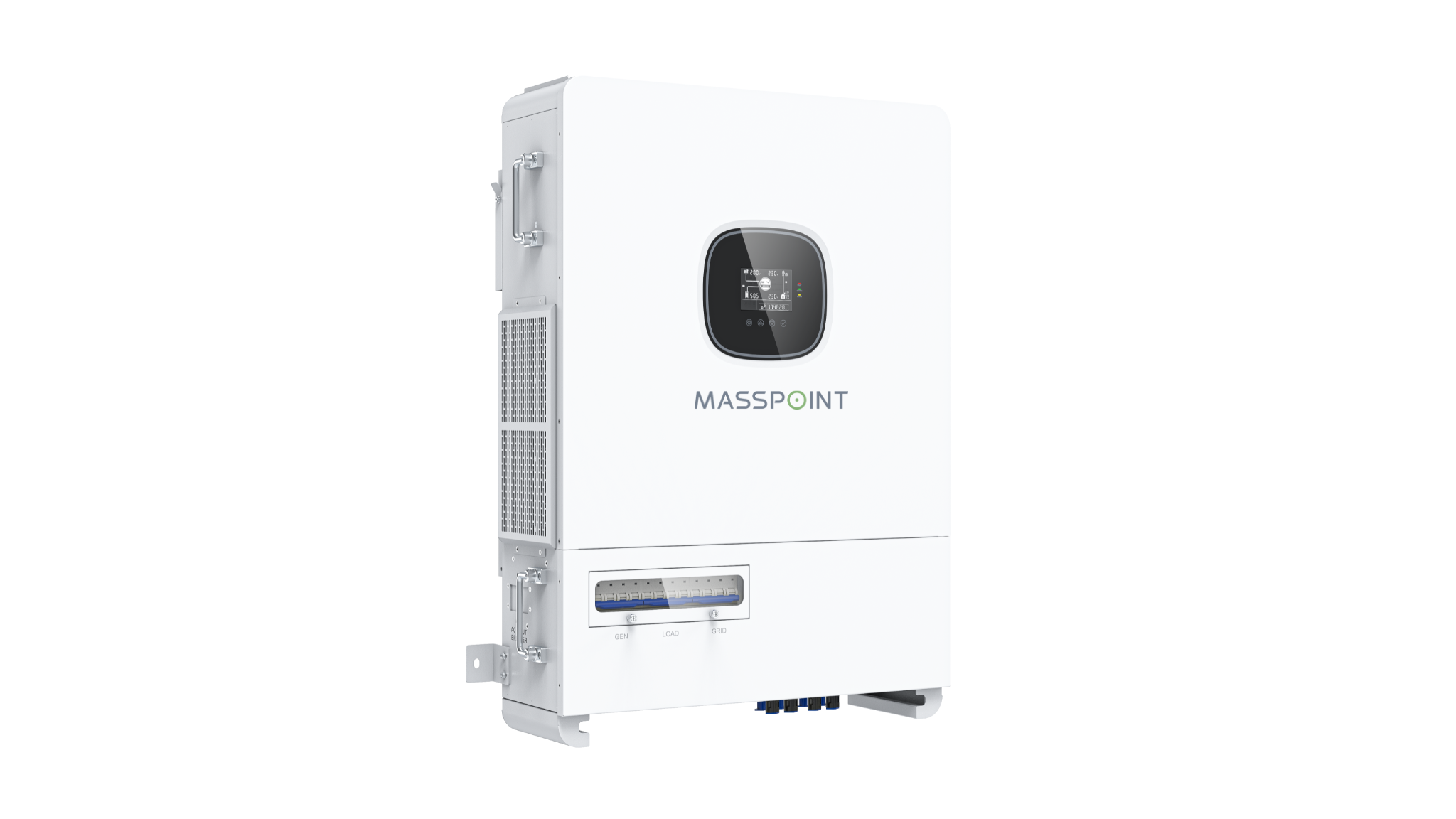 Solar Hybrid Inverter