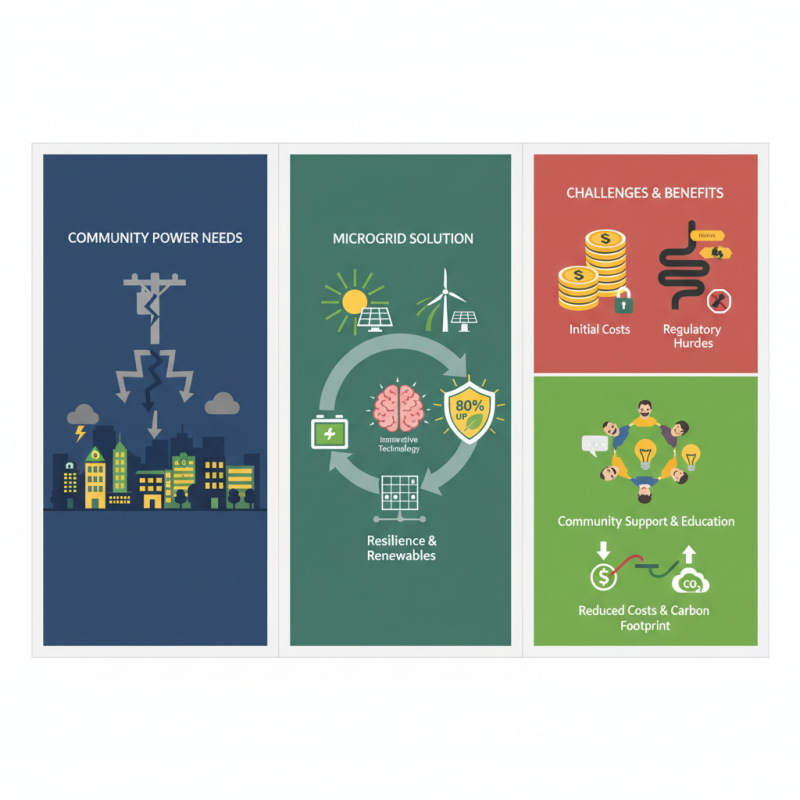
You might want to check out Microgrid Power Systems. They've really become a game-changer for modern communities these days. According to the U.S. Department of Energy, they can boost energy resilience by as much as 80%. That’s a pretty huge deal — it really shows how much folks are leaning towards decentralized energy solutions now. Especially with how critical reliable power has become, right?
A lot of communities are struggling with their old, aging power infrastructure, which often leads to outages and flaky service. That's where microgrids come in—they offer a pretty promising alternative. They can seamlessly bring in renewable sources like solar and wind, thanks to some pretty smart tech. Not only does this help cut down on carbon emissions, but it can also save money on utility bills, which is always a plus.
Of course, setting up these microgrid systems isn’t exactly a walk in the park. The upfront costs can be pretty steep, and sometimes regulations make things more complicated than they need to be. Plus, it’s really important to get the community involved and understand what these systems are all about. Without folks on board, the full benefits might never really be realized. Looking at these hurdles honestly helps us figure out better ways to tackle them and make the most of what microgrids can offer.
Understanding Microgrids: Definition and Importance for Communities
Microgrids are localized energy systems. They can operate independently or connect to larger grids. This flexibility makes them valuable for communities, especially during outages. As extreme weather events become more common, communities need reliable power. Microgrids provide resilience and enhance energy security.
Understanding microgrids is crucial. They can utilize renewable sources like solar or wind. This reduces dependence on fossil fuels. Communities can create sustainable energy ecosystems. Local energy production often lowers costs. However, integrating these systems can be complex. There may be initial infrastructure challenges. Local regulations can also hinder progress.
Communities might face difficulties in technology adoption. Education about microgrid benefits is necessary. Residents may be hesitant to change. For effective implementation, stakeholders must engage with the community. It's essential to address concerns and gather feedback. Each community has unique needs. Thoughtful planning is vital for success.
Key Components of Microgrid Power Systems and Their Functions
Creating efficient microgrid power systems involves understanding their key components. These components work together to provide reliable energy for communities. A typical microgrid includes generation sources, storage systems, and control systems.
Power generation can come from renewable sources like solar or wind. Reports suggest that communities using solar can reduce energy costs by up to 30%. Storage systems, such as batteries, ensure energy is available when needed. In many cases, energy storage can make systems 20% more efficient. Control systems manage energy flow and optimize performance. Proper configuration can increase resilience during outages.
Tips: Always assess local energy needs before designing your system. Engage the community for input. It promotes a sense of ownership. Stocking spare parts is crucial. Supply chain issues can delay maintenance.
While microgrid systems show great promise, they are not perfect. Challenges include high initial costs. Communities often struggle with funding. Awareness of all potential issues is essential. Tailoring solutions to local needs is vital for success.
Assessing Energy Needs and Resources for Community Microgrids
Assessing energy needs is crucial for creating efficient microgrid power systems. Communities must evaluate their existing resources. Surveys can highlight specific demands and energy consumption patterns. This granular data helps tailor solutions. For instance, some reports indicate that over 40% of rural communities face energy insecurity.
Understanding local resources can lead to better energy independence. For example, regions with ample sunlight might prioritize Off Grid Solar Power Systems. These systems harness renewable energy effectively, reducing reliance on fossil fuels. Studies suggest that implementing these systems could cut energy costs by up to 30% for local users.
Yet, challenges remain. Not all areas can easily adopt solar technologies. Some communities struggle with upfront costs and lack of technical knowledge. Moreover, maintaining these systems requires skilled personnel. Therefore, ongoing training and financial assistance are essential. Balancing energy needs with available resources is a complex but vital task.
Designing an Efficient Microgrid: Best Practices and Strategies
Designing an efficient microgrid requires careful planning and consideration. According to the U.S. Department of Energy, microgrids can improve reliability and resilience by up to 50%. Communities must assess their energy needs before proceeding. This involves analyzing current consumption patterns and future demands.
Incorporating renewable energy sources is crucial. Solar and wind are popular choices. A 2022 report from the National Renewable Energy Laboratory suggests that integrating these sources can reduce emissions significantly. However, balancing supply and demand is challenging. Communities must deploy energy storage systems to manage intermittent generation effectively. This is essential for maintaining stability.
Tip: Engage the community early in the planning process. Their input can provide valuable insights and foster support for the microgrid initiative.
Investing in smart grid technology enhances efficiency. Monitoring and control systems optimize energy usage in real time. Yet, the initial setup costs can be high. Communities need to weigh the long-term savings against upfront expenses. Continuous assessment helps in improving system design and performance.
Tip: Start small and scale up. A pilot project can identify potential issues before full deployment. It's a learning opportunity for future expansions.
Integrating Renewable Energy Sources into Microgrid Systems
Integrating renewable energy sources into microgrid systems offers a promising path for community resilience. In recent studies, communities using solar energy and wind power reported up to 30% reduction in energy costs. However, the transition isn't without challenges. Many microgrids struggle with energy storage solutions. This is where Battery Power Storage Systems come into play.
These systems allow communities to store excess energy for later use. According to the International Renewable Energy Agency (IRENA), battery technologies can increase the efficiency of renewable resources by up to 60%. Yet, the initial costs of these systems can be daunting. Smaller communities may find it difficult to justify the investment. Additionally, maintenance and operational complexities can hinder effectiveness.
Moreover, not all renewable sources can provide a steady output. Solar energy production fluctuates with weather conditions. Wind energy is also inconsistent. Integrating multiple sources along with Battery Power Storage Systems could address these issues. One study found that a hybrid setup could boost reliability by 40%. Communities must evaluate these systems carefully to find the right balance. Doing so can lead to more sustainable and efficient energy solutions.
How to Create Efficient Microgrid Power Systems for Communities?
| Dimension |
Renewable Energy Source |
Capacity (MW) |
CO2 Reduction (tons/year) |
Cost Savings ($/year) |
| Community A |
Solar |
1.5 |
200 |
15,000 |
| Community B |
Wind |
2.0 |
250 |
20,000 |
| Community C |
Biomass |
1.2 |
180 |
12,500 |
| Community D |
Hydro |
3.0 |
300 |
25,000 |
| Community E |
Geothermal |
1.8 |
220 |
18,000 |
Managing Energy Storage Solutions for Optimized Microgrids
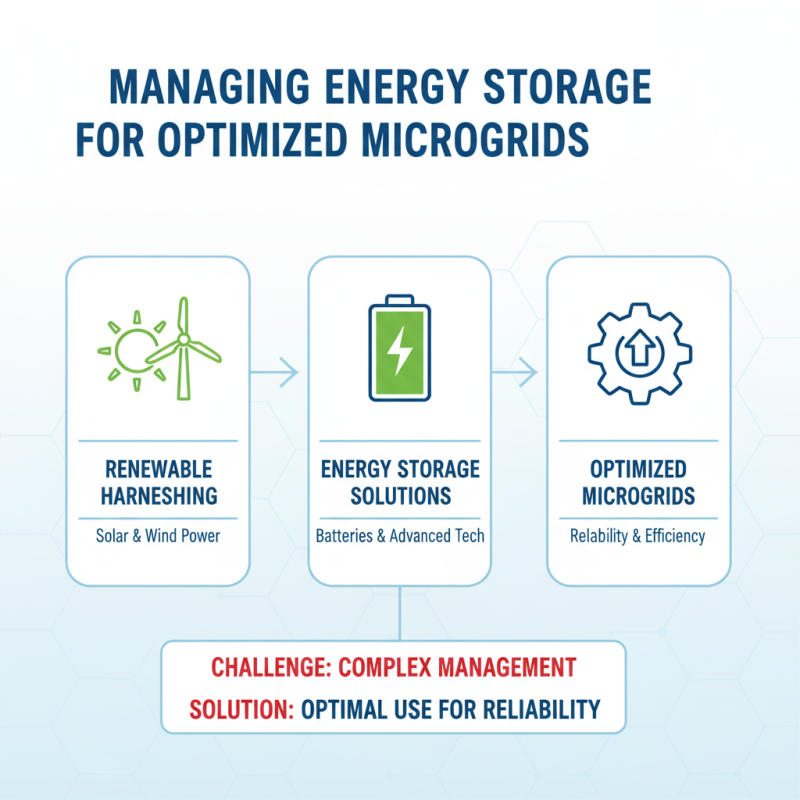
Efficient microgrid power systems depend heavily on energy storage solutions. These systems enable communities to harness renewable energy, such as solar and wind. However, managing energy storage can be challenging. Optimal use of batteries and storage technology is essential for reliability.
Tip: Choose energy storage systems with different capacities. This allows for better management of energy supply and demand. For instance, larger batteries can store excess energy during peak production. Smaller systems can provide swift energy during high demand times.
Balancing energy generation and consumption is tricky. Communities must consider their specific needs. Oversizing storage can lead to wasted resources. On the other hand, undersizing may cause outages. A careful assessment of energy patterns can help avoid these pitfalls.
Tip: Conduct regular audits of energy usage. This data can refine storage strategies over time. Knowing when energy demand spikes can lead to smarter storage implementations. Adaptation is key to optimizing microgrid efficiency.
Implementing Regulatory Frameworks and Community Engagement Strategies
Creating efficient microgrid power systems for communities requires a collaborative approach. Implementing regulatory frameworks is critical. These frameworks guide how communities develop energy systems. They ensure compliance while promoting innovation. Regular updates to these regulations help keep pace with technological advancements. This adaptability can be a challenge. Some communities may struggle to meet evolving guidelines.
Community engagement strategies are equally important. Involve residents early in the process. Their insights lead to better-designed systems. Host workshops or informational meetings to gather feedback. This builds trust and fosters a sense of ownership. However, not all voices will be heard equally. Open discussions may overlook quieter community members. Efforts must be made to encourage diverse participation.
In addition, explore Off Grid Power Generation Systems as alternative solutions. These systems can empower communities independent of the traditional grid. However, challenges exist in financing and technical support. Local governments might lack resources to assist efficiently. Acknowledging these weaknesses is essential for progress. Balancing regulation and community needs remains a constant journey.
Community Engagement in Microgrid Power Systems
Harnessing Intelligent Microgrid Solutions for Enhanced Efficiency in Western Australia's Mining Sector: Insights from Industry Reports
The mining sector in Western Australia faces significant operational challenges due to unpredictable electricity supply, particularly in industrial parks where garment factories rely heavily on consistent power for production and daily activities. According to industry reports, these facilities typically experience grid supply for only about four hours a day, which severely disrupts both production lines and day-to-day living conditions for workers. The instability not only affects output but also incurs additional costs in maintaining backup systems.
Harnessing intelligent microgrid solutions presents a viable pathway to mitigating these issues. By integrating renewable energy sources and advanced energy storage systems, microgrids can provide a more reliable and self-sufficient power supply. Reports indicate that implementing such solutions can enhance overall efficiency by up to 30%, which is crucial in a sector where every minute of downtime translates to significant financial loss.
Moreover, intelligent microgrid technology allows for real-time energy management, enabling factories to optimize their energy consumption based on availability and demand. With insights from various industry analyses, it is clear that transitioning to microgrid solutions could lead to long-term sustainability and cost savings, ultimately contributing to the robustness of Western Australia's mining industry amidst current energy challenges.
FAQS
: Key components include power generation sources, storage systems, and control systems. They work together for reliable energy.
Communities should conduct surveys to identify specific demands and consumption patterns. This data helps tailor solutions effectively.
Renewable sources like solar and wind reduce reliance on fossil fuels. They can significantly lower energy costs for communities.
High initial costs and funding difficulties hinder many communities. Technical knowledge and skilled personnel are also often lacking.
Energy storage is crucial for harnessing renewable energy. It helps balance the supply and demand effectively within the system.
Choose storage systems with varying capacities. This allows better management of energy supply and demand during peak times.
Maintaining systems requires skilled personnel. Ongoing training ensures communities can effectively manage and optimize their microgrids.
Engaging the community for input during the design process fosters a sense of ownership and enhances project success.
Oversizing leads to wasted resources, while undersizing may cause outages. A careful assessment of energy needs helps avoid these issues.
Regular audits provide insight into energy usage patterns. This information allows for smarter storage strategies and better efficiency.
Conclusion
Microgrid Power Systems are innovative solutions that empower communities to achieve energy independence and resilience. Understanding the definition and importance of microgrids is essential, as they provide localized power generation and distribution, enhancing energy security. Key components of these systems include generation sources, energy storage, and control technologies, each playing a vital role in ensuring optimal performance.
To design an efficient microgrid, it is crucial to assess the specific energy needs and available resources within the community. Best practices involve integrating renewable energy sources, which not only reduce dependency on traditional fuel but also support sustainability goals. Furthermore, effective management of energy storage solutions can optimize the performance of microgrid systems. Finally, implementing regulatory frameworks and community engagement strategies fosters collaboration and acceptance, ensuring the long-term success of Microgrid Power Systems in providing reliable energy for local communities.

 Products
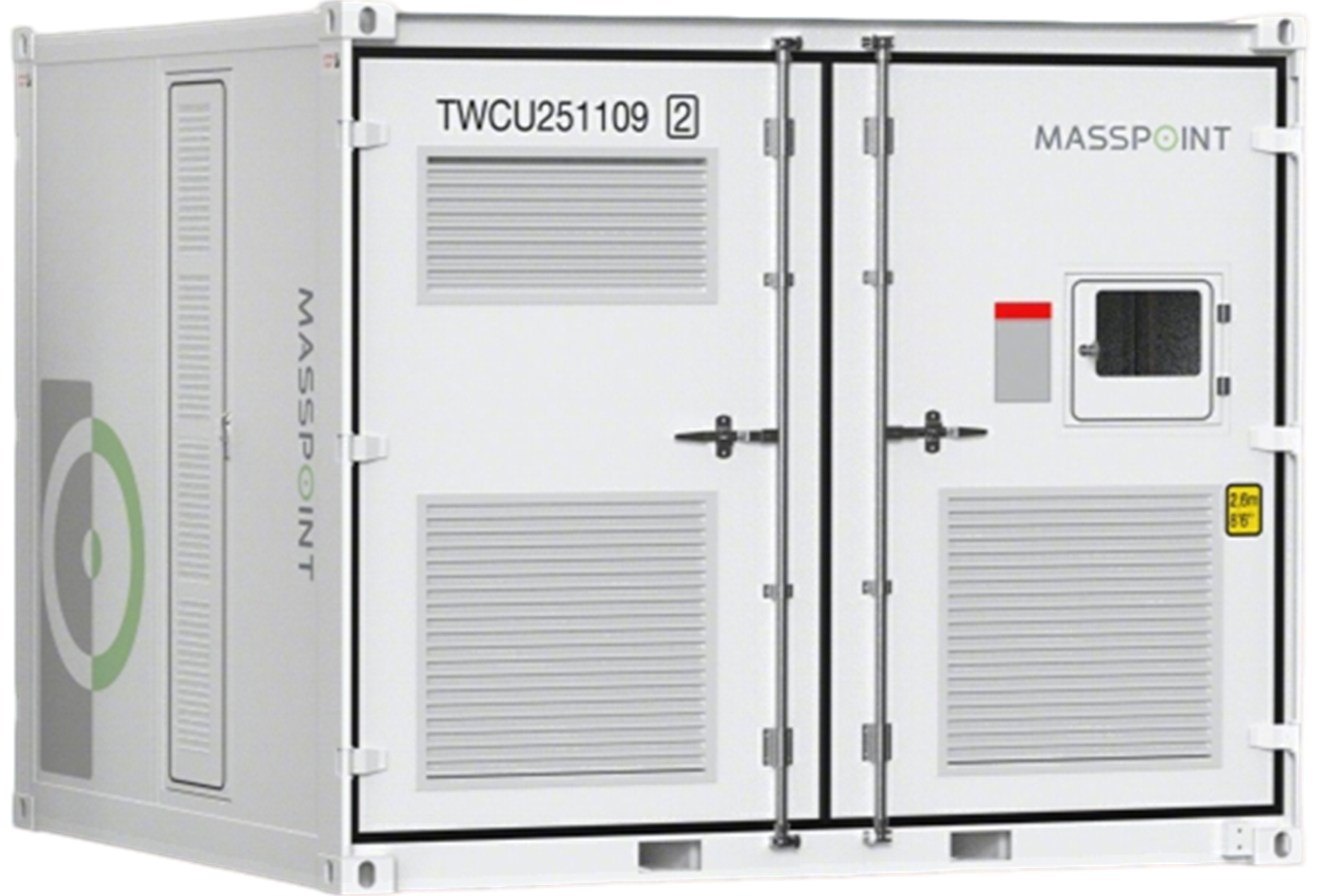 Industrial Hybrid BESS
 HEXA
HEXA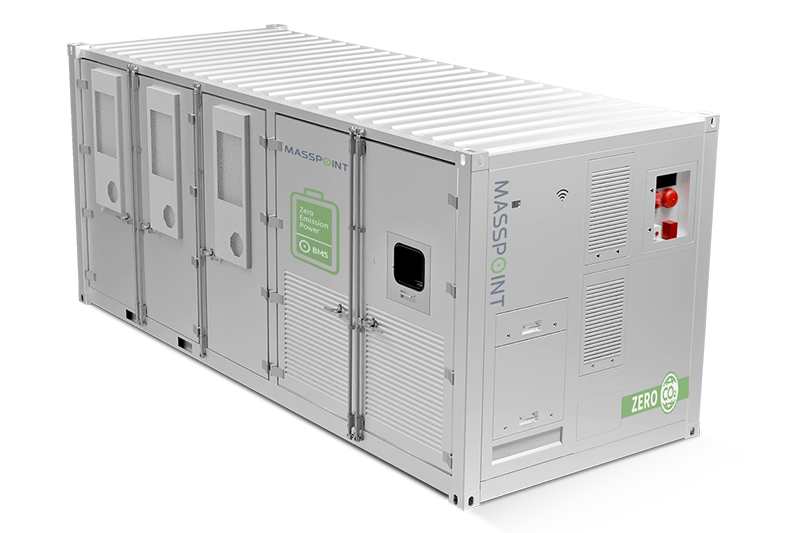 Micro-Grid BESS
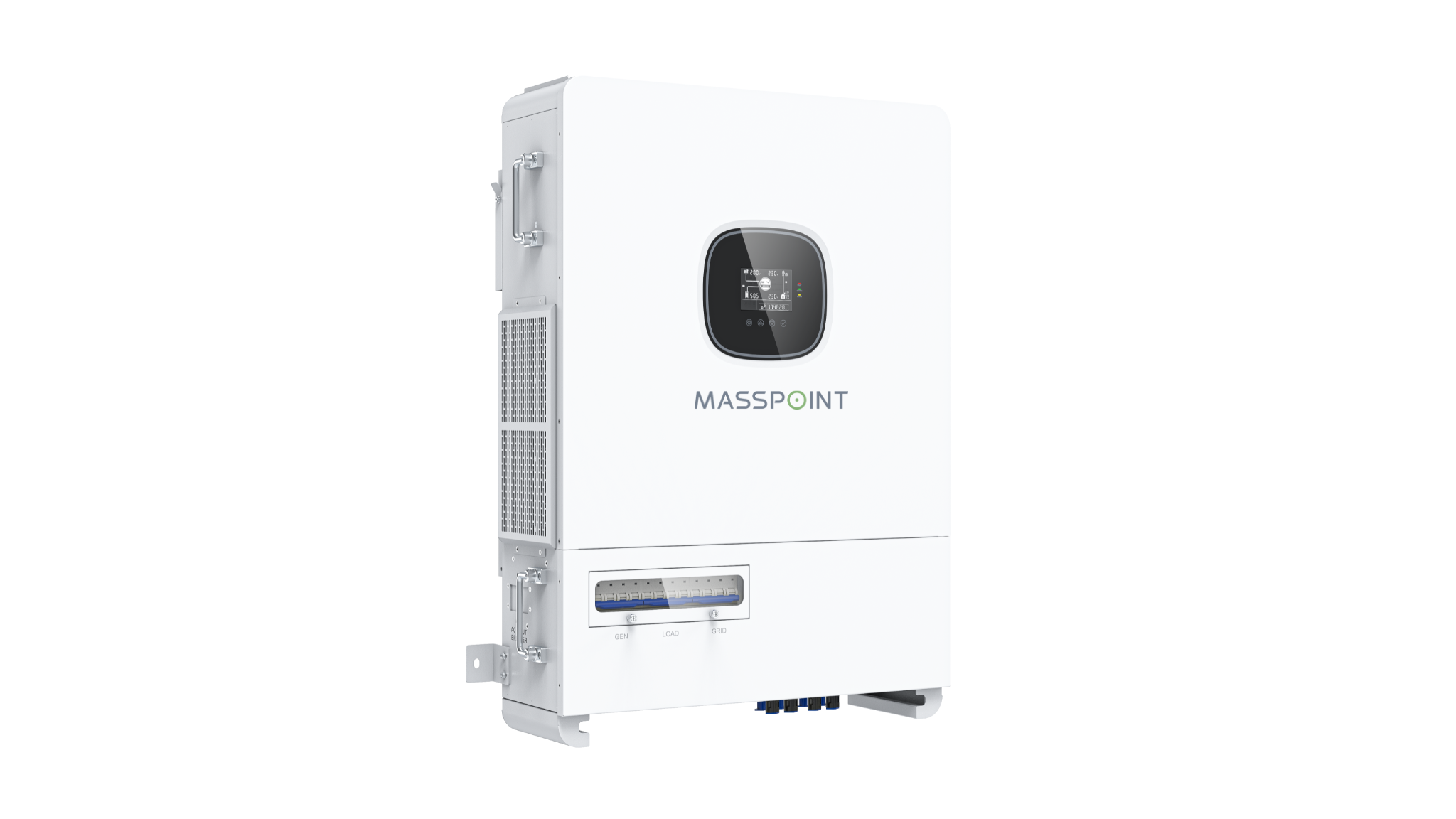 Solar Hybrid Inverter