Hey, in the fast-changing world of construction, it’s pretty clear that having reliable and efficient power sources is more important than ever. As more job sites need to be mobile and eco-friendly, construction battery solutions are really stepping up to meet those needs. I came across a report from Research and Markets that says the global market for construction batteries is expected to grow a lot — mainly because of advances in battery tech and the push towards greener building practices. Project managers are looking for ways to make things run smoother and cut down on traditional fuel use, and battery-powered tools are becoming a big part of that. Not only are they helping improve efficiency, but they also fit right into sustainability goals we’re all aiming for.
Thanks to new innovations in battery tech, we’re seeing some pretty solid and versatile battery options for construction sites. A study by MarketsandMarkets points out that lithium-ion batteries are likely to lead the charge, mainly because they pack a lot of energy and are getting cheaper. This shift means folks in construction can power more tools and machines without the usual hassle, which boosts productivity and cuts downtime. As I looked into the top 10 construction battery solutions, it’s pretty clear that these tech leaps aren’t just about quick fixes — they’re part of a bigger move towards eco-friendly building practices that’s gaining serious momentum.
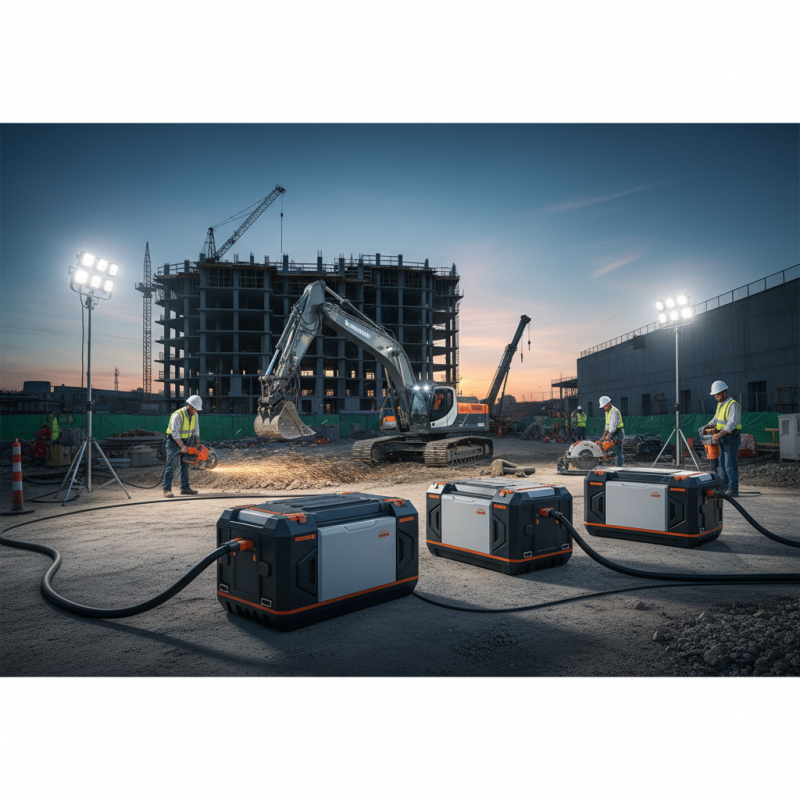
Overview of Construction Battery Solutions and Their Importance
Construction battery solutions have become increasingly important in modern job sites, offering a reliable and efficient power source essential for various tools and equipment. With over 50% of construction professionals indicating a growing reliance on battery-powered tools, the shift towards these alternatives reflects a substantial change in industry practices (National Institute of Standards and Technology, 2021). As construction projects demand more flexibility and sustainability, effective battery solutions contribute to minimizing downtime and enhancing productivity. A report by the International Energy Agency highlights that the transition to battery-powered solutions can reduce greenhouse gas emissions from the construction sector significantly, with estimates suggesting a reduction of up to 40% by 2030 if adopted widely.
Moreover, the importance of durable and efficient battery solutions cannot be overstated. According to market research from Grand View Research, the global construction battery market is projected to reach $8.2 billion by 2027, driven by increasing investments in infrastructure projects and the need for portable energy sources. Advanced battery technologies, including lithium-ion and emerging solid-state batteries, offer not only enhanced performance but also longer operational lifespans. This transition not only improves worker safety by reducing the risk associated with fuel-powered equipment but also aligns with the growing emphasis on eco-friendly practices within the industry. As job sites evolve, the role of battery solutions will continue to play a pivotal part in shaping efficient, sustainable construction practices.
Key Features to Consider in Job Site Battery Systems
When selecting battery solutions for construction job sites, several key features must be taken into account to ensure efficiency and reliability. One crucial aspect is energy density, which directly impacts how long the battery can power equipment before needing a recharge. According to the U.S. Department of Energy, advancements in battery technology, particularly lithium-ion batteries, have led to significant improvements in energy density, with some models now exceeding 200 Wh/kg. This enhanced capacity allows construction teams to operate tools longer without interruptions, which is essential for maintaining productivity on busy job sites.
Another important consideration is the battery's charging time and cycle durability. Reports from industry analyses indicate that rapid charging capabilities can significantly reduce downtime, with some modern systems allowing for up to 80% charge in just one hour. Additionally, the lifespan of the battery, closely related to its cycle durability, can influence overall costs and efficiency. A battery system that can withstand a higher number of charge cycles—often upwards of 2,500 cycles—can prove more economical in the long run, minimizing the need for frequent replacements and ensuring uninterrupted power supply during critical operations.
Lastly, the resilience of battery systems against harsh environmental conditions cannot be overlooked. Construction sites often expose equipment to dust, moisture, and extreme temperatures. Studies highlight that battery systems with robust housings and better thermal management provide enhanced performance and longevity under these conditions, thereby reducing maintenance costs and extending operational life. Therefore, careful evaluation of these key features will help construction teams choose the most effective battery solutions for their specific needs.
Top 10 Construction Battery Solutions for Efficient Job Site Power - Key Features to Consider in Job Site Battery Systems
| Battery Model |
Capacity (kWh) |
Weight (lbs) |
Operating Temperature (°F) |
Charge Time (hrs) |
Lifespan (cycles) |
Key Feature |
| Model A |
18 |
45 |
-4 to 104 |
2 |
2000 |
Fast Charge |
| Model B |
24 |
50 |
-20 to 120 |
3 |
1500 |
Lightweight |
| Model C |
30 |
60 |
-10 to 95 |
4 |
2500 |
High Capacity |
| Model D |
16 |
40 |
0 to 100 |
2.5 |
1800 |
Durable Design |
| Model E |
22 |
55 |
-15 to 105 |
3.5 |
2200 |
Smart Technology |
| Model F |
28 |
65 |
-25 to 110 |
5 |
2000 |
Eco-Friendly |
| Model G |
20 |
49 |
-10 to 100 |
3 |
1600 |
Quick Swap |
| Model H |
26 |
58 |
-20 to 120 |
4.5 |
1900 |
Modular Design |
| Model I |
32 |
70 |
-5 to 95 |
6 |
2500 |
High Discharge Rate |
| Model J |
14 |
38 |
0 to 100 |
2 |
1500 |
Compact Size |
Top 10 Battery Technologies for Construction Applications
In the construction industry, the demand for efficient and reliable power solutions has led to significant advancements in battery technologies. A recent report by the International Energy Agency indicates that the global market for battery storage systems is expected to grow considerably, with expectations for a compound annual growth rate (CAGR) of over 20% through 2025. This surge is largely due to the increasing need for sustainable practices on job sites, driving the adoption of batteries that can provide clean energy and reduce reliance on fossil fuels.
Among the most promising battery technologies for construction applications are lithium-ion batteries, which have become the standard for many portable power tools due to their high energy density and long cycle life. Additionally, emerging technologies such as solid-state batteries and flow batteries are garnering attention for their potential to enhance safety and efficiency. According to a report by McKinsey & Company, solid-state battery technologies could increase energy density by up to 50%, making them highly attractive for heavy machinery and larger equipment on construction sites.
Moreover, the use of energy storage systems, including grid-forming batteries, is becoming essential in integrating renewable energy sources. A survey from the Association of Equipment Manufacturers highlights that nearly 60% of construction firms are exploring battery-powered equipment to improve operational efficiency and reduce emissions. As this trend continues, the focus on innovative battery technologies is set to transform how construction companies approach power management and sustainability on job sites.
Comparative Analysis of Battery Brands and Models
In the realm of construction, the efficiency of job site operations heavily relies on reliable power sources. A comparative analysis of various battery brands and models highlights key considerations that can aid construction teams in selecting the optimal solution for their needs. Important factors include battery capacity, charge time, and durability, as these elements directly influence the performance of tools and equipment on-site. Understanding the distinct advantages and limitations of different battery technologies can empower project managers to make informed choices that enhance productivity.
When evaluating battery solutions, it is essential to examine the specific requirements of various construction tasks. For instance, some batteries offer rapid charging capabilities, allowing for minimal downtime during critical phases of work. Others may provide extended run times, suitable for projects that demand long-lasting power throughout the day. Additionally, robust construction and resistance to environmental factors—such as temperature variations and moisture—are vital for batteries to withstand the rigors of job sites. A thorough assessment of these features enables teams to align their power sources with operational needs, ultimately contributing to a more efficient job site environment.
Best Practices for Maintaining Job Site Batteries
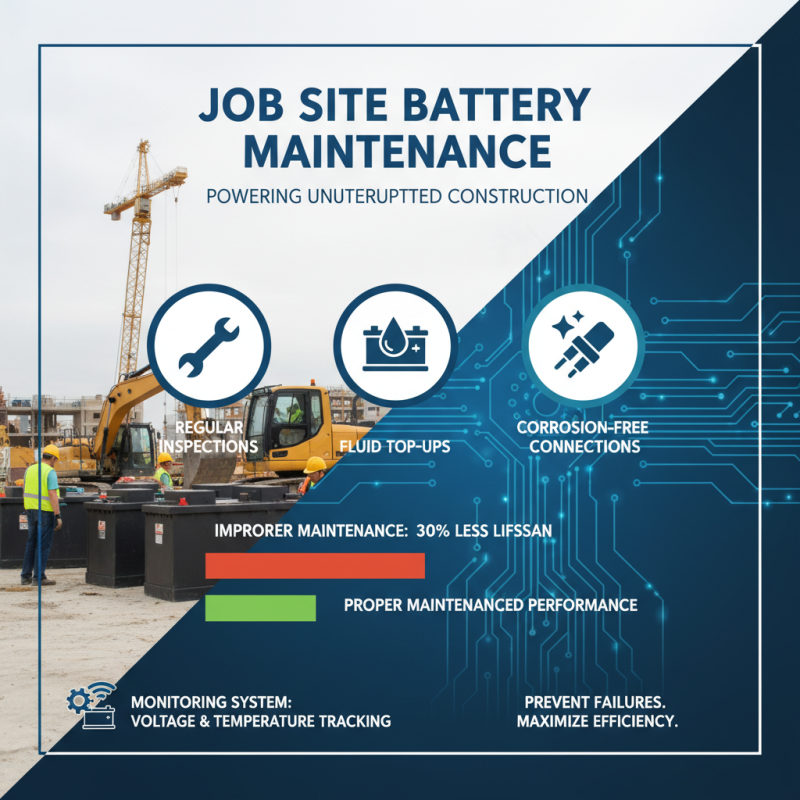
Maintaining job site batteries is crucial for ensuring uninterrupted power supply and maximizing the efficiency of construction operations. According to a report by the Battery Council International, improper battery maintenance can lead to a staggering 30% decrease in lifespan. Regular inspections, top-ups of fluid levels, and ensuring connections are free of corrosion can significantly enhance performance. Implementing a monitoring system that tracks voltage and temperature can also help prevent unexpected failures, ensuring that the tools and machinery remain operational, even under the most demanding conditions.
Additionally, charging practices play a pivotal role in battery longevity. A study from the National Institute of Standards and Technology suggests that consistent overcharging can reduce battery capacity by up to 20%. Therefore, establishing a controlled charging regimen tailored to the specific type of battery being used is vital. Furthermore, investing in high-quality chargers that automatically adjust to the battery's needs can provide optimal charging cycles, thereby extending the life of the batteries used on-site. For construction managers, these best practices not only optimize operational efficiency but also contribute to substantial cost savings in battery replacement and maintenance.
Case Studies: Successful Implementations of Battery Solutions
In the evolving landscape of construction, battery solutions have emerged as crucial components for enhancing job site efficiency. One notable case study involves a large infrastructure project where the implementation of battery storage systems allowed for a significant reduction in reliance on traditional fuel generators. By utilizing portable battery packs, the team was able to power tools and machinery sustainably, resulting in an overall cost saving of 20%. This shift not only provided a quieter working environment, minimizing disturbances for nearby residents, but also showcased the potential of renewable energy sources in construction settings.
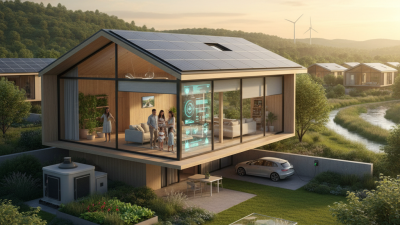
Another successful application can be observed in a residential building project that employed battery energy storage systems to support off-grid operations. By integrating solar panels with battery solutions, contractors were able to ensure a steady power supply even during peak usage times. The flexibility of the battery system enabled the crew to work around the clock, significantly reducing project timelines. This approach also enhanced the project's sustainability credentials, as the energy produced was primarily renewable, demonstrating that energy independence is achievable in construction without sacrificing efficiency.
Future Trends in Construction Battery Technologies
The construction industry is undergoing a significant transformation with the advent of advanced battery technologies. As job sites increasingly rely on portable power solutions, future trends indicate a shift towards lithium-ion and solid-state batteries due to their superior energy density and efficiency. According to a recent report by the International Energy Agency, the uptake of batteries in construction is projected to grow by over 20% annually through 2030, driven by demands for sustainable practices and reducing greenhouse gas emissions.
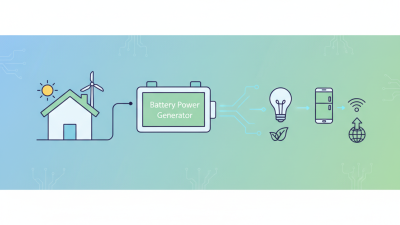
Furthermore, the integration of renewable energy sources with battery storage is set to revolutionize job site power management. Innovations such as grid-connected batteries can store solar energy harnessed during the day for use during non-sunny hours, significantly lowering operational costs and reliance on fossil fuels. Moreover, advancements in charging technologies, including fast and wireless charging solutions, are expected to enhance productivity by minimizing downtime related to equipment charging. As these trends evolve, construction firms will likely prioritize energy-efficient solutions that not only power their operations but also contribute to broader sustainability goals within the industry.
Harnessing Flexibility: The Hexa Battery Energy Storage System for Diverse Energy Solutions
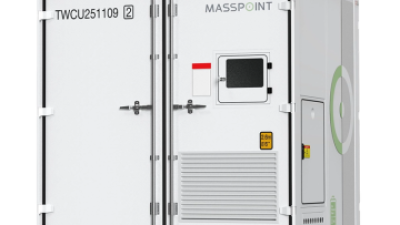
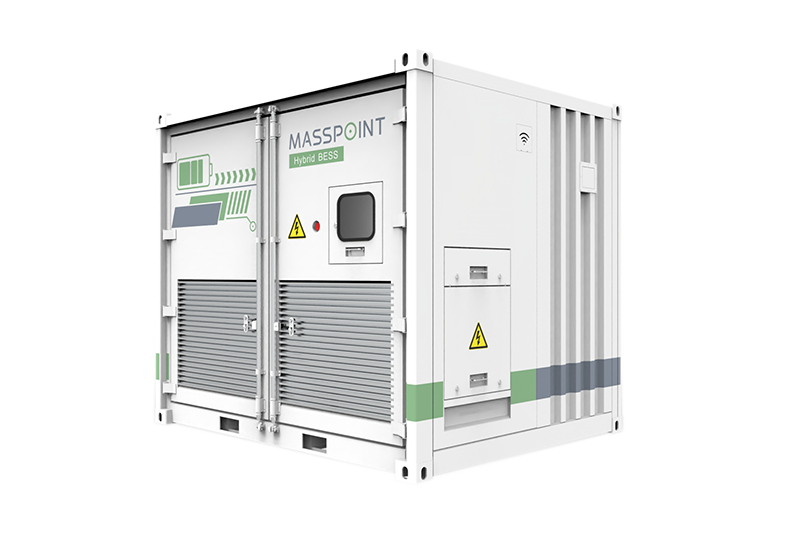
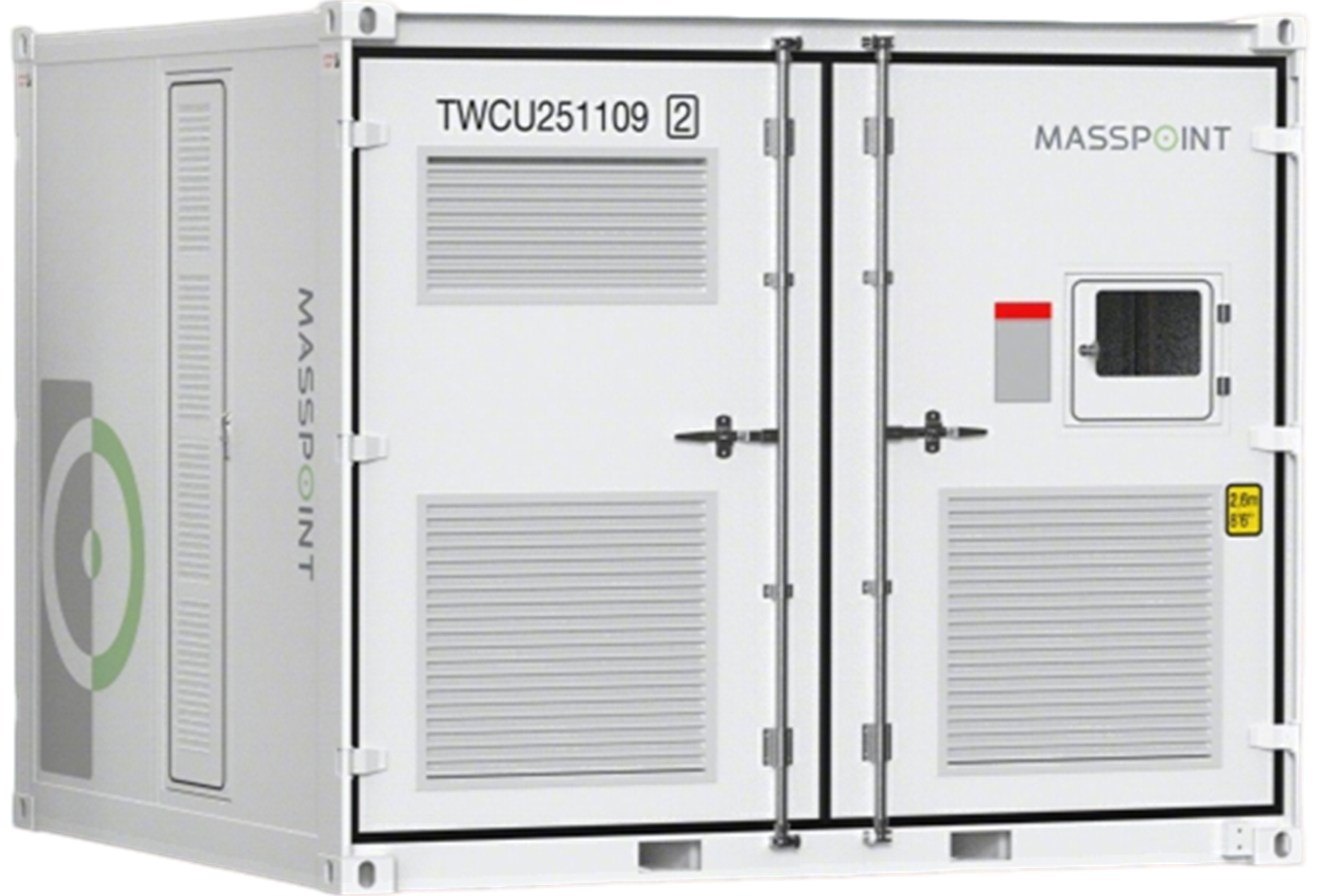
The Hexa Battery Energy Storage System (BESS) is designed to provide advanced power management solutions tailored for a variety of demanding environments, including construction sites, industrial facilities, and off-grid locations. With its robust engineering, the Hexa BESS excels in harsh conditions, significantly reducing the need for diesel fuel and decreasing both fuel consumption and carbon emissions. Its ability to connect seamlessly with generators or local grids ensures a reliable power supply, essential for operating heavy machinery and critical services.
One of the standout features of the Hexa BESS is its modular architecture, which allows for quick deployment and scalability. This flexibility enables operators to easily adjust their energy resources according to fluctuating needs. Additionally, the intelligent remote control system enhances operational efficiency, providing users with real-time data to manage their power consumption effectively. By harnessing the adaptability of the Hexa BESS, organizations can not only achieve cleaner and quieter operations but also forge a path toward smarter energy solutions that meet the demands of today’s fast-paced industrial landscape.
FAQS
: The most promising battery technologies for construction applications include lithium-ion batteries, solid-state batteries, and flow batteries. Lithium-ion batteries are widely used for portable power tools, while solid-state batteries offer increased energy density and safety.
The growing demand is driven by the need for efficient and reliable power solutions, sustainable practices on job sites, and a shift towards reducing reliance on fossil fuels.
The global battery market is expected to grow at a compound annual growth rate (CAGR) of over 20% through 2025.
Battery technologies can enhance operational efficiency by providing clean energy, reducing emissions, and allowing for more effective integration of renewable energy sources into job site operations.
Important factors include battery capacity, charge time, durability, rapid charging capabilities, and resistance to environmental conditions such as temperature variations and moisture.
Energy storage systems, including grid-forming batteries, are essential for integrating renewable energy sources and improving operational efficiency on construction sites.
Understanding the distinct advantages and limitations of various battery technologies enables project managers to make informed choices that enhance productivity and meet the specific demands of construction tasks.
Solid-state batteries potentially increase energy density by up to 50%, making them attractive for applications requiring higher power output, such as heavy machinery on construction sites.
Nearly 60% of construction firms are exploring battery-powered equipment to improve operational efficiency and reduce emissions.
Battery performance directly influences the efficiency and effectiveness of tools and equipment on-site, impacting overall productivity and project timelines.
Conclusion
The article titled "Top 10 Construction Battery Solutions for Efficient Job Site Power" highlights the significance of Construction Battery systems in enhancing productivity and efficiency at job sites. It begins with an overview of various construction battery solutions, emphasizing their role in meeting the energy demands of modern construction projects. Key features to consider when selecting battery systems are discussed, including capacity, durability, and charge time.
Furthermore, the article presents a comparative analysis of different battery technologies tailored for construction applications, along with best practices for maintaining these systems to ensure longevity and reliability. Case studies of successful implementations illustrate the practical benefits of adopting advanced battery solutions in the industry. Finally, the article explores future trends in Construction Battery technologies, indicating a shift towards more sustainable and powerful options, ultimately paving the way for a more efficient construction landscape.

 Products
 Industrial Hybrid BESS
 HEXA
HEXA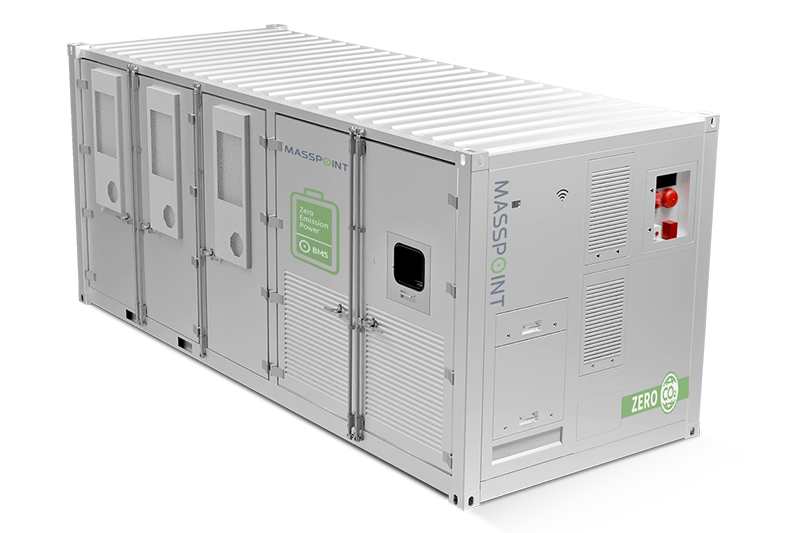 Micro-Grid BESS
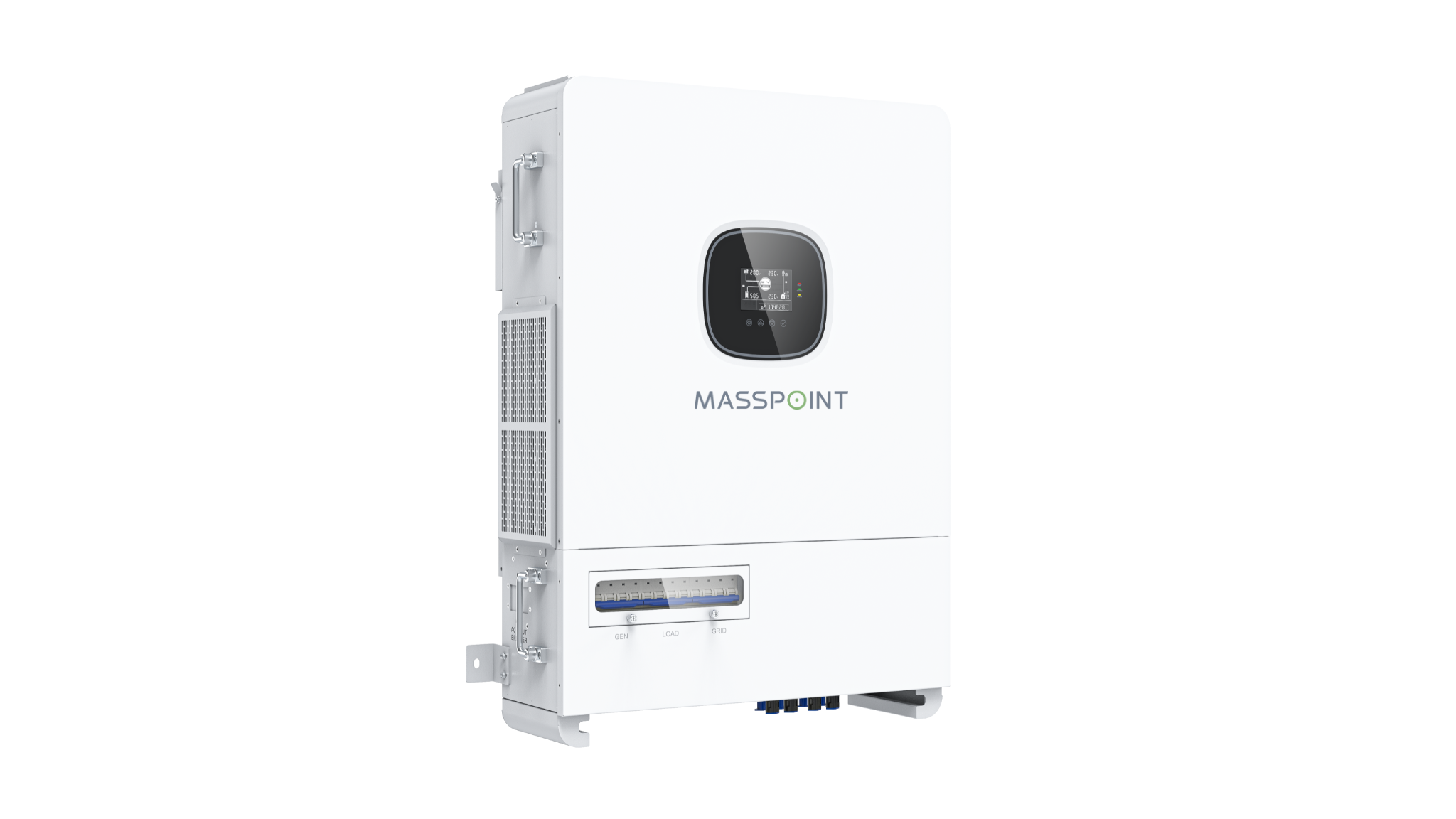 Solar Hybrid Inverter