As we work towards a more sustainable future, implementing Energy Efficiency Systems has become a pretty important part of cutting down on energy use and helping the environment. By 2025, it's really crucial for households, businesses, and communities to get on board with new tech and smart practices that boost energy efficiency. These systems aren’t just about saving money on utilities—they also play a big role in fighting climate change.
What does integrating these systems look like? Well, it includes a mix of stuff like better insulation methods, smart appliances that adapt to your needs, and switching over to renewable energy sources. Putting an emphasis on these solutions means we’re not just making our homes more comfortable—we’re also making them greener and reducing our carbon footprint. Plus, when more people jump on this bandwagon, we can really push forward technological innovation and economic growth in the green sector.
In this chat, we’ll cover the key parts needed to successfully roll out Energy Efficiency Systems, share tips on how to make the most of your energy use, and talk about the long-term benefits of investing in these solutions. Moving toward sustainable living by 2025 isn’t just a goal—it’s a crucial step in our commitment to protecting the planet for future generations.
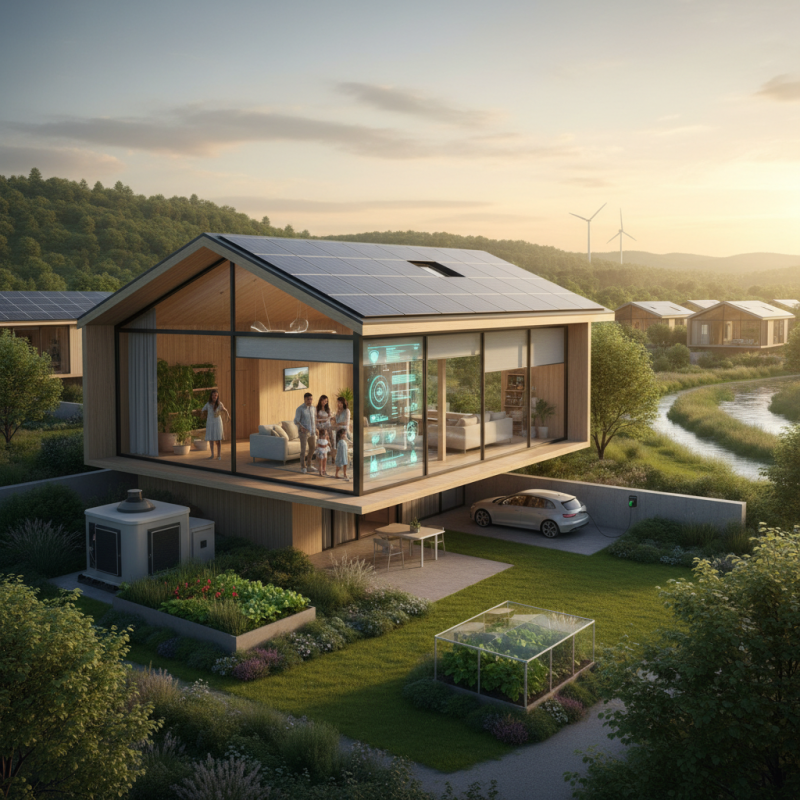
Understanding Energy Efficiency Systems and Their Importance
Energy efficiency systems play a crucial role in sustainable living by minimizing energy consumption while maximizing productivity. These systems utilize advanced technologies and practices that reduce wasted energy, leading to lower carbon emissions and diminished environmental impact. By implementing energy-efficient solutions, households and businesses can significantly decrease their reliance on fossil fuels, promoting a more sustainable and responsible approach to energy use. Understanding the components of energy efficiency systems, such as smart meters, efficient heating and cooling systems, and renewable energy sources, is essential for creating a greener future.
Incorporating energy efficiency systems not only benefits the environment but also provides economic advantages. Reduced energy consumption leads to lower utility bills, allowing individuals and businesses to allocate resources to other essential areas. Moreover, energy-efficient buildings and appliances often enhance overall comfort and productivity, creating healthier living and working conditions. Educating communities about the importance of these systems is vital to fostering a culture of sustainability, which ultimately contributes to combating climate change and preserving natural resources for future generations.
As we move towards 2025, prioritizing energy efficiency will be key to achieving long-term sustainability goals and ensuring a balanced relationship with our planet.
Key Components of Energy Efficiency Systems for Homes
Implementing energy efficiency systems in homes is essential for promoting sustainable living by reducing energy consumption and minimizing environmental impact. One of the key components is advanced insulation, which serves to maintain indoor temperatures while minimizing heating and cooling needs. By insulating walls, roofs, and floors effectively, homeowners can reduce their reliance on HVAC systems, leading to significant energy savings.
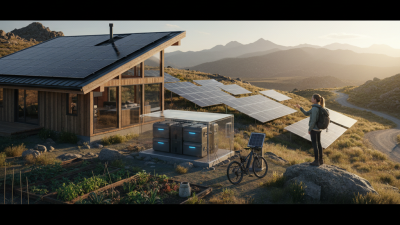
Another crucial element is the use of smart home technology. Smart thermostats and lighting systems can automatically adjust usage patterns based on occupancy and preferences, ensuring that energy is used only when necessary. Additionally, integrating renewable energy sources, such as solar panels, allows homes to generate their own electricity, thereby decreasing dependency on fossil fuels. These technologies not only help in managing energy consumption efficiently but also contribute to a substantial reduction in overall utility costs over time.
Assessment of Energy Consumption and Identifying Improvements
Assessing energy consumption is the first critical step in implementing energy efficiency systems for sustainable living. By conducting thorough evaluations of current energy usage patterns in homes and businesses, we can identify key areas where improvements can lead to significant reductions in energy waste. This involves utilizing advanced monitoring tools and techniques to collect data on energy consumption, including peak usage times and inefficient appliances. Understanding these patterns enables individuals and organizations to set realistic energy efficiency goals and prioritize upgrades where the highest returns on investment can be realized.
Once the assessment is complete, the next phase involves identifying improvements that can be made to enhance overall energy efficiency. Solutions may range from simple behavioral changes, such as adjusting thermostat settings and turning off unused devices, to more substantial investments in energy-efficient technologies. Transitioning to renewable energy sources, enhancing insulation, and upgrading lighting systems to LED are all effective strategies.
Furthermore, integrating smart home technologies can optimize energy use in real-time, adapting to the occupants' habits and preferences. Together, these improvements not only contribute to reducing carbon footprints but also result in long-term cost savings, promoting a sustainable lifestyle for the future.
Implementing Renewable Energy Sources for Sustainable Living
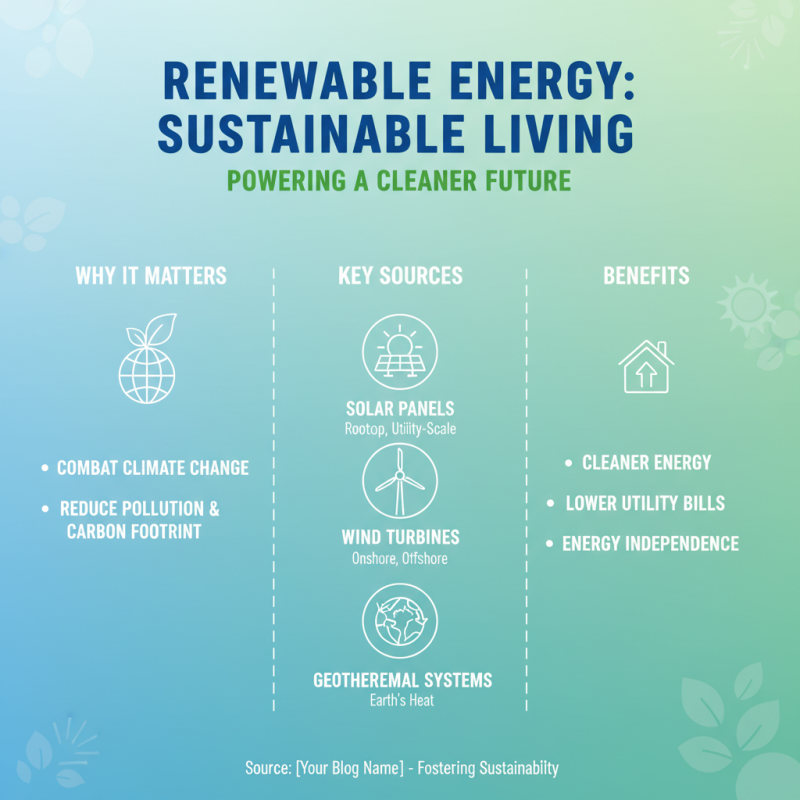
Renewable energy sources are crucial for fostering sustainable living in the modern world. With the growing awareness of climate change and environmental degradation, more individuals and communities are seeking ways to incorporate renewable energy into their daily lives. Solar panels, wind turbines, and geothermal systems are gaining popularity as they provide cleaner alternatives to fossil fuels while reducing carbon footprints significantly.
Tips for integrating renewable energy into your home include conducting an energy audit to identify areas where energy efficiency can be improved. Before investing in solar panels or wind turbines, check local regulations and incentives that may assist in financing these systems. Additionally, consider hybrid systems that incorporate multiple energy sources to ensure reliability and efficiency, particularly in areas where sunlight or wind may not always be consistent.
Emphasizing community initiatives can also amplify the movement toward renewable energy. Collaborating with neighbors to invest in larger renewable energy projects, such as community solar farms, can enhance accessibility and reduce costs. Educating others about the benefits of renewable energy can foster a culture of sustainability and encourage more widespread adoption. By taking these steps, individuals can make meaningful contributions to a sustainable future powered by clean energy.
Smart Technologies for Monitoring and Managing Energy Usage
In 2025, the focus on energy efficiency systems will increasingly rely on smart technologies that can monitor and manage energy usage in real-time. According to the International Energy Agency (IEA), implementing such technologies can lead to energy savings of up to 30% in residential buildings alone. Smart meters, connected devices, and energy management systems are crucial in providing consumers with actionable insights into their energy consumption patterns, enabling them to make informed decisions and reduce waste.
The integration of the Internet of Things (IoT) in energy systems fosters a more responsive approach to energy management. Homes equipped with smart thermostats and advanced appliances can adjust their operation based on occupancy and energy prices, effectively minimizing energy consumption. The U.S. Department of Energy estimates that the widespread use of smart technologies could result in savings of over $100 billion annually across the household sector by 2030. As we move toward a more sustainable future, leveraging these innovations will be essential for both economic and environmental benefits, paving the way for a more energy-efficient lifestyle.
Government Policies and Incentives for Energy Efficiency Adoption
Government policies play a crucial role in promoting
energy efficiency adoption for sustainable living practices. By implementing stringent regulations and setting
clear energy performance standards, governments can push businesses and homeowners to upgrade their energy systems.
For instance, policies that mandate energy audits for existing buildings can identify areas for improvement and encourage
investments in energy-saving technologies. Such regulations not only enhance the overall efficiency of buildings
but also help in achieving national energy reduction targets.
In addition to regulatory frameworks, financial incentives serve as a significant
motivator for individuals and organizations to adopt energy-efficient systems. Governments can offer tax breaks, subsidies,
or grants that lower the upfront costs of energy-efficient appliances and retrofits, making them more accessible
to a broader audience.
Additionally, financing programs, such as low-interest loans, can ease the transition by spreading the costs
over time. By creating an environment where energy efficiency is economically feasible, these initiatives not
only reduce energy consumption but also stimulate green job creation and innovation within the sector,
driving the entire economy towards a more sustainable future.
Future Trends in Energy Efficiency Systems by 2025
As we look towards 2025, the landscape of energy efficiency systems is set to transform dramatically, driven by advancements in technology and a growing emphasis on sustainability. According to the International Energy Agency (IEA), energy efficiency improvements could facilitate a reduction of global energy demand by up to 40% by 2040 if current trends continue. This shift is propelled largely by the integration of smart technologies and automation in residential and commercial sectors, enhancing energy management systems significantly. Furthermore, the adoption of artificial intelligence in energy systems is expected to optimize energy consumption patterns, facilitating real-time analysis and decision-making for users.
In parallel, renewable energy sources are becoming increasingly accessible, enhancing the overall efficiency of energy systems. A report by the International Renewable Energy Agency (IRENA) notes that renewables could account for over 80% of electricity generation by 2050 under ambitious policy scenarios. This transition not only bolsters energy independence but also opens doors for innovations such as energy storage solutions, which are critical for managing supply and demand fluctuations. By 2025, it is anticipated that storage technologies will become more cost-effective, enabling households and businesses to shift to an on-demand energy consumption model that minimizes waste and maximizes efficiency. As these trends converge, the potential for a more sustainable living environment in 2025 looks promising, with energy efficiency at the forefront of this evolution.
Harnessing the Power of Hexa Battery Energy Storage Systems for Diverse Energy Solutions
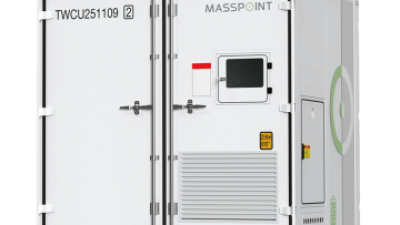
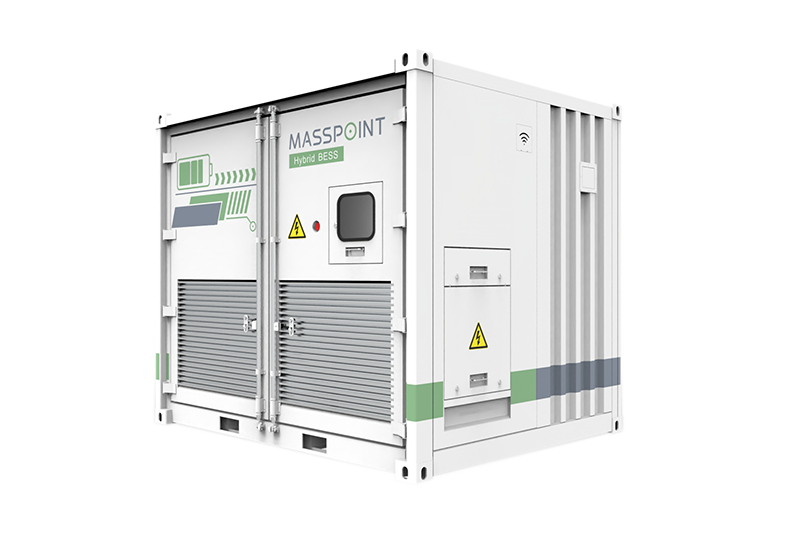
The increasing demand for sustainable and adaptable energy solutions is driving innovations in energy storage technologies. Among these, the Hexa Battery Energy Storage Systems (BESS) stand out by delivering robust power solutions designed for a variety of challenging environments, including demanding construction sites, heavy-duty industrial operations, and off-grid locations. These systems have been engineered to thrive in harsh conditions while significantly reducing reliance on diesel generators, thereby leading to decreased fuel consumption and carbon emissions.
According to industry reports, the global energy storage market is expected to expand significantly, driven by the need for cleaner energy and efficient power management. Hexa BESS systems are uniquely positioned to address these needs through their modular architecture, allowing for quick deployment and scalability in energy management. This adaptability is essential in an era where operational noise and environmental impact are under scrutiny. The intelligent remote control capabilities of Hexa systems provide both flexibility and enhanced efficiency, ensuring that energy supply remains uninterrupted for large machinery while supporting essential services.
Incorporating leading-edge technology, Hexa BESS not only meets the demands of industrial-level energy requirements but also aligns with the broader goals of transitioning to smarter, quieter, and more sustainable power solutions. As markets continue to evolve, systems like Hexa BESS will play a crucial role in facilitating a cleaner and more resilient energy landscape, highlighting the importance of innovation in energy storage systems.
FAQS
: Implementing energy efficiency systems in homes is essential for promoting sustainable living by reducing energy consumption and minimizing environmental impact.
Advanced insulation helps maintain indoor temperatures while minimizing heating and cooling needs, leading to reduced reliance on HVAC systems and significant energy savings.
Smart home technology, such as smart thermostats and lighting systems, automatically adjusts usage patterns based on occupancy and preferences, ensuring energy is used only when necessary.
Integrating renewable energy sources, like solar panels, allows homes to generate their own electricity, decreasing dependency on fossil fuels and contributing to energy savings.
Government policies can promote energy efficiency adoption by implementing regulations that set energy performance standards and encourage businesses and homeowners to upgrade their energy systems.
Financial incentives, such as tax breaks, subsidies, or grants, lower the upfront costs of energy-efficient appliances and retrofits, making them more accessible and encouraging their adoption.
Energy audits identify areas for improvement in existing buildings, promoting investments in energy-saving technologies and enhancing overall efficiency.
Financing programs, like low-interest loans, help spread the costs of energy-efficient systems over time, making the transition easier for individuals and organizations.
Initiatives that promote energy efficiency not only reduce energy consumption but also stimulate green job creation and innovation, contributing to a more sustainable economy.
Conclusion
The article "How to Implement Energy Efficiency Systems for Sustainable Living in 2025" explores the critical role of Energy Efficiency Systems in promoting sustainable living. It begins by highlighting the importance of these systems and their key components that can enhance energy performance in homes. An assessment of current energy consumption practices is essential for identifying potential improvements. Furthermore, the article discusses the integration of renewable energy sources, which, alongside smart technologies for monitoring energy usage, can significantly reduce overall consumption.
Additionally, government policies and incentives play a crucial role in encouraging the adoption of Energy Efficiency Systems, making them more accessible for homeowners. The article also looks ahead to future trends by 2025, envisioning a landscape where energy efficiency is seamlessly incorporated into everyday living. By adopting these systems, individuals can contribute to a more sustainable future, ultimately reducing their environmental footprint while enjoying the benefits of lower energy costs.

 Products
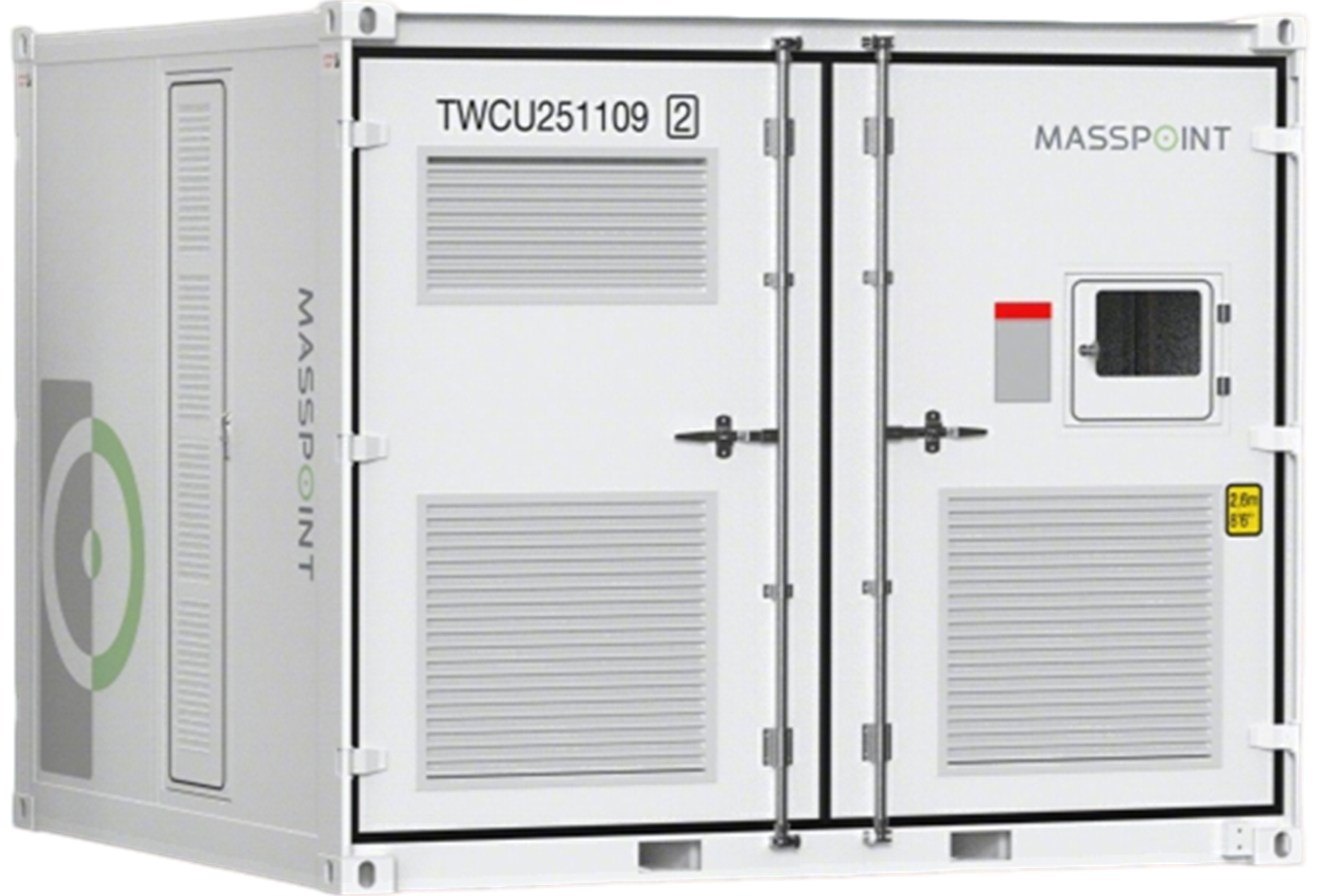 Industrial Hybrid BESS
 HEXA
HEXA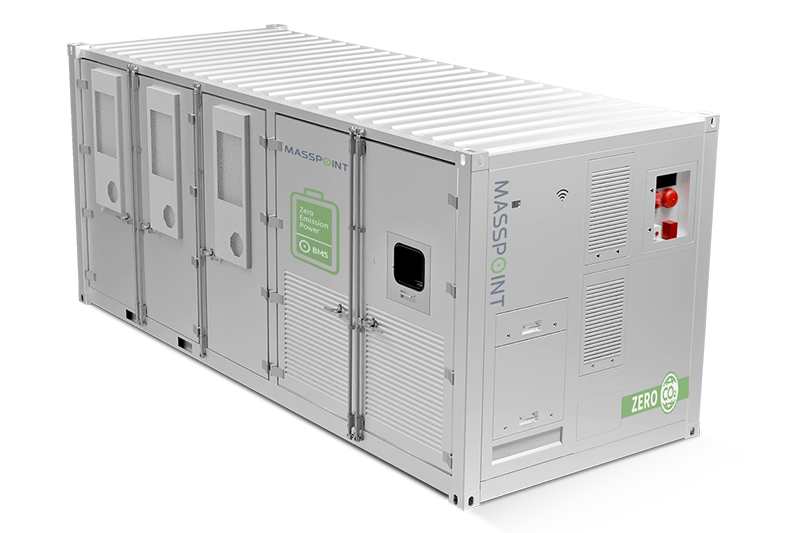 Micro-Grid BESS
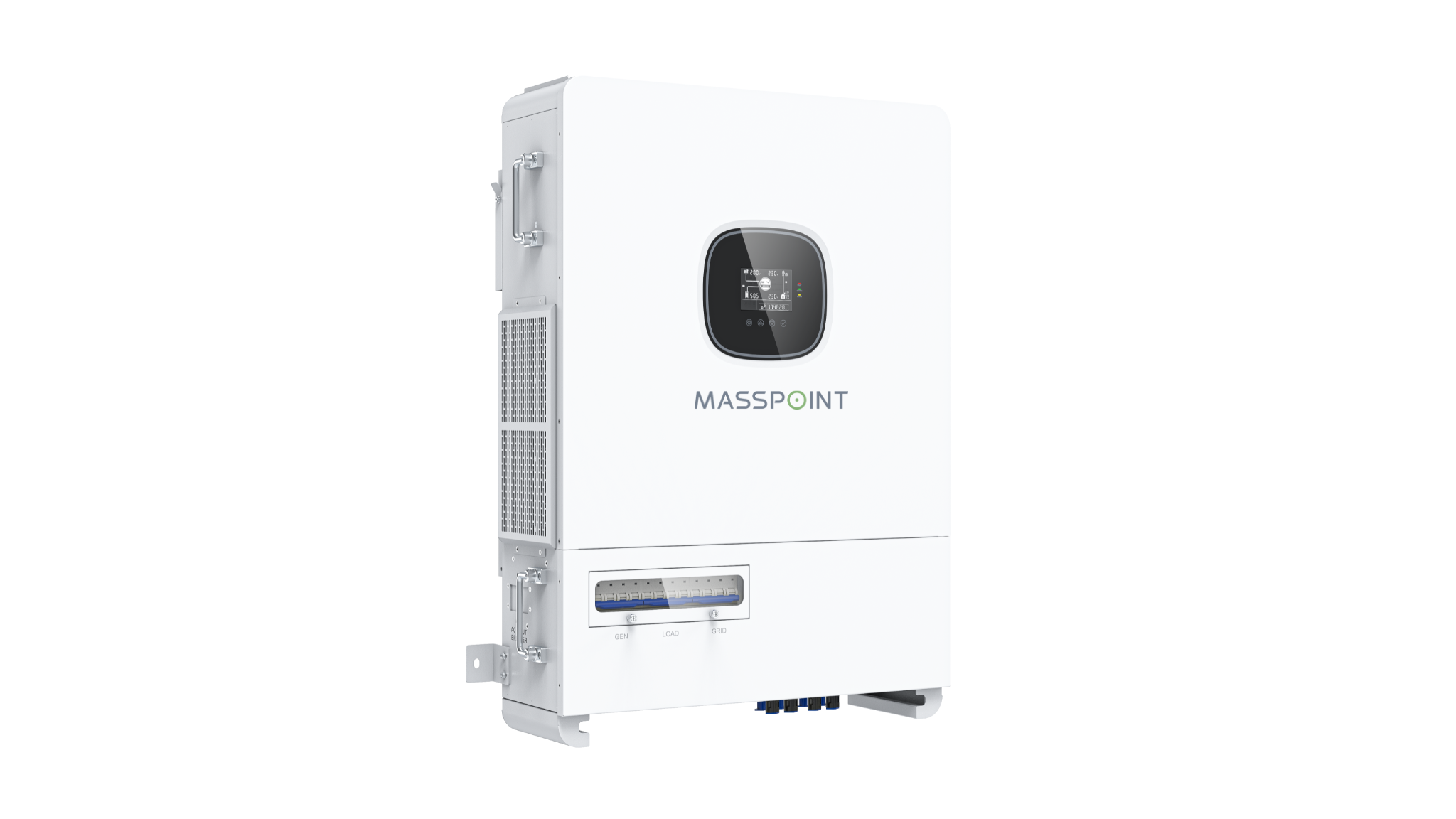 Solar Hybrid Inverter