Choosing the right off-grid power system is pretty important if you're serious about living sustainably and going independent. Everyone's energy needs are a bit different, so it's crucial to understand what works best for your lifestyle and preferences. As Dr. Emily Thompson from Green Energy Innovations points out, "Picking the right off-grid power isn't just about being efficient; it’s about making sure your energy setup fits who you are and what you value."
When you're diving into off-grid energy options, a few key things to keep in mind are how much power you really need, how efficient your solar panels are, and what kind of batteries you'll use to store that energy. Dr. Thompson also stresses the importance of really understanding your energy habits: "Getting a good grip on your power usage at different times of the day can help you pick the perfect off-grid system."
In the end, doing your homework and really understanding your energy needs can lead to a setup that’s not just effective, but also reliable and satisfying. With more folks looking to escape traditional power sources, making smart choices about your off-grid power setup is more important than ever — it’s all about building a more sustainable future, one step at a time.
Understanding Off Grid Power Supply Options
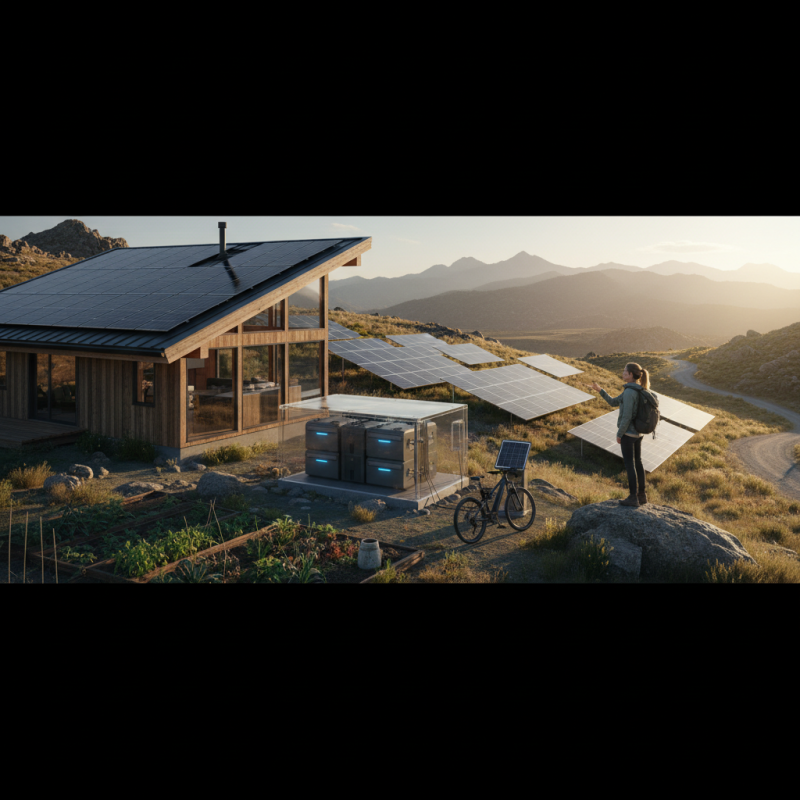
When considering off-grid power supply options, it's important to identify the specific energy needs of your lifestyle or project. There are several types of off-grid power sources, each with its advantages and limitations. Solar panels are among the most popular options, harnessing sunlight to generate electricity. They can be installed on rooftops or in designated solar farms, effectively providing power during daylight hours. Additionally, solar systems can be combined with battery storage to ensure access to energy during nighttime or cloudy days, enhancing reliability.
Wind turbines represent another viable off-grid solution, particularly in areas with consistent wind patterns. They convert kinetic energy from wind into electricity and can provide substantial power when conditions are favorable. Additionally, hydropower systems, when situated near flowing water sources, can generate energy through the movement of water. This option offers a continuous supply of power, although it may involve more complex installation and environmental considerations. By evaluating your location, energy needs, and resource availability, you can determine the best off-grid power supply option tailored to your requirements.
Assessing Your Energy Needs for Off Grid Living
When considering an off-grid power supply, the first step is to assess your energy needs accurately. Begin by evaluating all the appliances and devices you plan to use, from lighting and refrigeration to electronics and heating. Create a comprehensive list that includes the wattage and average daily usage time for each item. This will help you understand the total energy consumption you require and will guide you in selecting a power supply system that can adequately meet those needs.
Next, consider not only your current energy demands but also potential future needs. If you plan to expand your off-grid lifestyle with additional devices or equipment, factor these into your calculations. Additionally, think about seasonal variations in energy use; for instance, heating may require more energy in winter months. By establishing a clear picture of your energy requirements, you can make informed decisions about the type and size of the off-grid power supply system that will best serve you.
Evaluating Different Types of Off Grid Power Systems
When evaluating different types of off-grid power systems, it's essential to understand the various technologies available and how they align with specific energy needs. Solar power systems remain the most popular choice for off-grid applications, accounting for over 50% of the market share according to recent industry reports. These systems harness sunlight to generate electricity, which can be stored in batteries for use during non-sunny periods. The versatility of solar systems allows users to scale their installations based on energy consumption, ensuring efficiency while keeping costs manageable.
In addition to solar, wind turbines are increasingly being integrated into off-grid setups, especially in areas with consistent wind patterns. Industry studies indicate that combining solar and wind energy can enhance reliability, as each source compensates for the other during varying weather conditions. For instance, wind energy can sometimes be produced during cloudy or rainy periods when solar output is low. Furthermore, hybrid systems that incorporate both wind and solar power tend to optimize energy generation, leading to better overall performance and reduced dependency on any single energy source.
Battery storage technology plays a crucial role in off-grid power systems, enabling energy to be saved and used when production is low. The global battery storage market is projected to grow significantly, with lithium-ion batteries dominating new installations due to their high energy density and decreasing costs. According to recent forecasts, the adoption of battery storage solutions is expected to increase by 30% annually, reflecting the growing demand for sustained, reliable power independent of the grid. Selecting the right combination of renewable energy technologies and battery systems will ultimately depend on individual requirements, local resources, and budget considerations.
How to Choose the Best Off Grid Power Supply for Your Needs - Evaluating Different Types of Off Grid Power Systems
| Power System Type |
Energy Source |
System Size (kW) |
Typical Applications |
Installation Complexity |
| Solar Power System |
Solar Energy |
1-10 |
Homes, RVs, Cabins |
Moderate |
| Wind Power System |
Wind Energy |
2-5 |
Farmsteads, Remote Locations |
High |
| Hydro Power System |
Water Flow |
2-100 |
Rural Areas, Small Communities |
Very High |
| Generator System |
Fossil Fuels |
1-20 |
Backup Power, Construction Sites |
Low |
| Biomass System |
Organic Material |
5-50 |
Farms, Waste Management |
Moderate |
Key Features to Look for in an Off Grid Power Supply
When selecting the best off-grid power supply for your needs, several key features should be carefully considered. One of the most critical aspects is the system's capacity, which is usually measured in watt-hours (Wh). According to the National Renewable Energy Laboratory, a typical household consumes about 900 kWh per month, translating to an average daily usage of 30 kWh. Therefore, you should estimate your energy needs based on appliances and usage patterns to determine the necessary capacity of your power supply.
Another important feature to look for is the efficiency of the power supply system. High-efficiency batteries and inverters reduce energy loss during conversion and storage. A recent report from the International Renewable Energy Agency highlights that efficient systems can achieve up to 90% or higher efficiency ratings, which can result in significant long-term savings, both economically and environmentally. Besides efficiency, consider the type of renewable energy sources available—whether solar, wind, or hydro—since they can greatly influence the overall performance and reliability of your off-grid power supply.
Tips: Always check for compatibility with your existing systems and the ease of installation. An intuitive interface can significantly simplify the operation and monitoring of energy consumption. Additionally, research products that come with warranty options, as these can provide peace of mind and long-term security for your investment.
Cost Considerations When Choosing Off Grid Power
When considering an off-grid power supply, cost is a significant factor that can influence your choice. According to a report from the U.S. Department of Energy, the average initial investment for a solar power system can range from $15,000 to $30,000, depending on the size and capacity needed for your power requirements. This investment can seem daunting, but it's essential to view it as a long-term solution, as off-grid systems often lead to savings on utility bills over time. In addition, the cost of batteries, which usually makes up a substantial portion of the total expenditure, can vary widely, with high-quality options costing between $5,000 and $10,000 for sufficient capacity to provide power for several days.
Building an off-grid power system also demands a careful evaluation of ongoing maintenance costs and potential repairs. According to the National Renewable Energy Laboratory, regular maintenance for off-grid systems can save consumers up to 30% on replacement costs over time. It's wise to budget for these ongoing expenses as well as unexpected repairs, which can be a financial burden if not accounted for properly.
**Tips:** Start by conducting a comprehensive energy audit to understand your power needs better. This step will ensure that you invest in a system that fits your actual consumption, avoiding overspending on unnecessary capacity. Additionally, exploring government incentives and rebates can significantly reduce your upfront costs, making the transition to off-grid power more attainable.
Maintenance and Longevity of Off Grid Power Solutions
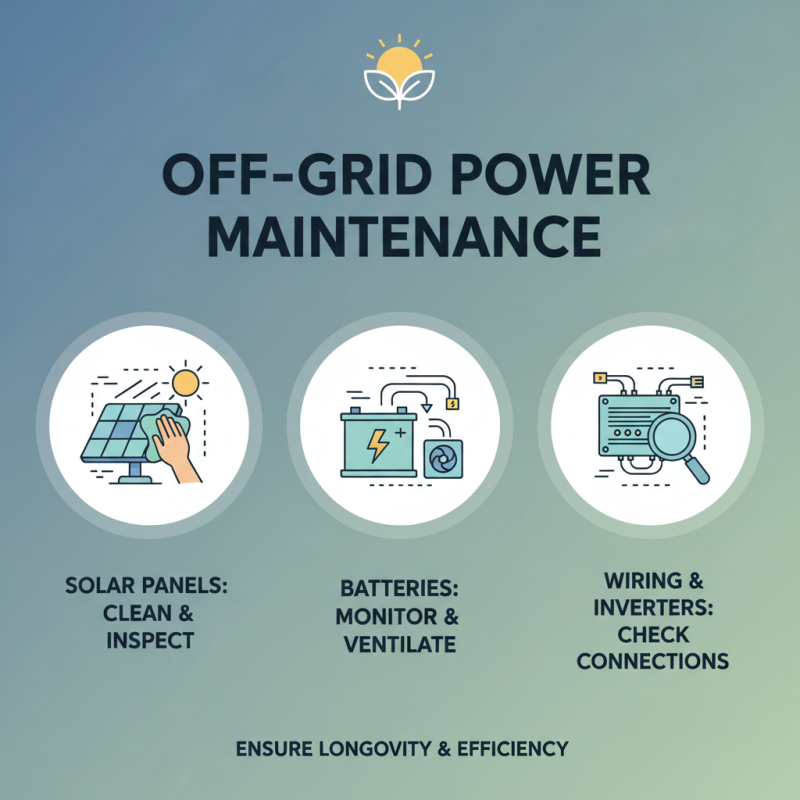
Maintenance is crucial for the longevity of off-grid power solutions. Regular inspections of your components—such as solar panels, batteries, and inverters—are essential to ensure they are functioning optimally. Keeping solar panels clean and free from debris can significantly enhance their efficiency, while checking wiring and connections helps prevent potential issues like short circuits or energy loss. Battery maintenance, which includes monitoring charge levels and ensuring proper ventilation, is vital for extending the lifespan of your power storage systems.
In addition to routine checks, implementing a maintenance schedule can help you address any wear and tear before it leads to significant failures. This should include systematic testing of system components, updating software for smart systems, and replacing parts as recommended by manufacturers. Educating yourself on the specific requirements of your off-grid setup will empower you to make informed decisions about maintenance and repairs. By prioritizing these practices, you can maximize the reliability and efficiency of your off-grid power supply, ensuring it meets your energy needs for years to come.
Integrating Renewable Energy Sources into Off Grid Systems
Integrating renewable energy sources into off-grid power systems is becoming increasingly essential for sustainable living. According to a report by the International Renewable Energy Agency (IRENA), the global off-grid renewable energy market has seen a surge, with a compound annual growth rate (CAGR) of 8.6% from 2020 to 2025. This growth is driven by the need for reliable, affordable, and environmentally-friendly energy solutions, especially in remote areas where traditional power infrastructure is lacking.
Solar, wind, and hydro energy are some of the most commonly utilized renewable resources in off-grid systems. A study by the U.S. National Renewable Energy Laboratory (NREL) highlights that a hybrid system leveraging both solar and wind can result in an energy production increase of up to 25% compared to using a single source. Additionally, incorporating energy storage solutions, such as batteries, is crucial for managing supply and demand, ensuring that power is consistently available regardless of weather conditions or time of day. This integration not only enhances energy accessibility but also promotes energy independence, reducing reliance on fossil fuels and contributing to global carbon reduction goals.
FAQS
: The average initial investment for a solar power system can range from $15,000 to $30,000, depending on the size and capacity needed for your power requirements.
The overall cost includes the initial investment for the solar power system, the cost of batteries (which can range from $5,000 to $10,000), and ongoing maintenance and repair expenses.
Regular maintenance can save consumers up to 30% on replacement costs over time, making it beneficial to budget for these ongoing expenses to reduce potential financial burdens.
Conducting a comprehensive energy audit to understand your power needs is essential. This will help you avoid overspending on unnecessary capacity and make informed investment decisions.
Yes, exploring government incentives and rebates can significantly reduce your upfront costs, making the transition to off-grid power more attainable.
Solar, wind, and hydro energy are among the most commonly utilized renewable resources in off-grid systems.
A hybrid system that combines both solar and wind energy can increase energy production by up to 25% compared to using a single source.
Energy storage solutions, such as batteries, are crucial for managing supply and demand, ensuring consistent power availability regardless of weather conditions or time of day.
Integrating renewable energy into off-grid systems promotes energy independence, reduces reliance on fossil fuels, and contributes to global carbon reduction goals.
The global off-grid renewable energy market has seen a compound annual growth rate (CAGR) of 8.6% from 2020 to 2025, driven by the need for reliable, affordable, and environmentally-friendly energy solutions.
Conclusion
Choosing the best Off Grid Power Supply involves understanding various options available, assessing your specific energy needs, and evaluating different power systems suitable for off grid living. Essential features such as capacity, efficiency, and the ability to integrate renewable energy sources play a crucial role in the decision-making process. Additionally, cost considerations and the anticipated maintenance requirements are vital to ensure long-term sustainability and efficiency.
In summary, a well-researched approach to selecting an Off Grid Power Supply not only aids in meeting energy demands but also ensures a seamless transition to a self-sufficient lifestyle. By focusing on the right features and understanding the benefits of renewable energy integration, you can optimize your off grid experience while keeping costs manageable.

 Products
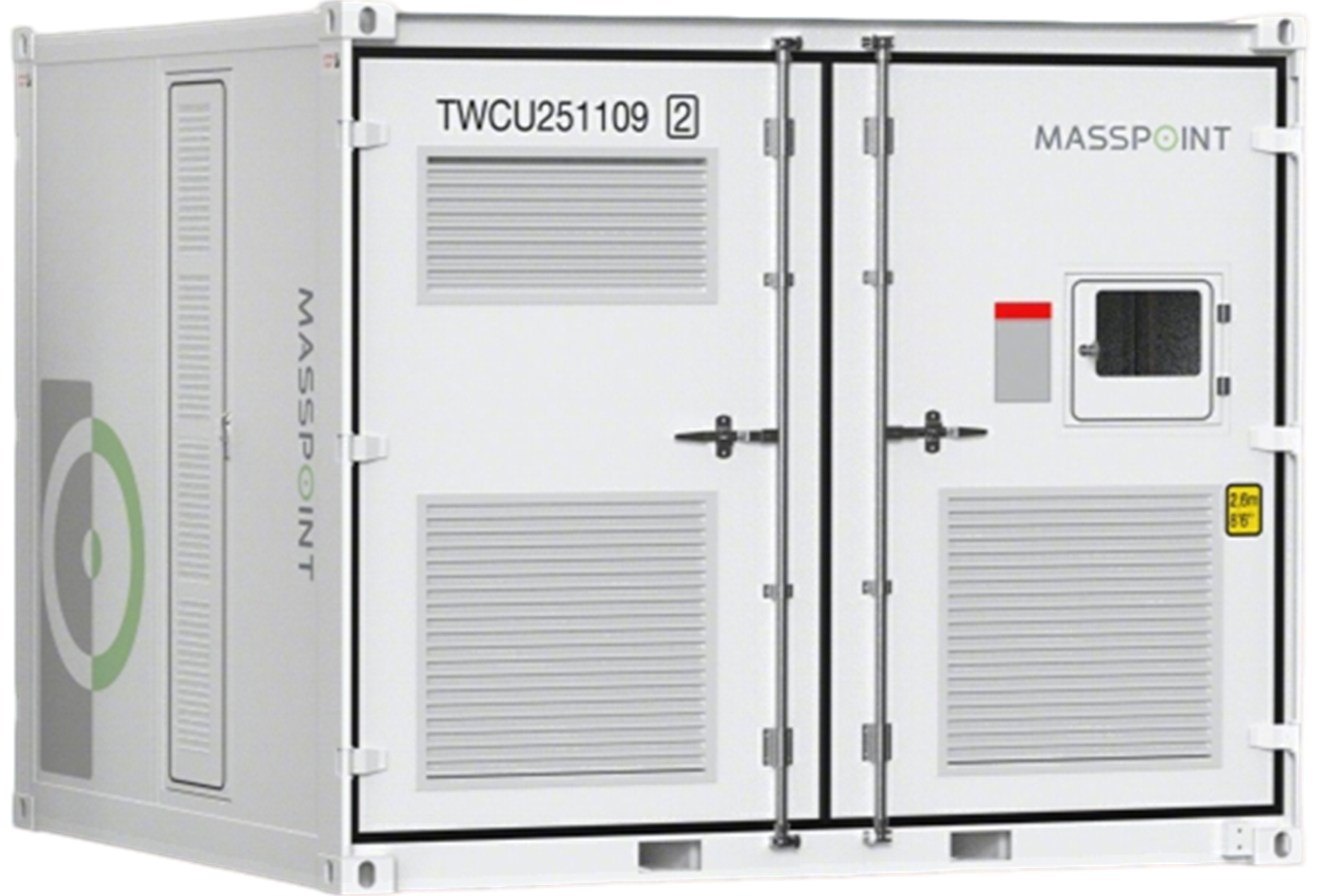 Industrial Hybrid BESS
 HEXA
HEXA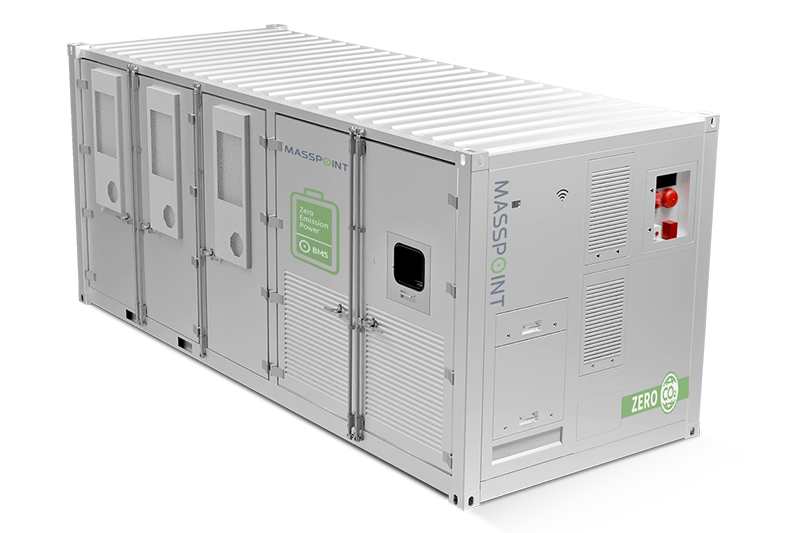 Micro-Grid BESS
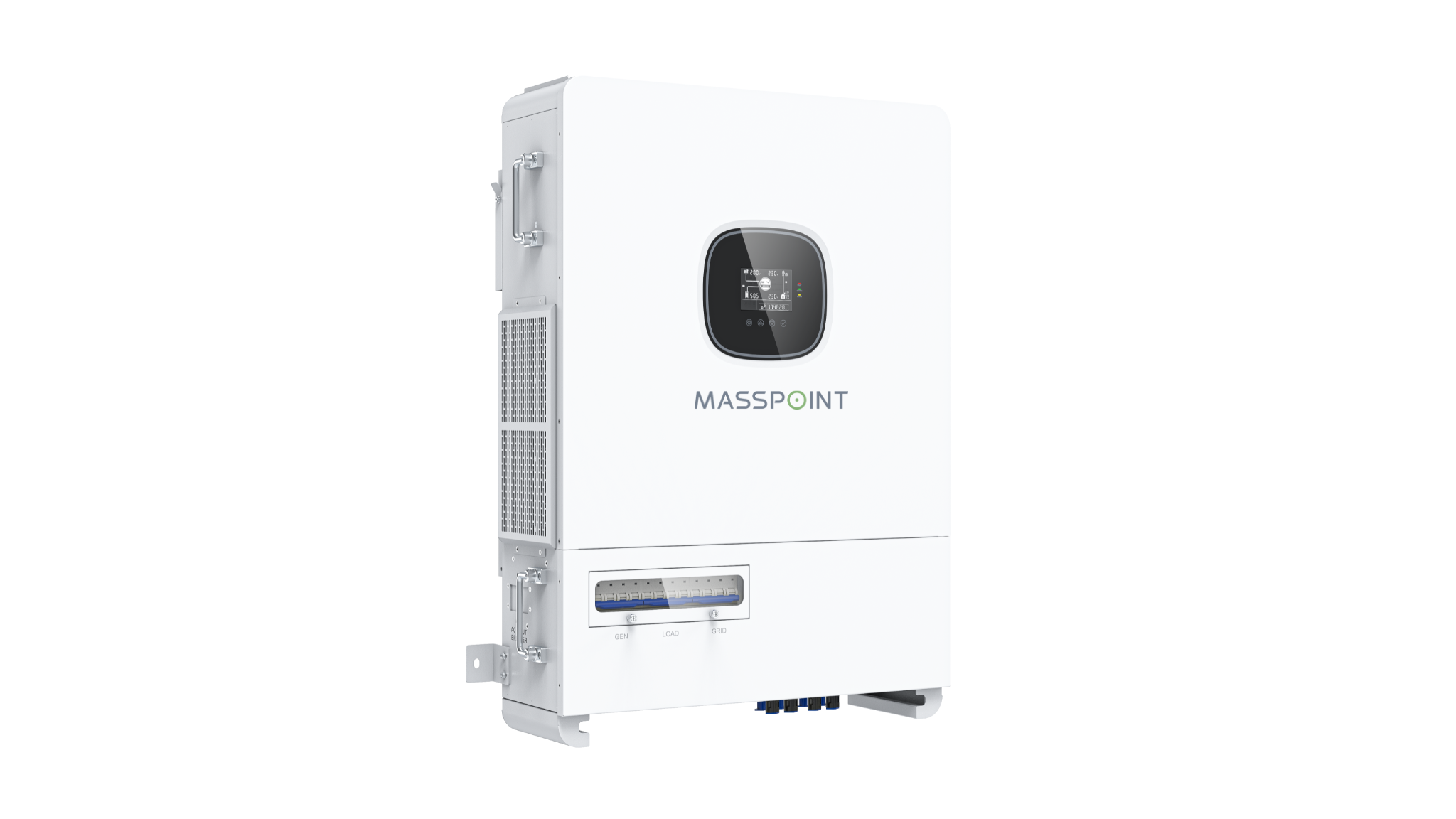 Solar Hybrid Inverter