When the power goes out, a lot of homeowners are on the lookout for solutions they can really rely on. One option that’s been catching on lately is battery power generators. I recently read that John Taylor from PowerTech Solutions mentioned, ‘Battery power generators really give you peace of mind when those unexpected blackouts hit.’ It’s honestly a game-changer in how we think about backup power nowadays.
These generators are pretty impressive—they’re clean, efficient, and better for the environment since they cut down on fossil fuel use. Plus, they’re a lot quieter than those traditional gas-powered ones, which is a big plus if you live in a neighborhood where noise can be an issue. That said, the upfront cost might make some folks hesitant—no surprise there. A lot of people wonder if it’s worth it in the long run.
Picking out the right battery power generator isn’t necessarily a walk in the park, either. They tend to require less maintenance, but understanding what they can actually do is key. Not all generators are alike, and some might not tick all the boxes for your needs. Doing a bit of homework here could lead to a more sustainable, hassle-free way to power your home. At the end of the day, it’s all about weighing the advantages against the downsides before making a decision.
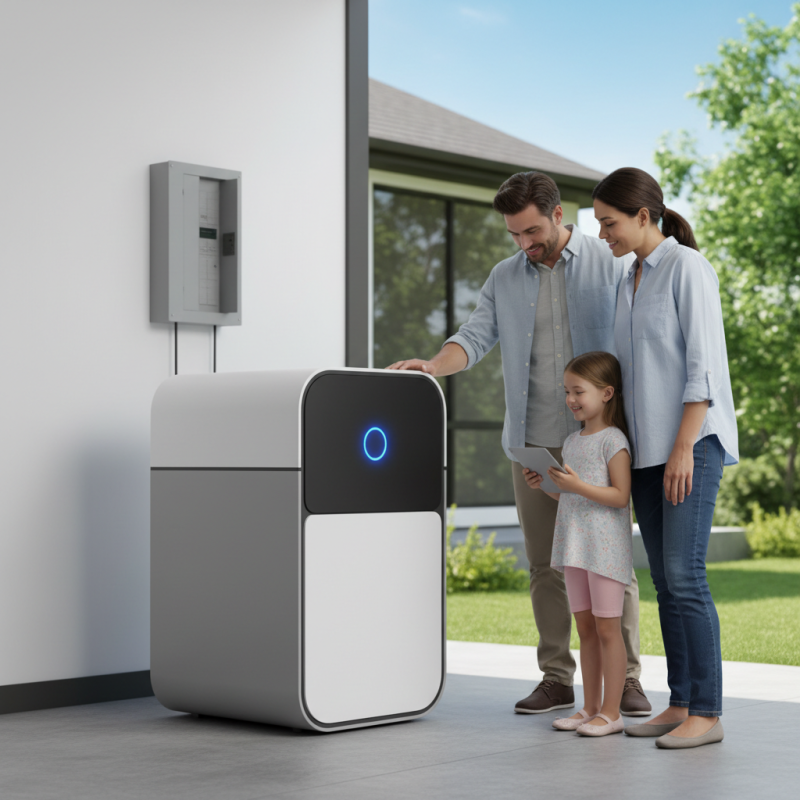
Benefits of Battery Power Generators for Home Backup Power
Battery power generators are becoming a popular choice for home backup power. One major benefit is their environmental impact. According to a report from the International Energy Agency, around 40% of the world's energy-related carbon dioxide emissions come from electricity generation. Battery generators produce minimal emissions, making them an eco-friendly option. They help reduce reliance on fossil fuels.
Another significant advantage is the reliability of battery systems. Power outages can happen due to storms or grid failure. A survey by the American Public Power Association found that the average U.S. household experiences about 2.5 outages per year. Battery generators can provide consistent power during these times. They are ready to go when you need them most, especially for essential appliances.
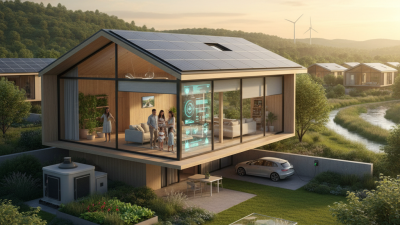
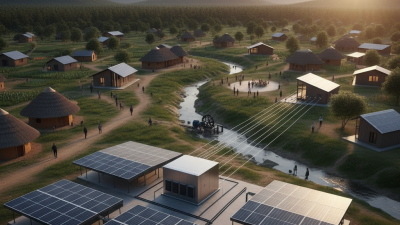
In addition, battery generators can be combined with solar panels for off-grid energy solutions. This integration can lead to significant savings in energy costs. However, not all battery systems are efficient. Users need to consider their energy consumption needs carefully. Oversizing can lead to wasted investment, while undersizing can result in insufficient power. Battery power generators are promising, but proper planning and consideration are crucial for maximizing benefits.
Understanding How Battery Power Generators Work
Battery power generators have become a popular choice for home backup power. These devices are powered by rechargeable batteries, making them easy to use and efficient. They store energy and release it when needed. This process ensures a clean and quiet power source during outages.
Understanding how these generators work is essential. When connected to a power source, they charge up. Once fully charged, they can provide electricity for hours. The duration depends on the generator's capacity and the power required. For instance, running lights and small appliances demands less power than cooling or heating systems. Users must evaluate their energy needs carefully.
One struggle users may face is estimating the right battery size. Choosing too small a generator may leave you in the dark. On the other hand, an oversized unit may lead to higher costs without benefits. It's a balancing act. Careful planning can lead to a reliable solution, but it requires effort and research to get it right.
Comparative Analysis: Battery vs. Traditional Generators
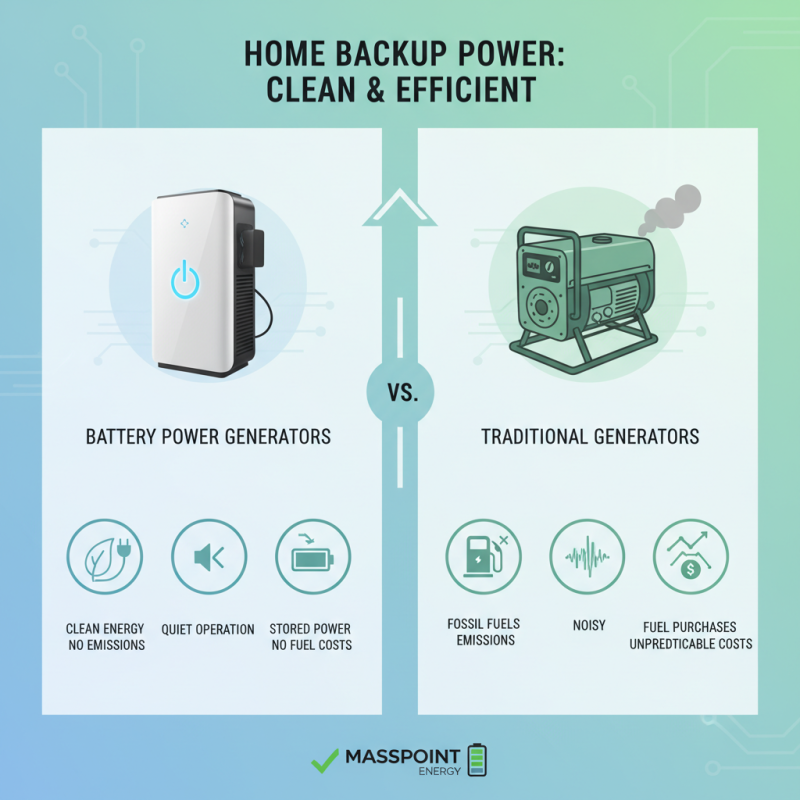
When considering home backup power, the choice between battery power generators and traditional options can be daunting. Battery power generators are increasingly favored for their cleanliness and efficiency. They operate quietly and produce no emissions. This is vital for health and environmental reasons. Unlike traditional generators, they don’t rely on fossil fuels. They convert electrical energy stored in a Power Storage Battery into usable power. This eliminates the need for fuel purchases, which can fluctuate unpredictably.
However, battery power generators come with their own challenges. They can have higher upfront costs compared to conventional generators. Their energy capacity might also limit longer outages, especially for larger homes. Power storage technology is evolving, but it may not yet meet every homeowner's needs. Traditional generators often provide immediate output and can run for many hours. Nevertheless, the noise and emissions associated with them are significant downsides.
Every homeowner must weigh these factors carefully. Battery power offers convenience and sustainability, but may fall short during prolonged outages. Traditional generators excel in power delivery but impact the environment negatively. Exploring these nuances ensures you make an informed choice for your home backup power needs.
Key Factors to Consider When Choosing a Battery Generator
When selecting a battery power generator for home backup, understanding the key factors is crucial. One of the most important considerations is capacity. Look for generators that can support your household appliances during an outage. According to industry reports, a typical home needs around 5kW to power essential devices. This means a generator should ideally have a similar capacity or higher for effectiveness.
Another factor is recharge time. A high-quality battery generator should recharge quickly, allowing for minimal downtime. Some models may take 3-8 hours to fully charge, while others can recharge within 1-2 hours. Additionally, consider the lifespan of the battery. Recent studies indicate that lithium-ion batteries can last up to 10 years, making them a worthwhile investment.
Portability is also something to think about. Some Battery Power Storage Systems are designed for easy transportation, which is helpful if you plan to use the generator in different locations. Also, weight can be an issue; some battery generators weigh over 100 pounds. This could limit mobility. Awareness of these factors can help ensure you choose the right battery power generator for your home.
Maintenance and Lifespan of Battery Power Generators
Battery power generators are an excellent choice for home backup. They require relatively low maintenance compared to traditional fuel generators. Regular checks on connections and battery health can significantly extend their lifespan. The use of sealed lead-acid or lithium-ion batteries allows for greater reliability and efficiency.
However, users must be aware that battery systems do degrade over time. Heat, frequent cycling, and improper charging can lead to diminished performance. Monitoring the state of charge is crucial. Keeping batteries in optimal conditions can prevent costly replacements. Solar Power And Battery Storage systems can enhance longevity. They harness renewable energy, reducing reliance on the grid.
It’s easy to overlook the resting time batteries need. Continued use without breaks can shorten their life. Users should also reflect on their power needs. Overloading a generator may lead to failure. Finding a balance between power consumption and available battery capacity is essential for optimal performance.
Battery Power Generators for Home Backup Power: Maintenance and Lifespan
Cost-Effectiveness of Battery Generators for Home Use
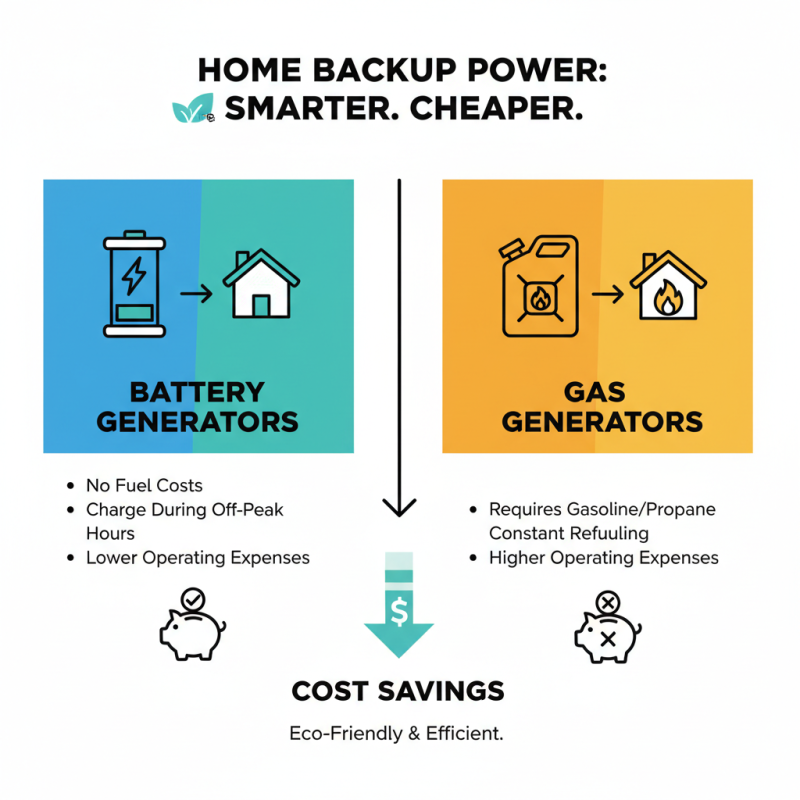
Battery power generators offer a cost-effective solution for home backup power. They often come with lower operating costs compared to traditional gas generators. This is because battery generators use electricity stored in their batteries, eliminating the need for fuel. Additionally, they can be charged during off-peak hours, saving money on electricity bills.
Tips: Consider installing solar panels. They can recharge your battery generator for free. This will further reduce costs in the long run.
Battery generators require less maintenance, which also contributes to their cost-effectiveness. Homeowners spend less time and money keeping these devices operational. However, the initial investment can be higher than gas models. It’s essential to weigh long-term savings against upfront costs.
Tips: Look for incentives or rebates for battery installations. Many local governments offer financial assistance for renewable energy solutions. This can make the purchase more affordable.
One downside is that battery generators may have limited power output. Depending on your needs, they might not support all appliances. Ensure you assess your power requirements carefully to avoid potential frustrations later.
Real-World Applications of Battery Power Generators in Homes
Battery power generators are increasingly favored for home backup applications. They offer reliable energy during outages. According to the Energy Storage Association, the market for residential battery storage grew 30% last year, highlighting their importance.
Imagine being stuck at home during a storm. The power goes out, but your battery generator kicks in. Devices are still operational. This scenario is becoming common. A report from Research and Markets suggests the battery generator market could reach $12 billion by 2025. This growth reflects increasing reliance on renewable energy sources and sustainability.
Battery-powered generators are versatile. They can power essential appliances like refrigerators, medical devices, and lights. One downside is that they may not run everything indefinitely. It’s crucial to calculate your energy needs. Professionals recommend knowing your wattage requirements beforehand. Some installations can be complex. Not everyone can set it up easily. This adds an element of challenge. Still, the peace of mind during emergencies often outweighs these concerns.
Empowering Possibilities: Unleashing the Convenience of Hexa Mini BESS Series for On-Demand Mobile Power Solutions
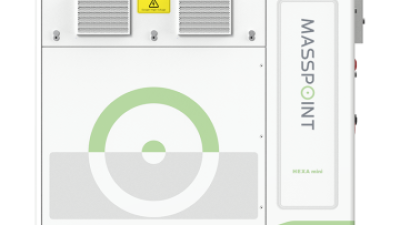
In today's fast-paced world, the demand for reliable and flexible energy solutions is more critical than ever. The Hexa Mini BESS Series stands out by offering compact, mobile power options tailored for small to medium-scale applications. This innovative solution is particularly beneficial for industries such as construction, outdoor events, and remote operations, where traditional energy sources may be impractical or unavailable.
By leveraging proven technology, the Hexa Mini's design prioritizes enhanced portability and space efficiency. Its lightweight and modular structure allow for quick setup, enabling seamless operation without the lag often associated with conventional diesel generators. Not only does it reduce reliance on fossil fuels, but it also minimizes emissions and noise pollution, creating a cleaner and quieter working environment. As a result, operations can harness continuous power through the Hexa Mini's ability to integrate effortlessly with existing generators or the electrical grid, thus ensuring a steady energy supply.
Empowering possibilities with the Hexa Mini BESS Series means embracing a solution that adapts to varying power needs while promoting sustainability. Intelligent remote management capabilities further enhance control, making it easier to oversee operations and energy consumption efficiently. Whether powering a small tool on a construction site or supporting an outdoor festival, the Hexa Mini delivers agile energy solutions that keep projects on track and operations running smoothly, no matter the location.
FAQS
: The article aims to inform readers about specific topics or issues. It provides details and insights.
The content is designed for individuals interested in the specific subject matter. It could be general readers or enthusiasts.
Readers can use the insights to enhance their understanding. It can assist in making informed decisions.
Yes, some information might be outdated or not comprehensive. Readers should verify facts independently.
The key takeaways are insights and perspectives on the topic. Reflection on these is encouraged for deeper understanding.
Regular review is beneficial. It helps to stay updated and informed, especially as new insights emerge.
Yes, without context, some details might be misinterpreted. Readers should engage critically with the material.
They are encouraged to seek additional resources or engage in discussions with others. This can clarify doubts.
Open dialogue is suggested. Sharing diverse opinions can deepen understanding and prompt reflection.
The article may present varied perspectives but could still have biases. Readers should consider multiple angles.
Conclusion
Battery Power Generators have become a popular choice for home backup power due to their numerous advantages. They offer a clean, quiet, and efficient alternative to traditional generators, making them ideal for residential use. These generators harness stored energy from rechargeable batteries, providing reliable power during outages. A comparative analysis of battery versus traditional generators highlights benefits such as lower emissions, ease of use, and minimal maintenance requirements.
When selecting a battery generator, several key factors come into play, including capacity, charging time, and intended applications. Assessing cost-effectiveness is crucial, as battery generators can save money in the long run through reduced fuel costs and maintenance. Furthermore, the longevity and maintenance needs of these systems contribute to their appeal for homeowners seeking sustainable energy solutions. As more households recognize the advantages, Battery Power Generators are likely to play a pivotal role in home energy resilience.

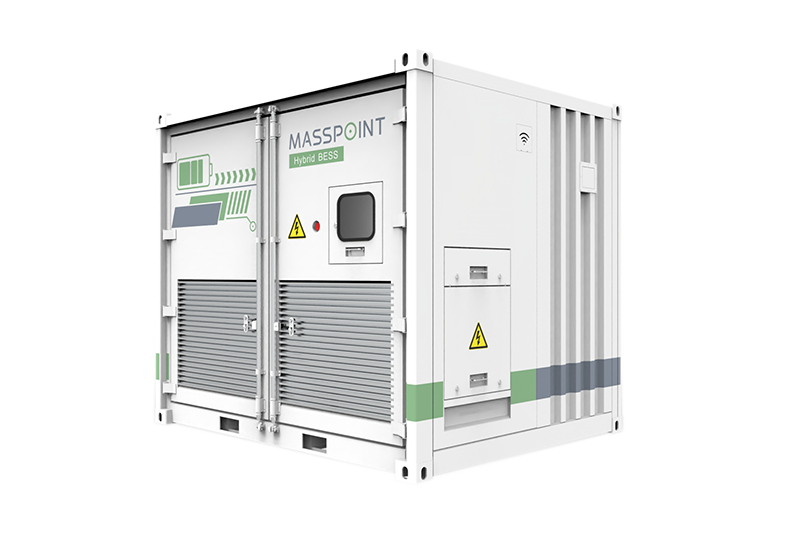 Products
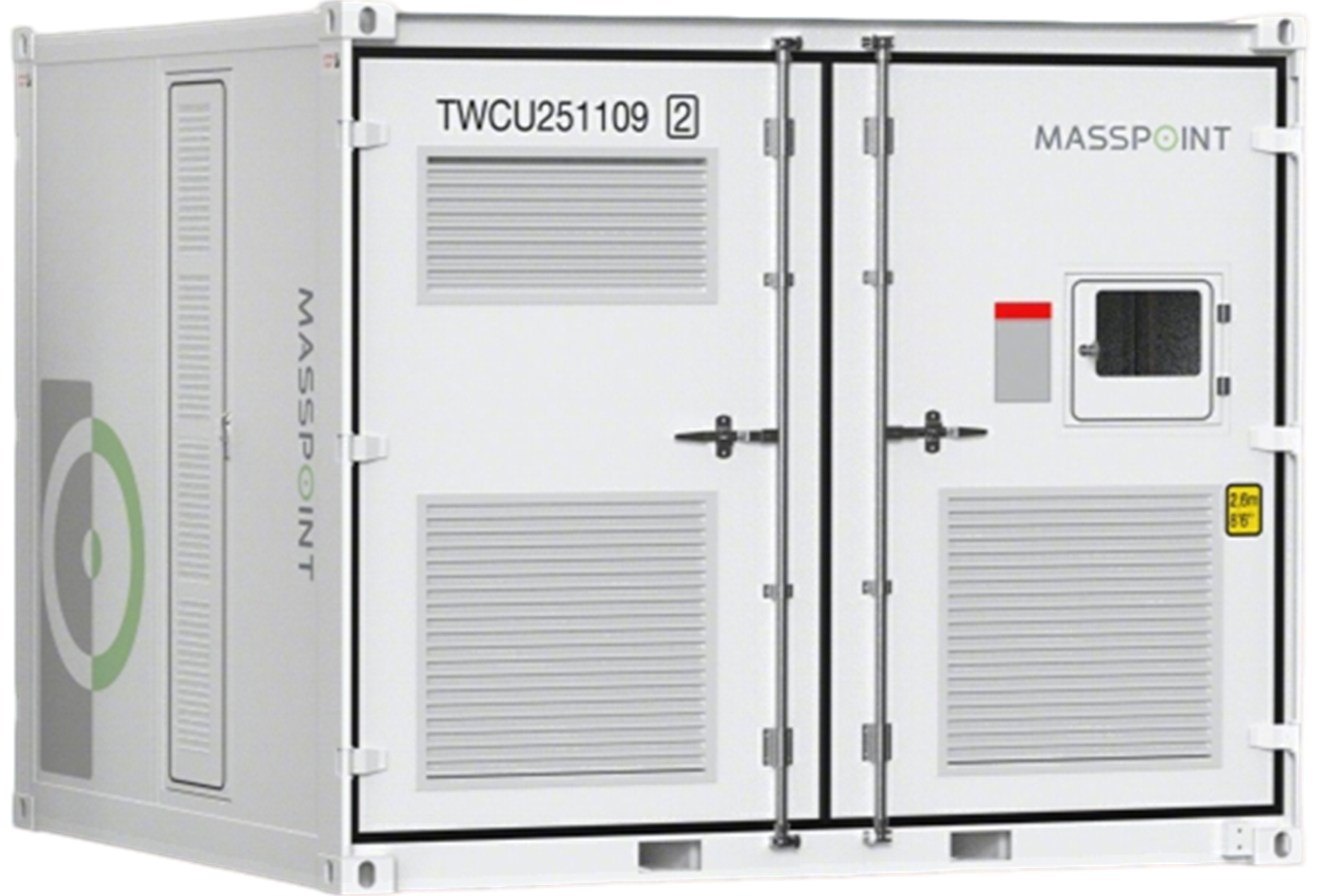 Industrial Hybrid BESS
 HEXA
HEXA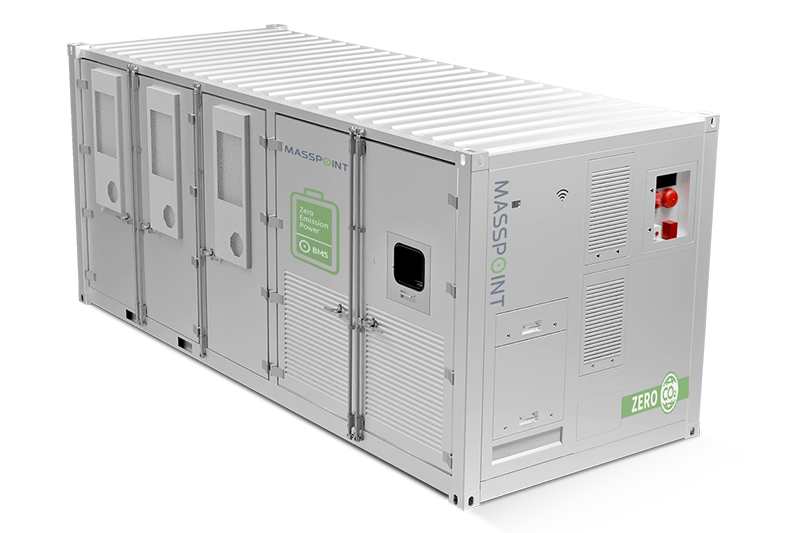 Micro-Grid BESS
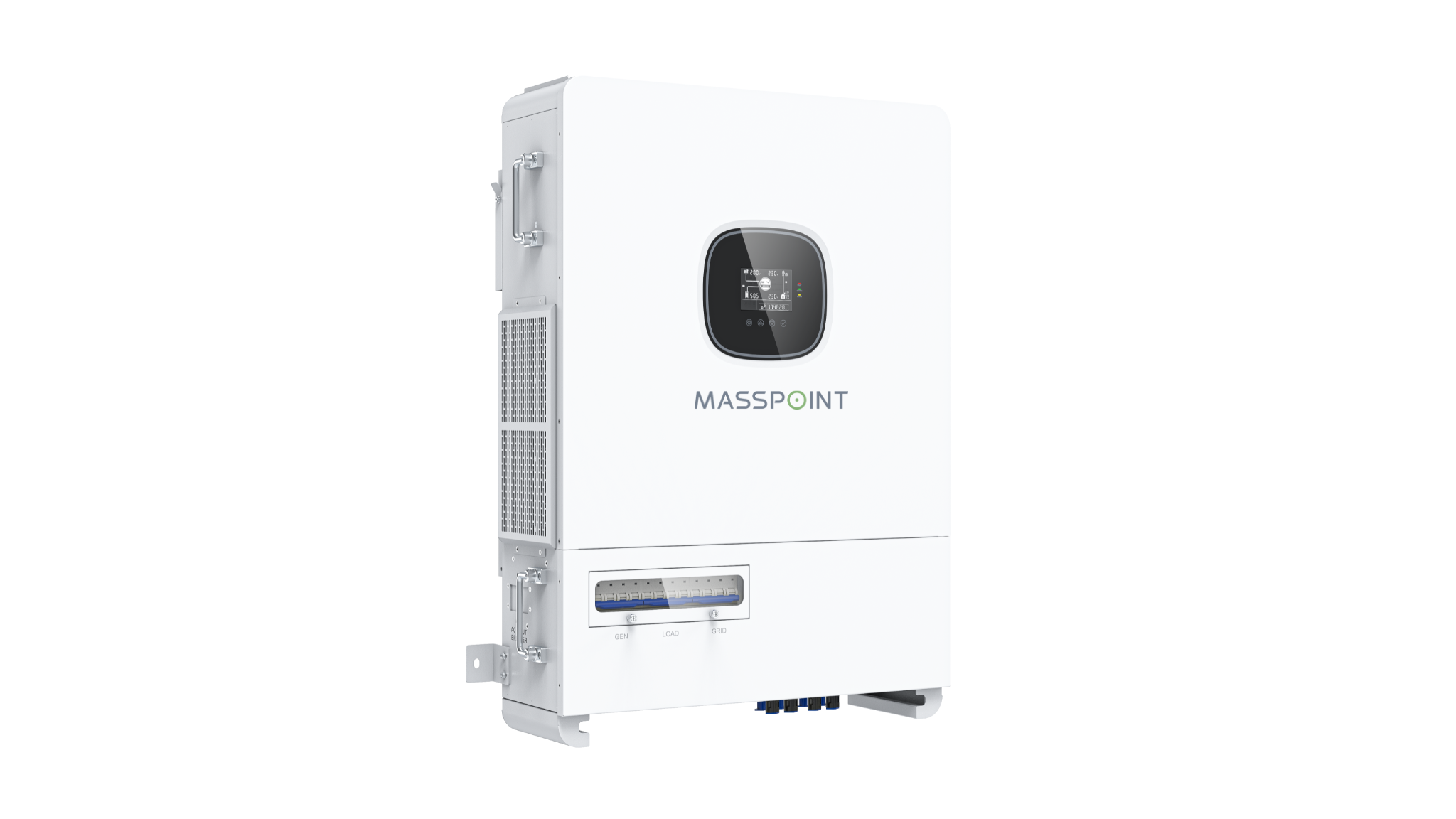 Solar Hybrid Inverter